

Hey there! As a supplier of 60 ml glass bottles, I've seen my fair share of leakage issues. It's a real headache, not just for us suppliers but also for our customers. Leakage can lead to product loss, damage to other items, and a whole lot of frustration. So, in this blog post, I'm gonna share some tips on how to prevent leakage from 60 ml glass bottles.

Understanding the Causes of Leakage
Before we dive into the prevention methods, it's important to understand what causes leakage in the first place. There are several factors that can contribute to this problem:
- Seal Integrity: The most common cause of leakage is a faulty seal. If the cap or closure doesn't fit properly or if the sealing material is damaged, liquid can easily escape.
- Pressure Changes: Changes in temperature and altitude can cause pressure differences inside the bottle. If the bottle isn't designed to handle these changes, it can lead to leakage.
- Bottle Damage: Cracks or chips in the glass can compromise the integrity of the bottle and allow liquid to leak out.
- Overfilling: Filling the bottle beyond its recommended capacity can put extra pressure on the seal and increase the risk of leakage.
Choosing the Right Bottle and Closure
One of the first steps in preventing leakage is to choose the right bottle and closure for your product. Here are some things to consider:
- Material: Glass is a great choice for many products because it's non-reactive and can provide an airtight seal. However, not all glass bottles are created equal. Look for bottles that are made from high-quality glass and have a smooth finish to ensure a good seal.
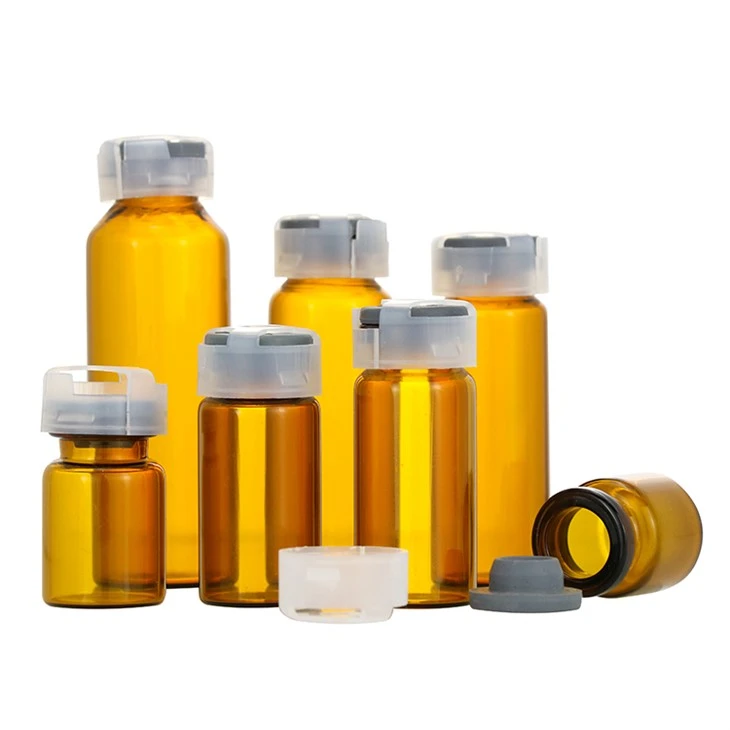
- Closure Type: There are several types of closures available, including screw caps, flip caps, and dropper caps. Each type has its own advantages and disadvantages, so choose the one that's best suited for your product. For example, Flip Cap Amber Bottles are a popular choice for products that need to be dispensed quickly and easily.
- Sealing Material: The sealing material used in the closure is also important. Look for closures that have a rubber or silicone gasket to create a tight seal. This will help prevent leakage and keep your product fresh.
Proper Filling and Handling
Once you've chosen the right bottle and closure, it's important to fill and handle the bottles properly to prevent leakage. Here are some tips:
- Follow the Recommended Fill Level: Make sure to fill the bottle to the recommended level. Overfilling can put extra pressure on the seal and increase the risk of leakage.
- Use a Filling Machine: If you're filling a large number of bottles, consider using a filling machine. This will help ensure that each bottle is filled to the correct level and reduce the risk of spillage.
- Handle with Care: Glass bottles are fragile, so it's important to handle them with care. Avoid dropping or banging the bottles, as this can cause damage and lead to leakage.
- Store in a Cool, Dry Place: Storing the bottles in a cool, dry place can help prevent temperature and humidity changes that can cause pressure differences inside the bottle. This will help keep the seal intact and prevent leakage.
Testing and Quality Control
Before you ship your products, it's important to test the bottles for leakage and perform quality control checks. Here are some things you can do:
- Perform a Leak Test: There are several methods you can use to test for leakage, including the bubble test and the vacuum test. The bubble test involves submerging the bottle in water and looking for bubbles, while the vacuum test involves creating a vacuum inside the bottle and checking for leaks.
- Inspect the Bottles: Before you fill the bottles, inspect them for cracks, chips, or other damage. If you find any damaged bottles, discard them to prevent leakage.
- Check the Closures: Make sure the closures are properly tightened and that the sealing material is intact. If you find any loose or damaged closures, replace them before filling the bottles.
Conclusion
Preventing leakage from 60 ml glass bottles is essential for ensuring the quality and integrity of your products. By choosing the right bottle and closure, filling and handling the bottles properly, and performing regular testing and quality control checks, you can minimize the risk of leakage and keep your customers happy.
If you're interested in purchasing 60 ml glass bottles for your products, I'd love to hear from you. We offer a wide range of Small Glass Bottle and Pharmacy Bottle Glass options to meet your needs. Contact us today to learn more about our products and services.
References
- "Preventing Leakage in Glass Bottles." Packaging Digest.
- "Best Practices for Filling and Sealing Glass Bottles." The Packaging School.
- "Testing for Leakage in Glass Bottles." Quality Assurance Magazine.