

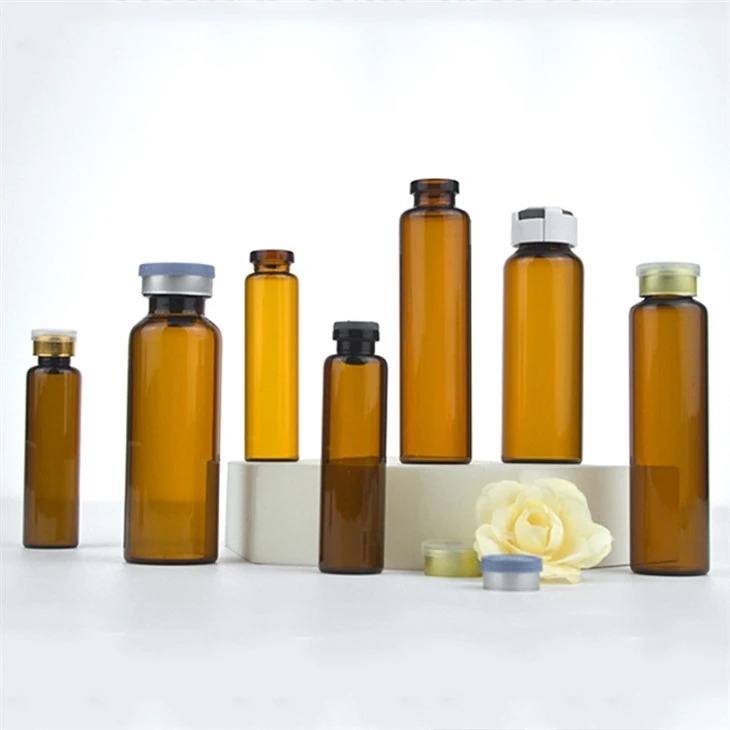
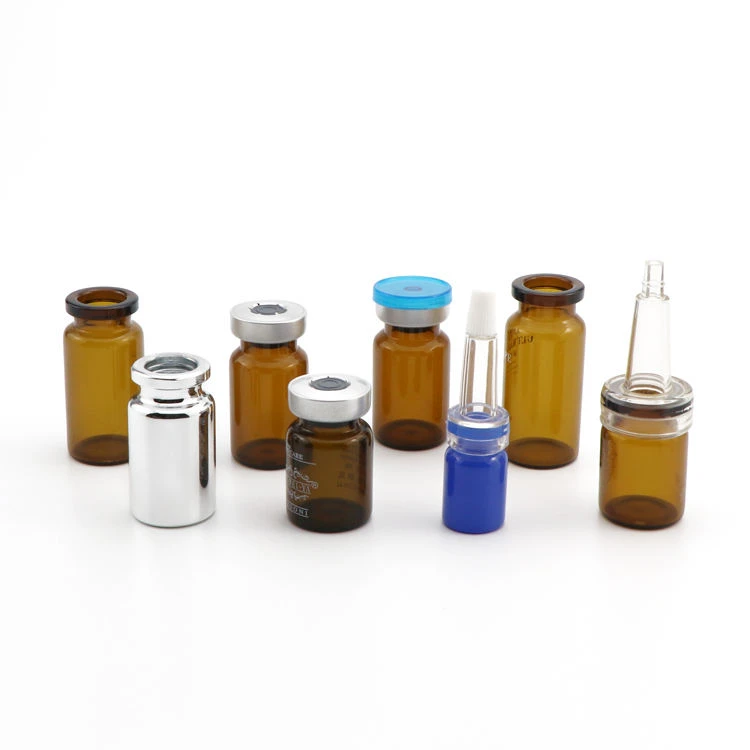
Hey there! I'm a supplier of 15ml glass bottles, and I've been thinking a lot about how we can make these little bottles more eco - friendly. In today's world, being green isn't just a trend; it's a necessity. So, let's dive into some ways we can turn our 15ml glass bottles into more sustainable products.
1. Choose the Right Type of Glass
First off, the type of glass we use matters big time. There are different kinds of glass out there, but some are more eco - friendly than others. Soda - lime glass is the most common type used for glass bottles. It's made from sand, soda ash, and limestone. The good news is that it's 100% recyclable. When we make our 15ml glass bottles from soda - lime glass, we're giving them a second (or third, or fourth) life after they've been used.
Recycling glass reduces the need for raw materials. Mining for sand, soda ash, and limestone can be pretty tough on the environment. It can cause soil erosion, habitat destruction, and water pollution. By using recycled glass, we cut down on these environmental impacts. Plus, recycling glass uses less energy compared to making new glass from scratch. It's a win - win situation!
2. Optimize the Manufacturing Process
The way we make our 15ml glass bottles also plays a huge role in their eco - friendliness. During the manufacturing process, there are a few things we can do to be more sustainable.
One of the main energy - consuming steps in glass production is melting the raw materials. We can use more energy - efficient furnaces. Newer furnace technologies can reduce energy consumption by up to 30%. That's a significant reduction in greenhouse gas emissions.
Another thing is to minimize waste during production. Sometimes, there are small defects in the bottles, and they end up being discarded. We can work on improving the quality control process to reduce these rejects. The rejected bottles can also be recycled back into the manufacturing process, so nothing goes to waste.
3. Design for Reusability
Designing our 15ml glass bottles with reusability in mind is super important. We can create bottles that are easy to clean and have a simple, classic design. This way, customers can find other uses for them after they've finished using the product inside.
For example, these bottles could be used to store homemade essential oil blends, small samples of lotions, or even as cute little vases for tiny flowers. If the bottles have a screw - top lid, it makes them even more versatile. Customers can easily open and close the bottle, and it also helps keep the contents fresh.
We can also provide some ideas on our website or on the product packaging about different ways to reuse the bottles. This encourages customers to think about the bottle's second life and reduces the chances of it ending up in the landfill.
4. Use Sustainable Packaging
The packaging around our 15ml glass bottles is another area where we can make a difference. Instead of using plastic bubble wrap or foam inserts, we can switch to more sustainable options like recycled cardboard dividers or biodegradable packing peanuts made from starch.
Recycled cardboard is a great choice because it's made from waste paper. It's renewable, biodegradable, and can be recycled again after use. Biodegradable packing peanuts break down naturally in the environment, unlike traditional plastic ones that can take hundreds of years to decompose.
We can also reduce the amount of packaging overall. If the bottle is well - designed and sturdy enough, we might not need as much protective packaging. This not only saves materials but also reduces the cost of shipping since lighter packages use less fuel.
5. Partner with Recycling Programs
As a supplier, we can take the initiative to partner with recycling programs. We can encourage our customers to recycle the bottles by providing information on local recycling facilities. We can also set up our own take - back program.
In a take - back program, customers can return the empty 15ml glass bottles to us. We can then send them to a recycling plant to be remade into new bottles. This creates a closed - loop system where the bottles keep getting reused, and it reduces the demand for new raw materials.
6. Collaborate with Eco - Conscious Brands
Teaming up with eco - conscious brands can also help make our 15ml glass bottles more eco - friendly. These brands are likely to be more interested in using sustainable packaging solutions. They might also have their own ideas and initiatives for reducing their environmental impact.
When we work with these brands, we can share our knowledge and experience in making eco - friendly glass bottles. In return, they can provide us with feedback on how we can further improve our products. This collaboration can lead to the development of even more sustainable packaging solutions in the long run.
Conclusion
Making our 15ml glass bottles more eco - friendly is a journey, but it's one that's worth taking. By choosing the right type of glass, optimizing the manufacturing process, designing for reusability, using sustainable packaging, partnering with recycling programs, and collaborating with eco - conscious brands, we can significantly reduce the environmental impact of our products.
If you're interested in our eco - friendly 15ml glass bottles or want to learn more about our other products like Medicine Bottle, 1 Ml Vials, or 2ml Glass Bottle, I'd love to hear from you. We can have a chat about your specific needs and how we can work together to make your product packaging more sustainable.
References
- American Glass Packaging. (n.d.). Benefits of Glass Packaging.
- European Container Glass Federation. (n.d.). Glass Recycling.
- World Wildlife Fund. (n.d.). Sustainable Manufacturing.