

Labeling a small glass bottle is a crucial step in product presentation and information dissemination. As a supplier of small glass bottles, I understand the importance of proper labeling. In this blog, I'll share some effective ways to label small glass bottles to help you make your products stand out on the market.
Understanding the Purpose of Labeling
Before we dive into the actual labeling process, it's essential to understand why we label small glass bottles. Labels serve multiple purposes. Firstly, they provide essential information about the product inside the bottle, such as ingredients, usage instructions, and expiration dates. Secondly, labels are a powerful marketing tool. They can attract customers' attention, communicate the brand's identity, and differentiate your product from competitors.
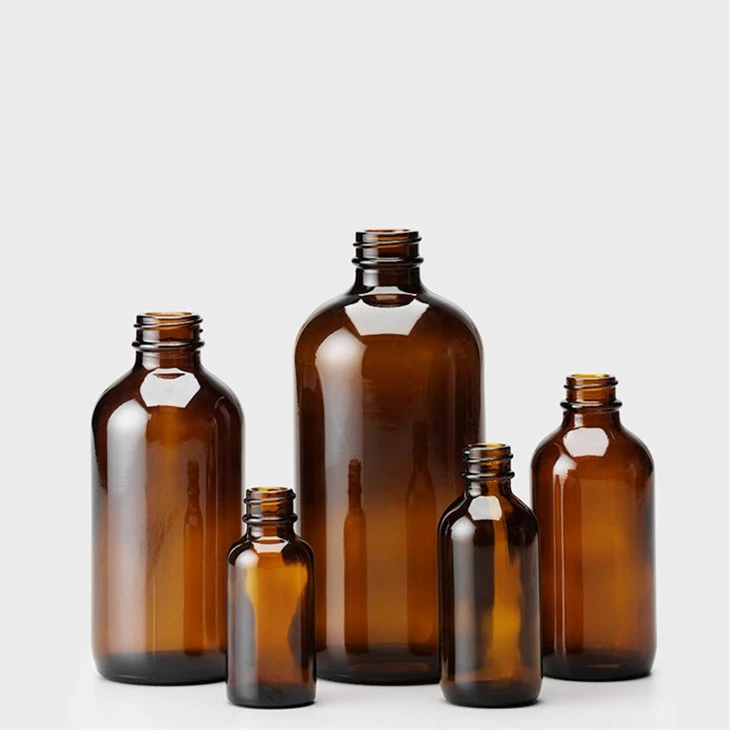
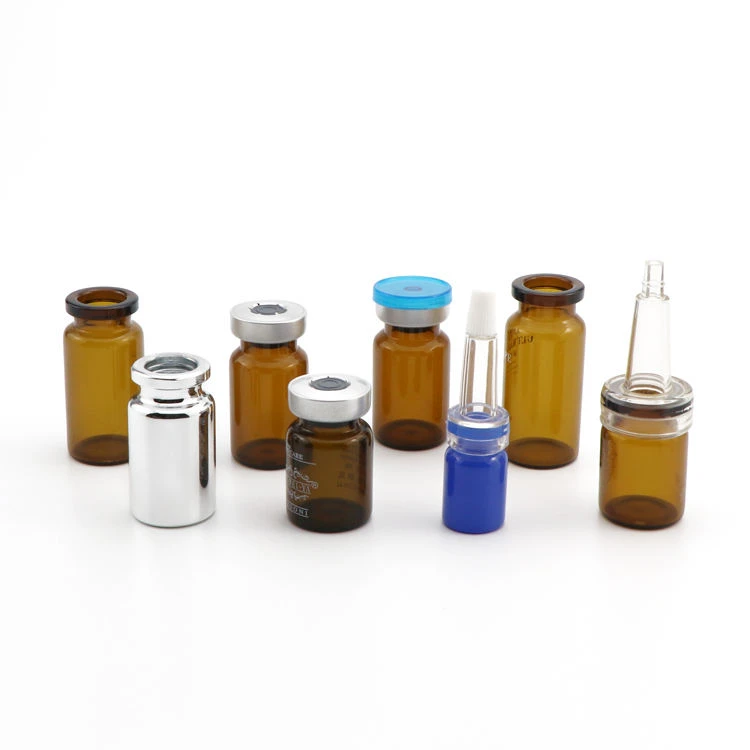
Types of Labels Suitable for Small Glass Bottles
There are several types of labels that work well for small glass bottles.
Paper Labels
Paper labels are a classic choice. They are cost - effective and can be easily customized with various printing techniques. You can print high - quality images, text, and graphics on paper labels. Matte paper labels give a sophisticated and elegant look, while glossy paper labels can make colors pop and catch the eye. However, paper labels may not be suitable for products that will be exposed to moisture, as they can get damaged.
Vinyl Labels
Vinyl labels are durable and waterproof. They are ideal for products that may come into contact with liquids or be stored in humid environments. Vinyl labels can also withstand temperature changes better than paper labels. They have a smooth surface that allows for sharp and clear printing, making them a great option for detailed designs.
Clear Film Labels
Clear film labels provide a sleek and modern look. They can be used to create the illusion that the label is part of the bottle itself. Clear film labels are especially useful when you want to showcase the product inside the bottle while still providing necessary information. They are often used for high - end products, such as essential oils and perfumes.
Designing an Effective Label
The design of your label is crucial for attracting customers and conveying the right message.
Keep it Simple
On a small glass bottle, there is limited space for your label. So, it's important to keep the design simple. Avoid overcrowding the label with too much text or too many graphics. Focus on the most important information, such as the product name, brand logo, and key selling points.
Choose the Right Colors
Colors play a significant role in label design. They can evoke emotions and create a connection with the customers. For example, green is often associated with nature and health, making it a good choice for organic products. Red can create a sense of urgency or excitement. Make sure the colors you choose are consistent with your brand identity and the product's positioning.
Use High - Quality Images
If you include images on your label, make sure they are high - quality. Blurry or pixelated images can make your product look unprofessional. You can use product photos, illustrations, or icons to enhance the visual appeal of the label.
Printing the Label
Once you have designed your label, it's time to print it.
In - House Printing
If you have a small - scale production, in - house printing may be a viable option. You can use a desktop printer to print your labels on pre - cut label sheets. However, in - house printing may not be suitable for large - scale production, as it can be time - consuming and may not offer the same level of quality as professional printing.
Professional Printing Services
For larger production runs or high - quality labels, it's recommended to use professional printing services. Professional printers have access to advanced printing technologies, such as offset printing and digital printing, which can produce sharp, vibrant, and long - lasting labels. They can also offer a wider range of label materials and finishes.
Applying the Label to the Small Glass Bottle
Applying the label correctly is as important as designing and printing it.
Clean the Bottle Surface
Before applying the label, make sure the surface of the glass bottle is clean and free of dust, grease, and fingerprints. You can use a mild detergent and a soft cloth to clean the bottle, and then dry it thoroughly.
Use the Right Tools
To ensure a smooth and bubble - free application, you can use tools such as a label applicator or a squeegee. A label applicator can help you position the label accurately on the bottle, while a squeegee can be used to smooth out the label and remove any air bubbles.
Apply the Label Slowly
When applying the label, start from one end and slowly press it onto the bottle, smoothing it out as you go. This will help prevent air bubbles from getting trapped under the label.
Case Studies
Let's take a look at some successful examples of small glass bottle labeling.
Essential Oil Bottles
Many essential oil brands use small glass bottles, such as 1 Ml Vials. Their labels are usually simple and elegant, with a focus on the oil's name, botanical name, and a brief description of its benefits. The use of clear film labels allows customers to see the color and clarity of the essential oil, which adds to the product's appeal.
Perfume Samples
Perfume samples often come in small glass bottles, like 10ml Glass Bottle. The labels on these bottles are designed to be eye - catching, with bold colors and the brand's logo prominently displayed. They also include information about the perfume's notes and a brief description of the scent.
Herbal Extracts
Herbal extracts are commonly stored in 20ml Amber Glass Bottle. The labels on these bottles typically provide detailed information about the ingredients, usage instructions, and health benefits. The use of amber glass helps protect the contents from light, and the label design often reflects the natural and healthy nature of the product.
Conclusion
Labeling a small glass bottle is a multi - step process that requires careful consideration of the label type, design, printing, and application. By following the tips and best practices outlined in this blog, you can create labels that not only provide essential information but also enhance the visual appeal of your products.
If you are in the market for high - quality small glass bottles and need advice on labeling, we are here to help. We have a wide range of small glass bottles to meet your specific needs. Contact us to start a procurement discussion and take your product to the next level.
References
- "Packaging Design: Principles and Practices" by Margaret C. Rose
- "The Handbook of Package Engineering" by John A. Nussbaum