

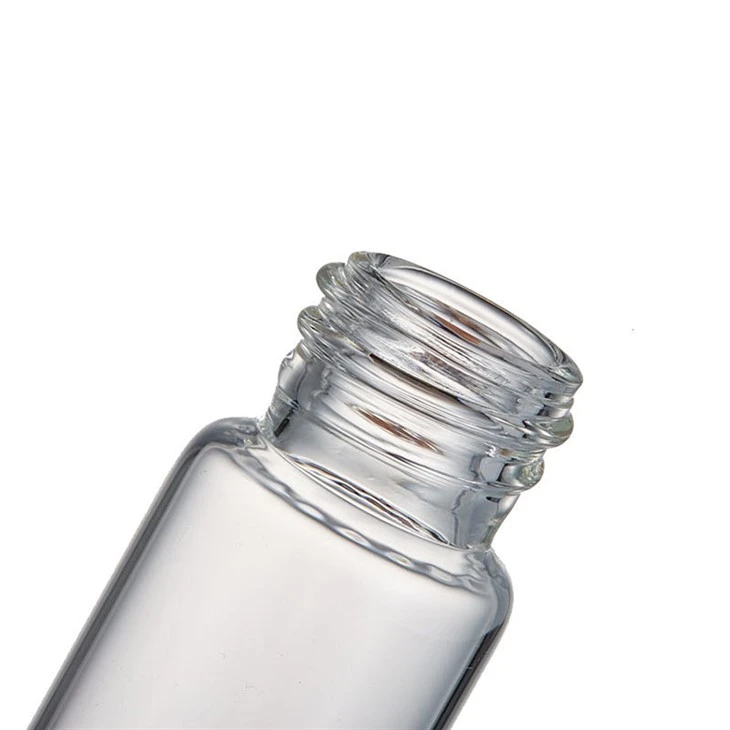
Cleaning glass vials with narrow necks can be a challenging yet crucial task, especially when you're a supplier like me. In the glass vial industry, ensuring the cleanliness of our products is not only about aesthetics but also about meeting the high - quality standards required by our customers. Whether it's for pharmaceutical, cosmetic, or other specialized uses, a clean vial is essential. Here, I'll share some effective methods and best practices for cleaning these delicate containers.
Understanding the Importance of Cleaning
Before diving into the cleaning methods, it's important to understand why cleaning narrow - necked glass vials is so vital. For pharmaceutical applications, any residue left in the vial can contaminate the medicine, potentially affecting its efficacy and safety. In the cosmetic industry, residues can alter the scent or texture of the product. Moreover, clean vials present a professional and trustworthy image to the end - users.
Pre - Cleaning Assessment
The first step in cleaning glass vials with narrow necks is to assess the type and degree of contamination. Different contaminants require different cleaning approaches. For example, if the vials have been used to store water - soluble substances, a simple water rinse might be sufficient as a first step. However, if they contain oil - based or sticky residues, more aggressive cleaning methods will be necessary.
Manual Cleaning Methods
Using a Bottle Brush
One of the most straightforward ways to clean narrow - necked glass vials is by using a bottle brush. You can find bottle brushes specifically designed for narrow necks in most hardware or laboratory supply stores. First, fill the vial with warm, soapy water. Then, gently insert the brush into the vial and scrub the interior walls. Pay special attention to the bottom and the areas near the neck. After scrubbing, rinse the vial thoroughly with clean water to remove all soap residues.
Pipette or Syringe Flushing
For vials with very small necks where a brush may not fit properly, pipette or syringe flushing can be a great option. Fill a pipette or syringe with a cleaning solution, such as a mild detergent solution or a specialized cleaning agent. Insert the tip of the pipette or syringe into the vial and slowly dispense the solution. Tilt and rotate the vial to ensure that the solution reaches all parts of the interior. Then, use the pipette or syringe to suck out the dirty solution. Repeat this process several times until the vial is clean.
Automated Cleaning Methods
Ultrasonic Cleaning
Ultrasonic cleaning is a highly effective method for cleaning glass vials with narrow necks. This process uses high - frequency sound waves to create tiny bubbles in a cleaning solution. When these bubbles collapse, they generate a powerful scrubbing action that can remove even the most stubborn contaminants. To use an ultrasonic cleaner, place the vials in a basket and submerge them in the cleaning solution. Set the appropriate cleaning time and frequency according to the level of contamination. After the cleaning cycle is complete, remove the vials and rinse them thoroughly with clean water.
Spray Cleaning Machines
Spray cleaning machines are another option for large - scale cleaning. These machines use high - pressure sprays of cleaning solution to remove contaminants from the vials. The vials are placed on a conveyor belt that moves them through the spray chamber. The spray nozzles are designed to direct the cleaning solution into the narrow necks of the vials. This method is fast and efficient, making it suitable for industrial production.
Choosing the Right Cleaning Solution
The choice of cleaning solution depends on the type of contamination. For general cleaning, a mild dish soap or a laboratory - grade detergent can be used. These are effective in removing dirt, dust, and water - soluble residues. If the vials have been used to store organic compounds or oils, a solvent - based cleaning solution may be required. However, it's important to use solvents with caution as they can be flammable and toxic. Always follow the safety instructions provided by the manufacturer.
Rinsing and Drying
After cleaning, thorough rinsing is essential to remove all traces of the cleaning solution. Use clean, distilled water for the final rinse to prevent the deposition of minerals or other impurities. Once rinsed, the vials need to be dried properly. You can air - dry the vials by placing them upside down on a clean rack in a dust - free environment. For faster drying, you can use a low - temperature oven or a hot air dryer. Make sure the drying temperature is within the safe range for the glass to avoid thermal stress and cracking.
Quality Control
After cleaning and drying, it's important to conduct quality control checks to ensure that the vials are clean. Visual inspection is the first step. Look for any visible residues, streaks, or discoloration on the interior and exterior of the vials. You can also use a microscope or a UV light to detect any microscopic contaminants. If possible, perform chemical analysis to confirm that the vials meet the required cleanliness standards.
Our Product Range
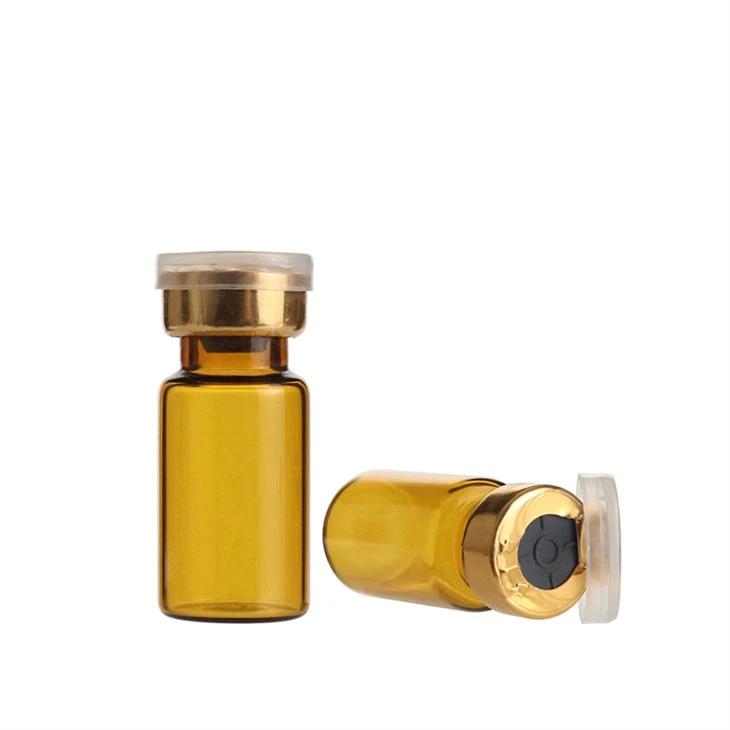
As a glass vial supplier, we offer a wide range of products, including Amber Glass Bottle, Amber Medicine Glass Bottle, and Penicillin Bottle. All our products are made from high - quality glass and are designed to meet the strictest industry standards. We understand the importance of cleanliness, and we ensure that every vial we supply is thoroughly cleaned and inspected before it leaves our facility.
Contact Us for Procurement
If you're in the market for high - quality glass vials, we'd love to hear from you. Whether you need a small quantity for a research project or a large order for industrial production, we can provide you with the right products at competitive prices. Feel free to reach out to us to discuss your specific requirements and start a procurement negotiation.
References
- ASTM International. (20XX). Standard practices for cleaning laboratory glassware.
- Pharmaceutical Engineering Association. (20XX). Guidelines for cleaning pharmaceutical glass containers.
- Cosmetic Manufacturers Association. (20XX). Best practices for cleaning cosmetic packaging.