

Cleaning a glass bottle thoroughly is not only essential for maintaining its aesthetic appeal but also crucial for ensuring its functionality, especially when it comes to applications in the medical, cosmetic, and food industries. As a glass bottle supplier, I understand the importance of providing our customers with clear guidance on how to clean these delicate containers properly. In this blog post, I'll share a comprehensive guide on how to clean a glass bottle thoroughly, covering everything from basic cleaning steps to advanced techniques for stubborn stains.
Pre - cleaning Preparation
Before you start the cleaning process, it's important to gather all the necessary supplies. You'll need warm water, mild dish soap, a soft - bristled brush or sponge, a bottle brush (especially useful for narrow - necked bottles like Medical Vial with Lid), a microfiber cloth, and optionally, some white vinegar or baking soda for tougher stains.
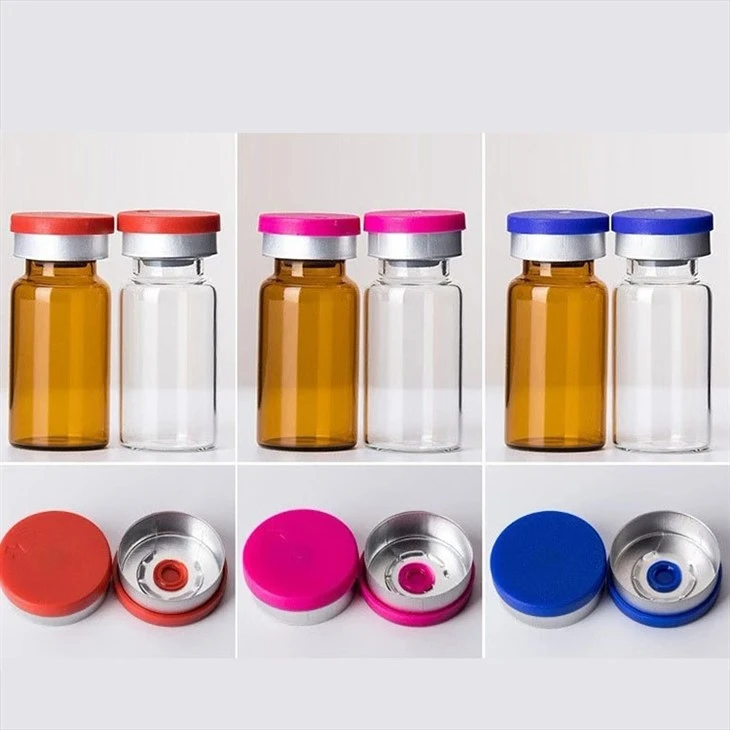
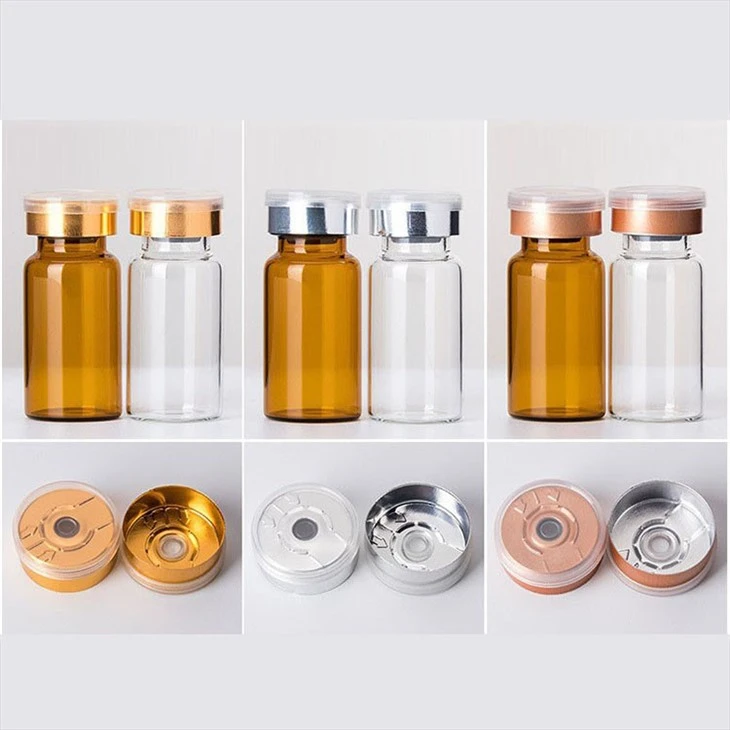
Inspect the bottle carefully for any loose labels, caps, or other attachments. Remove these items before cleaning. If there are labels on the bottle, soak it in warm water for a few minutes to loosen the adhesive. Then, gently peel off the label. If some residue remains, you can use a small amount of rubbing alcohol or an adhesive remover to clean it off.
Basic Cleaning Steps
- Rinse the Bottle: Start by rinsing the glass bottle with warm water to remove any loose debris or liquid inside. Hold the bottle under running water and let it flow through for a few seconds. This initial rinse helps to prevent the dirt from spreading during the subsequent cleaning steps.
- Prepare the Cleaning Solution: Fill a sink or a large container with warm water and add a few drops of mild dish soap. Stir the water gently to create a soapy solution. Avoid using harsh chemicals or abrasive cleaners as they can damage the glass surface.
- Soak the Bottle: Place the glass bottle in the soapy water and let it soak for at least 10 - 15 minutes. This soaking process helps to loosen any stubborn dirt, grease, or residue that may be stuck to the inside or outside of the bottle.
- Scrub the Bottle: After soaking, take a soft - bristled brush or sponge and dip it into the soapy water. Gently scrub the inside and outside of the bottle, paying special attention to the areas around the neck, the bottom, and any corners or crevices. For narrow - necked bottles, use a bottle brush to reach the hard - to - reach areas. If you're cleaning a 1ml Glass Bottle, be extra careful as these small bottles can be more fragile.
- Rinse Again: Once you've finished scrubbing, rinse the bottle thoroughly under running water to remove all the soap residue. Make sure there is no soapy film left on the glass surface. You can check by holding the bottle up to the light; if there are streaks or a hazy appearance, continue rinsing.
- Dry the Bottle: Use a clean microfiber cloth to dry the glass bottle. Wipe the inside and outside of the bottle gently to remove any remaining water droplets. You can also let the bottle air - dry by placing it upside down on a clean towel or drying rack. This helps to ensure that any excess water drains out completely.
Cleaning for Specific Purposes
Medical and Laboratory Use
When cleaning glass bottles for medical or laboratory applications, such as A Vial, a higher level of cleanliness is required. After the basic cleaning steps, you may need to perform additional sterilization.
- Autoclaving: Autoclaving is a common method for sterilizing glass bottles in medical and laboratory settings. Place the clean, dry bottle in an autoclave and follow the manufacturer's instructions for the appropriate temperature and time settings. Usually, a temperature of around 121°C (250°F) for 15 - 20 minutes is sufficient for sterilization.
- Chemical Sterilization: If autoclaving is not an option, you can use chemical sterilants such as hydrogen peroxide or ethanol. Immerse the bottle in the sterilant solution for the recommended time, then rinse it thoroughly with sterile water.
Cosmetic and Food Use
For glass bottles used in the cosmetic or food industry, it's important to ensure that there are no odors or contaminants.
- Vinegar Rinse: After the basic cleaning, you can give the bottle a final rinse with a solution of equal parts white vinegar and water. This helps to remove any remaining odors and provides an extra layer of cleaning. Let the vinegar solution sit in the bottle for a few minutes, then rinse it out thoroughly with water.
- Baking Soda Treatment: For stubborn stains or odors, make a paste of baking soda and water. Apply the paste to the stained areas and let it sit for a while. Then, scrub the area gently with a brush and rinse the bottle.
Dealing with Stubborn Stains
If you encounter stubborn stains that don't come off with the basic cleaning methods, here are some additional tips:
- Lemon Juice: Lemon juice is a natural acid that can help to break down stains. Squeeze some fresh lemon juice into the bottle and let it sit for a few hours or overnight. Then, scrub the bottle as usual and rinse it clean.
- Toothpaste: Non - gel toothpaste can be used as a mild abrasive to remove stains. Apply a small amount of toothpaste to a soft cloth or brush and gently rub the stained area. Rinse the bottle thoroughly after use.
Final Checks
After cleaning and drying the glass bottle, perform a final inspection. Check for any remaining stains, dirt, or water spots. Hold the bottle up to the light to ensure that it is completely clean and transparent. If there are any issues, you may need to repeat the cleaning process.
Conclusion
Cleaning a glass bottle thoroughly is a multi - step process that requires patience and attention to detail. By following the steps outlined in this guide, you can ensure that your glass bottles are clean, hygienic, and ready for use. Whether you're using them for medical, cosmetic, or food applications, proper cleaning is essential for maintaining the quality and integrity of the glass bottles.
As a glass bottle supplier, we are committed to providing high - quality products and valuable information to our customers. If you have any questions about glass bottle cleaning or if you're interested in purchasing our glass bottles, please feel free to contact us for procurement and further discussions. We look forward to serving you and meeting your glass bottle needs.
References
- "Glassware Cleaning and Sterilization in the Laboratory", Journal of Laboratory Techniques
- "Best Practices for Cleaning Glass Containers in the Food Industry", Food Processing Magazine
- "Cosmetic Packaging: Cleaning and Maintenance of Glass Bottles", Cosmetics Journal