

When it comes to administering medicine to children, choosing the right medicine bottle is crucial. As a medicine bottle supplier, I understand the importance of providing safe, reliable, and child - friendly packaging solutions. In this blog, I will share some key factors to consider when selecting a medicine bottle for a child's medicine.
Safety First
Safety is the primary concern when choosing a medicine bottle for children. One of the most important features is a child - resistant cap. Child - resistant caps are designed to be difficult for young children to open, reducing the risk of accidental ingestion. These caps often require a combination of pushing and turning motions that are beyond the dexterity of most young children.
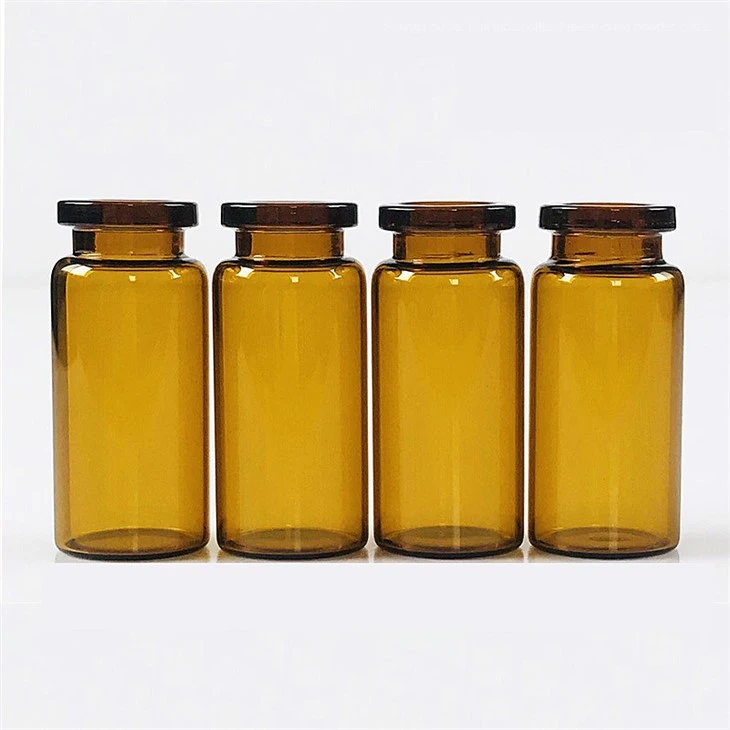
Another safety aspect is the material of the bottle. Glass is a popular choice for medicine bottles because it is non - reactive and does not leach harmful chemicals into the medicine. For example, our 10ml Glass Bottle is made of high - quality glass that ensures the integrity of the medicine. It is also less likely to break easily compared to some plastic bottles, especially when dropped from a small height. However, if glass is used, it should be properly cushioned or packaged to prevent breakage during shipping and handling.
Size and Capacity
The size and capacity of the medicine bottle should be appropriate for the amount of medicine the child needs to take. For infants or young children who may require only small doses of medicine, a smaller bottle, such as a 10ml Glass Bottle, would be suitable. These small bottles are easy to handle and can accurately dispense small amounts of liquid medicine.
On the other hand, if the child needs to take a larger volume of medicine over a longer period, a larger bottle like the 60 Ml Glass Bottles would be more appropriate. It is important to choose a bottle with a capacity that can hold the entire course of treatment to avoid the need for frequent refilling, which can increase the risk of contamination.
Visibility and Readability
Clear visibility of the medicine is essential. Parents or caregivers need to be able to see the medicine clearly to ensure that the correct dosage is being administered. Transparent or semi - transparent bottles are ideal as they allow for easy inspection of the medicine's color, consistency, and level.
In addition to visibility, the label on the bottle should be easy to read. The label should include important information such as the name of the medicine, dosage instructions, expiration date, and any special warnings. A large, legible font and high - contrast colors can make the label more readable, especially for parents who may be in a hurry or dealing with a fussy child.
Ease of Use
The medicine bottle should be easy to use for both the caregiver and the child. It should have a smooth opening and closing mechanism. For example, a screw - top cap that is easy to twist on and off, but still provides a tight seal to prevent leakage.
Some bottles may come with built - in measuring devices, such as droppers or syringes, which can make it easier to measure and administer the correct dosage. These measuring devices should be accurate and easy to clean.
Compatibility with Medicine
Different types of medicine may have different requirements for packaging. For example, some medicines may be sensitive to light. In such cases, a Blue Glass Bottle can be a good choice. Blue glass can help protect the medicine from harmful UV rays, which can degrade the medicine and reduce its effectiveness.
The bottle material should also be compatible with the chemical properties of the medicine. Some medicines may react with certain plastics, so it is important to choose a bottle material that is chemically inert and will not affect the quality of the medicine.
Design and Aesthetics
While safety and functionality are the top priorities, the design and aesthetics of the medicine bottle can also play a role. A well - designed bottle can make the experience of giving medicine to a child a little more pleasant. For example, a bottle with a cute shape or a friendly color can be less intimidating for children.
However, it is important to ensure that any decorative elements do not compromise the safety or functionality of the bottle. The design should still prioritize ease of use and protection of the medicine.
Cost - Effectiveness
Cost is also an important factor to consider, especially for healthcare providers or parents who need to purchase medicine bottles in bulk. While it is important not to compromise on safety and quality, it is also possible to find cost - effective solutions. As a medicine bottle supplier, we offer a range of products at competitive prices, ensuring that you can get high - quality medicine bottles without breaking the bank.
Environmental Considerations
In today's world, environmental considerations are becoming increasingly important. Glass bottles are generally more environmentally friendly than plastic bottles because they are recyclable. When choosing a medicine bottle, consider the environmental impact of the packaging. If possible, choose bottles that are made from recycled materials or are easily recyclable at the end of their life cycle.
Regulatory Compliance
Medicine bottles must comply with relevant regulations and standards. These regulations ensure that the bottles are safe for use with medicine and that they meet certain quality and performance criteria. As a supplier, we ensure that all our medicine bottles meet the necessary regulatory requirements, giving you peace of mind when using our products.

In conclusion, choosing the right medicine bottle for a child's medicine involves considering multiple factors, including safety, size, visibility, ease of use, compatibility with medicine, design, cost - effectiveness, environmental impact, and regulatory compliance. As a medicine bottle supplier, we are committed to providing high - quality, child - friendly medicine bottles that meet all these requirements.
If you are interested in purchasing medicine bottles for your child's medicine or for your healthcare facility, please feel free to contact us for more information and to discuss your specific needs. We are here to help you make the best choice for your medicine packaging requirements.
References
- "Pediatric Drug Packaging: Safety and Design Considerations" - Journal of Pediatric Pharmacy Practice
- "Guidelines for Medicine Packaging" - World Health Organization