

Hey there! As a supplier of rubber stoppers, I've been getting a lot of questions lately about how the thickness of a rubber stopper affects its performance. So, I thought I'd take a deep dive into this topic and share my insights with you.
The Basics of Rubber Stoppers
First off, let's talk a bit about rubber stoppers. They're used in a whole bunch of industries, from pharmaceuticals to laboratories. In the pharmaceutical world, for example, they're super important for sealing vials that hold medicines. Check out our Pharmaceutical Rubber Stopper page to see the kind of high - quality stuff we offer.
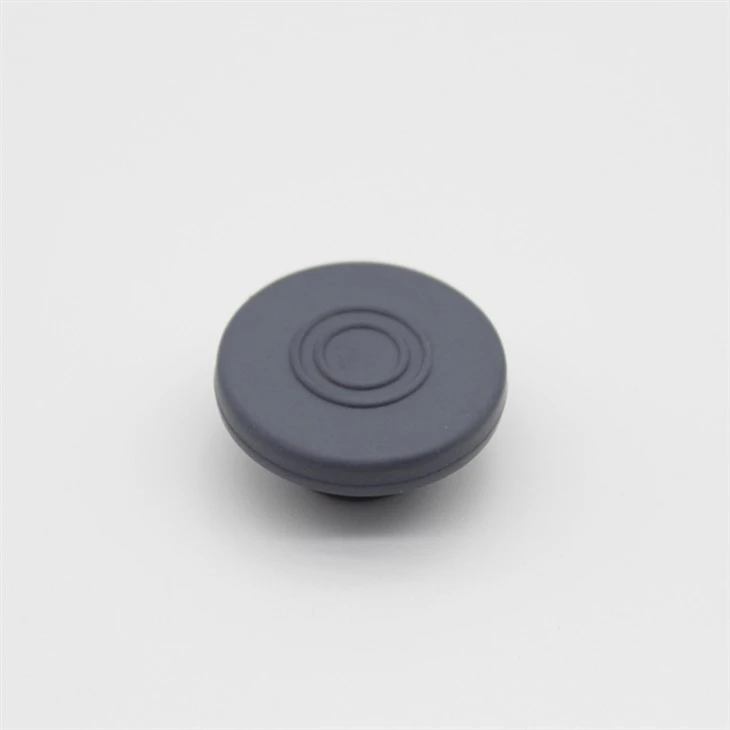
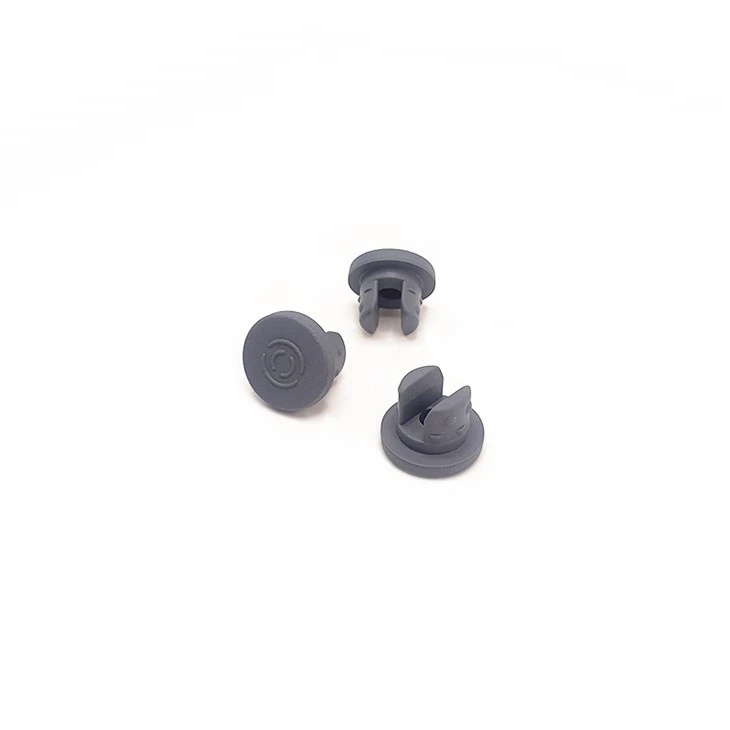
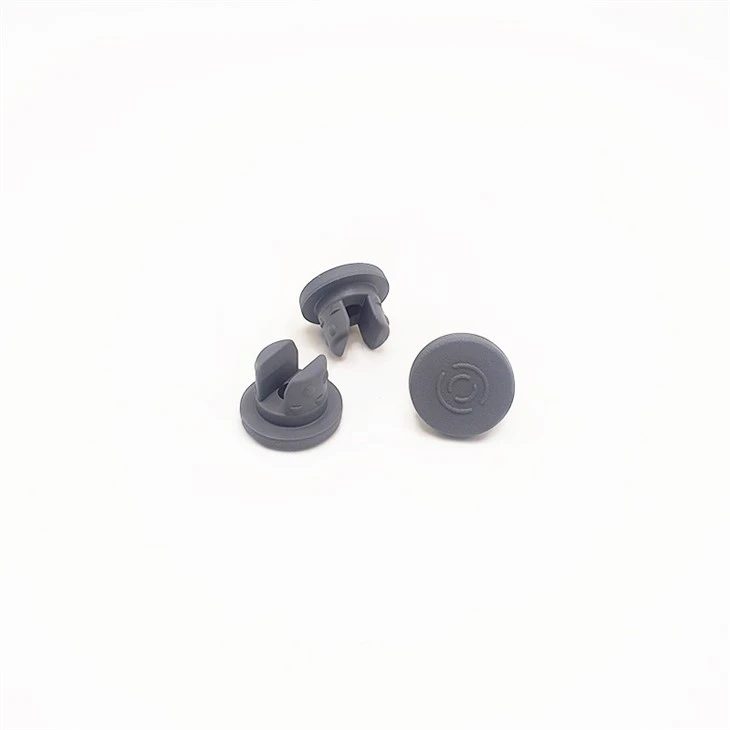
Rubber stoppers come in different sizes and thicknesses. One of the common sizes is the Rubber Stopper 20mm, which is widely used in various applications, especially in the injection field, like our 20mm Rubber Stopper for Injection.
How Thickness Affects Sealing Performance
The most obvious way thickness impacts a rubber stopper is its sealing ability. A thicker rubber stopper generally provides a better seal. When you think about it, more rubber means more material to fill the gaps between the stopper and the container.
Let's say you've got a vial with a liquid medicine. A thin rubber stopper might not be able to fully conform to the irregularities of the vial's opening. This can lead to tiny gaps, which could allow air or moisture to get in. Over time, this can affect the quality of the medicine.
On the other hand, a thicker rubber stopper has more give. It can mold itself better to the shape of the container, creating a tight and secure seal. This is crucial in the pharmaceutical industry, where maintaining the sterility and stability of the medicine is of utmost importance.
Impact on Durability
Thickness also plays a big role in the durability of a rubber stopper. A thicker stopper is generally more resistant to wear and tear. In a laboratory setting, for example, stoppers are often inserted and removed multiple times. A thin stopper might start to crack or break after a few uses.
A thicker rubber stopper can withstand more pressure during insertion and removal. It's less likely to get damaged, which means it can be used for a longer time. This is not only cost - effective but also more convenient, as you don't have to keep replacing the stoppers.
Compression and Expansion
When a rubber stopper is inserted into a container, it gets compressed. The thickness of the stopper affects how it compresses and expands. A thinner stopper will compress more easily, but it might not have enough material to expand back to its original shape properly after the pressure is removed.
A thicker stopper, however, has more mass to resist excessive compression. It can expand back to a more consistent shape, which helps in maintaining the seal over multiple uses. This is particularly important in applications where the stopper is removed and re - inserted frequently.
Chemical Resistance
The thickness of a rubber stopper can also influence its chemical resistance. A thicker stopper provides more material for the chemical to interact with. In some cases, this can be an advantage. If a chemical is trying to penetrate the rubber, a thicker stopper gives it more of a barrier to overcome.
However, it's important to note that the type of rubber also plays a huge role in chemical resistance. Different rubbers have different levels of resistance to various chemicals. But all else being equal, a thicker rubber stopper can offer better protection against chemical damage.
Cost Considerations
Of course, when it comes to choosing the right thickness of a rubber stopper, cost is a factor. Thicker rubber stoppers generally cost more. This is because they use more raw material.
But you have to weigh the cost against the benefits. If you're in an industry where a high - quality seal and durability are essential, like the pharmaceutical industry, the extra cost of a thicker stopper might be well worth it. On the other hand, if you're in a less demanding application, a thinner stopper might be a more budget - friendly option.
Choosing the Right Thickness
So, how do you choose the right thickness for your rubber stopper? It really depends on your specific application. If you're using the stopper for a long - term storage of a sensitive substance, a thicker stopper is probably the way to go.
If you're doing short - term experiments in a laboratory where the stopper won't be under a lot of stress, a thinner stopper might be sufficient. You also need to consider the size of the container and the type of rubber.
As a supplier, we can help you make the right choice. We have a wide range of rubber stoppers with different thicknesses, and our team of experts can give you advice based on your needs.
Wrapping Up
In conclusion, the thickness of a rubber stopper has a significant impact on its performance. It affects sealing, durability, compression and expansion, chemical resistance, and cost. Whether you need a Pharmaceutical Rubber Stopper, a Rubber Stopper 20mm, or a 20mm Rubber Stopper for Injection, choosing the right thickness is crucial.

If you're interested in purchasing rubber stoppers or need more information, don't hesitate to get in touch with us. We're here to help you find the perfect solution for your needs.
References
- ASTM International. "Standard Test Methods for Rubber Properties in Compression." ASTM D395 - 03(2013).
- ISO 3601 - 1:2012. "Fluid power systems and components — O - rings — Part 1: Inside diameters, cross - sectional dimensions, tolerances and size identification code."