

When it comes to handling penicillin, ensuring the integrity of its storage container is of utmost importance. As a trusted Penicillin Bottle supplier, we understand the critical role that proper packaging plays in preventing leakage and maintaining the efficacy of this vital medication. In this blog, we will delve into the various methods and considerations for preventing leakage from a penicillin bottle, drawing on our expertise and experience in the industry.
Understanding the Risks of Leakage
Penicillin is a powerful antibiotic that is highly sensitive to environmental factors. Leakage from its storage bottle can lead to a range of issues, including contamination, degradation of the medication, and potential safety hazards. Contamination can occur when the penicillin comes into contact with external substances, such as air, moisture, or microorganisms, which can compromise its effectiveness and pose a risk to patients. Degradation of the medication can occur due to exposure to light, heat, or oxygen, which can cause the penicillin to break down and lose its potency. In addition, leakage can also pose a safety hazard to healthcare workers and others who handle the penicillin, as it can come into contact with their skin, eyes, or respiratory system.
Choosing the Right Penicillin Bottle
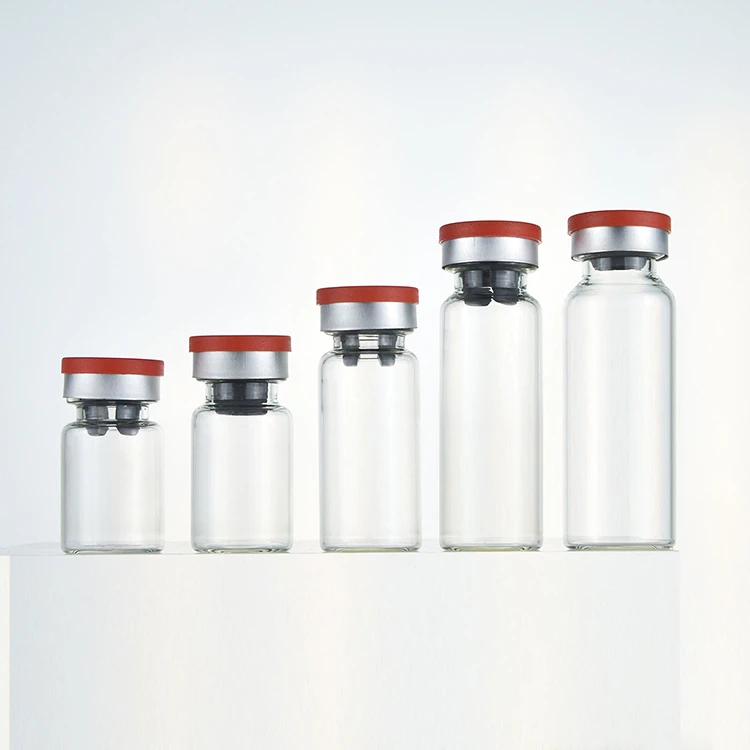
One of the first steps in preventing leakage from a penicillin bottle is to choose the right container. At our company, we offer a wide range of Medical Vial with Lid that are specifically designed for the storage and transportation of penicillin and other medications. These vials are made from high-quality glass or plastic materials that are resistant to breakage, corrosion, and chemical reactions. They also feature tight-fitting lids or caps that provide a secure seal, preventing the leakage of the medication.
Glass Bottles
Glass bottles are a popular choice for the storage of penicillin due to their excellent chemical resistance and transparency. They are also inert, which means they do not react with the medication, ensuring its stability and integrity. Our Blue Glass Bottle are made from high-quality borosilicate glass, which is known for its superior strength and thermal resistance. They are available in a variety of sizes and shapes to meet the specific needs of our customers.
Plastic Bottles
Plastic bottles are another option for the storage of penicillin. They are lightweight, durable, and shatterproof, making them ideal for transportation and handling. Our plastic bottles are made from high-quality polypropylene or polyethylene materials that are resistant to chemicals and moisture. They also feature a tamper-evident seal to ensure the safety and integrity of the medication.
Flip Cap Amber Bottles
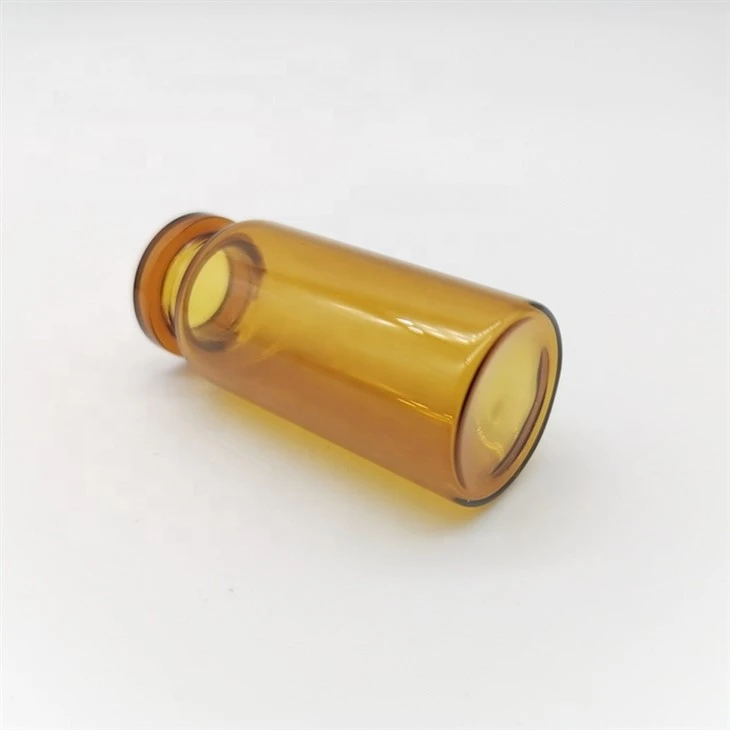
For added convenience, we also offer Flip Cap Amber Bottles that are specifically designed for the storage of liquid medications. These bottles feature a flip-top cap that allows for easy access to the medication, while the amber color of the glass provides protection against light and UV rays.
Proper Sealing Techniques
In addition to choosing the right penicillin bottle, it is also important to use proper sealing techniques to prevent leakage. At our company, we use a variety of sealing methods, including crimping, screwing, and heat sealing, depending on the type of bottle and the specific requirements of our customers.
Crimping
Crimping is a common method of sealing penicillin bottles. It involves using a crimping tool to apply a metal cap or seal to the top of the bottle, creating a tight and secure seal. This method is often used for glass bottles and provides a high level of protection against leakage.
Screwing
Screwing is another method of sealing penicillin bottles. It involves using a screw cap or lid to secure the bottle, creating a tight and secure seal. This method is often used for plastic bottles and provides a convenient and easy way to access the medication.
Heat Sealing
Heat sealing is a method of sealing penicillin bottles that involves using heat to melt a plastic film or foil onto the top of the bottle, creating a tight and secure seal. This method is often used for plastic bottles and provides a high level of protection against leakage and contamination.
Storage and Handling
Proper storage and handling of penicillin bottles are also essential for preventing leakage. At our company, we recommend storing penicillin bottles in a cool, dry place away from direct sunlight and heat sources. We also recommend avoiding excessive shaking or agitation of the bottles, as this can cause the medication to become dislodged or damaged, increasing the risk of leakage.
Shipping and Transportation
When shipping or transporting penicillin bottles, it is important to take extra precautions to prevent leakage. At our company, we use high-quality packaging materials, such as padded envelopes, bubble wrap, and foam inserts, to protect the bottles from damage during transit. We also label the packages clearly with the appropriate hazard warnings and handling instructions to ensure the safe and proper handling of the medication.
Quality Control and Testing
At our company, we are committed to providing our customers with the highest quality penicillin bottles that are free from leakage and other defects. To ensure the quality and integrity of our products, we have implemented a rigorous quality control and testing program. This program includes regular inspections of our manufacturing facilities, raw materials, and finished products, as well as comprehensive testing of the bottles for leakage, strength, and chemical resistance.
Contact Us for a Discussion
If you are looking for a reliable supplier of penicillin bottles that can help you prevent leakage and ensure the safety and integrity of your medication, look no further. Our team of experts is dedicated to providing you with the highest quality products and services at competitive prices. Contact us today to learn more about our Medical Vial with Lid, Blue Glass Bottle, Flip Cap Amber Bottles and to discuss your specific needs and requirements.
References
- American Society for Testing and Materials (ASTM). (2023). Standard Practice for Sampling and Inspection of Pharmaceutical Glass Containers. ASTM International.
- International Organization for Standardization (ISO). (2023). Packaging - Termination of the Life Cycle of Packaging and Packaging Components - Guidelines. ISO 18601:2023.
- United States Pharmacopeia (USP). (2023). General Chapter <660> Glass Containers for Pharmaceutical Use. USP 46 - NF 41.