

Hey there! As a rubber stopper supplier, I often get asked by customers how to tell if a rubber stopper is of good quality. It's a crucial question, especially when you're using these stoppers in industries like pharmaceuticals or laboratories. In this blog, I'll share some key factors that can help you determine the quality of a rubber stopper.
Material Matters
The first thing to look at is the material of the rubber stopper. One of the most popular materials in the industry is butyl rubber. Butyl Rubber Stopper is known for its excellent chemical resistance, low gas permeability, and good sealing properties. It can withstand a wide range of temperatures and is less likely to react with the substances it comes into contact with.
For example, in the pharmaceutical industry, where the safety and stability of drugs are of utmost importance, butyl rubber stoppers are often the go-to choice. They can prevent the ingress of oxygen, moisture, and other contaminants, which helps to maintain the quality and efficacy of the drugs.
On the other hand, if the rubber stopper is made from a low - quality material, it may degrade over time, release harmful substances, or fail to provide an adequate seal. This can lead to product spoilage, contamination, and even safety issues.
Physical Properties
Size and Shape
A good quality rubber stopper should have precise dimensions. It needs to fit snugly into the container it's intended for. Whether it's a Stoppers for Injection Vials or a stopper for a laboratory flask, the size and shape are critical.
If the stopper is too small, it won't create a proper seal, allowing air and contaminants to enter. If it's too large, it may be difficult to insert or could cause damage to the container. You can use calipers or other measuring tools to check the dimensions of the stopper and compare them with the specifications provided by the supplier.
Hardness
The hardness of a rubber stopper is another important physical property. It's usually measured on the Shore hardness scale. A stopper that is too soft may not provide enough resistance and could deform easily, while a stopper that is too hard may not be able to conform to the shape of the container properly.
The ideal hardness depends on the application. For example, in some applications where a tight seal is required, a slightly harder stopper may be preferred. In other cases, where the stopper needs to be inserted and removed multiple times, a softer stopper may be more suitable.
Surface Finish
The surface finish of the rubber stopper also matters. A smooth surface is less likely to trap particles or contaminants. It can also make it easier to insert and remove the stopper without causing damage to the container or the stopper itself.
Inspect the surface of the stopper for any cracks, pits, or other defects. These can not only affect the appearance but also the functionality of the stopper.
Chemical Compatibility
As I mentioned earlier, chemical resistance is a key factor, especially in industries like pharmaceuticals and chemicals. A Pharmacutical Rubber Stopper needs to be compatible with the drugs or chemicals it will be in contact with.
If the rubber stopper is not chemically compatible, it may react with the substances, causing changes in the properties of the drugs or chemicals. This can lead to issues such as discoloration, precipitation, or loss of efficacy.
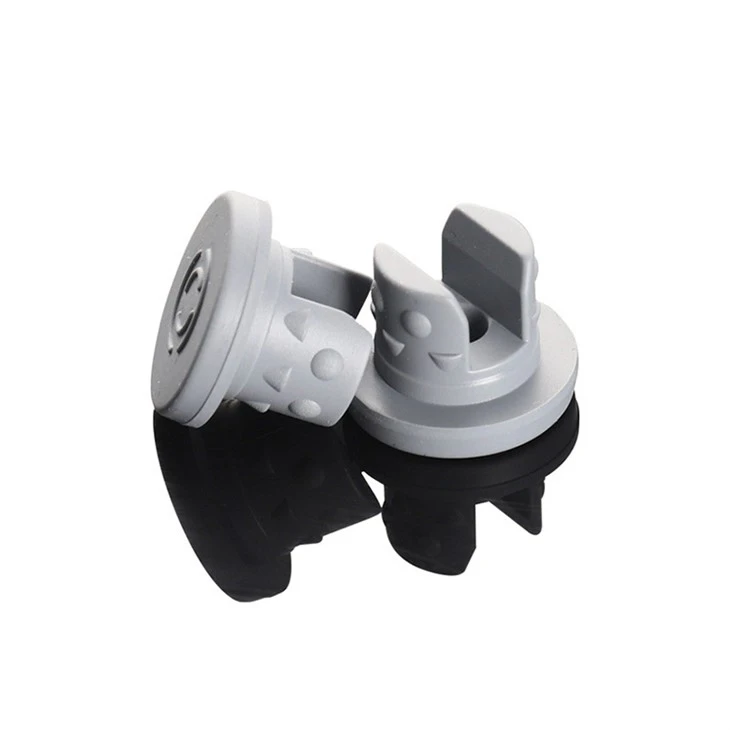
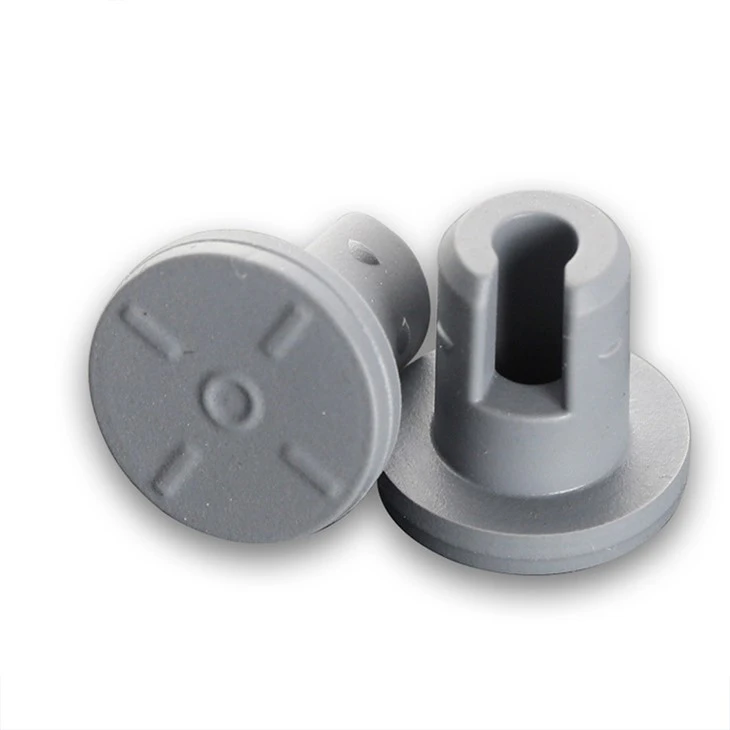
Before using a rubber stopper, it's a good idea to conduct compatibility tests. You can do this by exposing a small sample of the stopper to the substance for a certain period and observing any changes.
Manufacturing Process
The manufacturing process of the rubber stopper can also have a significant impact on its quality. A well - controlled manufacturing process ensures consistency in the properties of the stoppers.
For example, the vulcanization process, which is used to cross - link the rubber molecules, needs to be carefully controlled. If the vulcanization is not done correctly, the rubber may not have the desired physical and chemical properties.
Reputable suppliers usually have strict quality control measures in place during the manufacturing process. They will test the stoppers at various stages of production to ensure that they meet the required standards.
Regulatory Compliance
In many industries, especially pharmaceuticals, rubber stoppers need to comply with certain regulations. For example, in the United States, the Food and Drug Administration (FDA) has specific requirements for rubber stoppers used in drug packaging.
Compliance with these regulations ensures that the rubber stoppers are safe and suitable for their intended use. When choosing a rubber stopper supplier, make sure they can provide documentation to prove that their products meet the relevant regulatory standards.
Testing and Certification
A reliable rubber stopper supplier should be able to provide test reports and certifications for their products. These documents can give you confidence in the quality of the stoppers.
Some common tests include physical property tests (such as hardness, tensile strength, and elongation), chemical analysis (to check for the presence of impurities), and compatibility tests. Certifications from recognized organizations can also be a good indication of the quality of the product.
Supplier Reputation
Finally, the reputation of the supplier is an important factor. A supplier with a good track record is more likely to provide high - quality products and excellent customer service.
You can check online reviews, ask for references from other customers, or look for industry awards or recognition. A supplier who is transparent about their manufacturing process, quality control measures, and testing procedures is also a good sign.
In conclusion, determining the quality of a rubber stopper involves considering multiple factors, including the material, physical properties, chemical compatibility, manufacturing process, regulatory compliance, testing, and the reputation of the supplier. By paying attention to these aspects, you can ensure that you're getting a high - quality rubber stopper that meets your specific needs.
If you're in the market for rubber stoppers and want to discuss your requirements further, feel free to reach out. We're here to help you find the best solution for your application. Whether you need Butyl Rubber Stopper, Stoppers for Injection Vials, or Pharmacutical Rubber Stopper, we've got you covered. Let's start a conversation and see how we can work together!
References
- ASTM International. (2023). Standards related to rubber materials and products.
- FDA. (2023). Regulations on rubber stoppers for pharmaceutical packaging.
- ISO. (2023). International standards for rubber products.