

As a seasoned supplier of Aluminum Plastic Caps, I've witnessed firsthand the critical role these components play in various industries, from pharmaceuticals to food and beverage. The sealing performance of aluminum plastic caps is not just a technical detail; it's a fundamental aspect that ensures product integrity, safety, and longevity. In this blog, I'll share some insights and strategies on how to enhance the sealing performance of these caps.
Understanding the Basics of Sealing Performance
Before delving into the improvement methods, it's essential to understand what sealing performance entails. The primary function of an aluminum plastic cap is to create a tight seal that prevents the ingress of air, moisture, and contaminants while keeping the product inside intact. A good seal also helps in maintaining the product's flavor, aroma, and quality over time.
Several factors can affect the sealing performance of aluminum plastic caps, including the material quality, design, manufacturing process, and application method. By addressing these factors, we can significantly improve the overall sealing effectiveness.
Material Selection
The choice of materials is crucial in determining the sealing performance of aluminum plastic caps. High - quality aluminum and plastic materials with appropriate properties are essential.
Aluminum
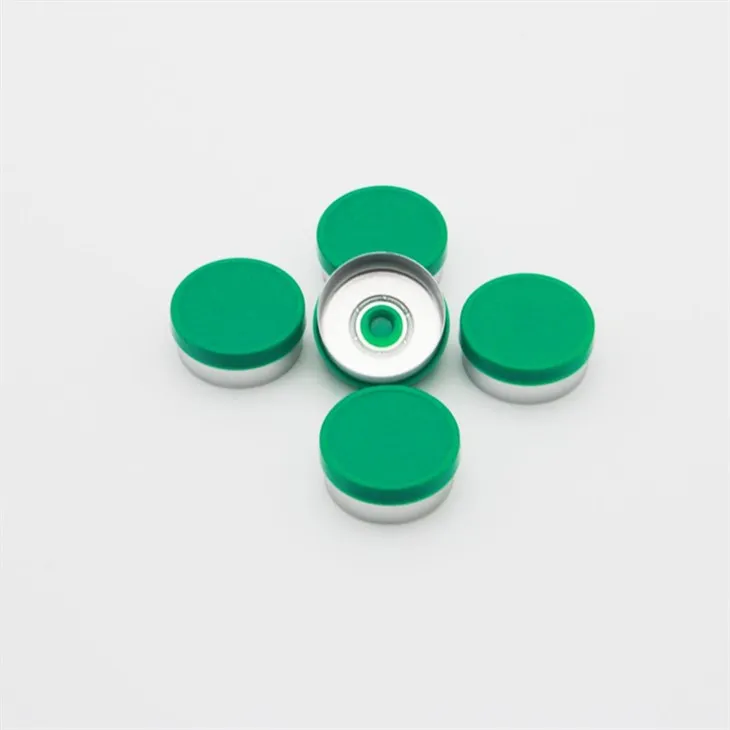
Aluminum is known for its excellent corrosion resistance, light weight, and good formability. When selecting aluminum for caps, consider its thickness, alloy composition, and surface finish. Thicker aluminum can provide more structural integrity, while the right alloy can enhance its strength and resistance to deformation. A smooth surface finish is also important as it can ensure better contact with the bottle neck, reducing the risk of leaks.
Plastic
The plastic component in aluminum plastic caps often serves as a sealing liner. It should have good elasticity, chemical resistance, and adhesion properties. For example, polyethylene (PE) and polypropylene (PP) are commonly used plastics for liners due to their flexibility and resistance to a wide range of chemicals. Silicone is another option, especially for applications that require high - temperature resistance or a more air - tight seal.
Design Optimization
The design of the aluminum plastic cap plays a significant role in its sealing performance. Here are some design aspects to consider:
Thread Design
The threads on the cap and the bottle neck must be well - matched. A proper thread pitch and profile can ensure a snug fit when the cap is tightened. The thread should be deep enough to provide sufficient engagement but not so deep that it causes excessive stress on the bottle neck or the cap itself. Additionally, the threads should be smooth and free of any defects to prevent leaks.
Liner Design
The shape and thickness of the plastic liner are critical. A well - designed liner should conform to the shape of the bottle neck and create a uniform seal around it. For example, a liner with a raised center or a specific contour can provide better contact pressure and improve the sealing effectiveness. The thickness of the liner also affects its elasticity and ability to fill any gaps between the cap and the bottle.
Cap Shape
The overall shape of the cap can influence its sealing performance. A cap with a proper diameter and height can ensure that it fits securely on the bottle neck. Some caps are designed with a tamper - evident band, which not only provides a visual indication of product integrity but also helps in maintaining the seal by adding an extra layer of protection.
Manufacturing Process Control
A precise manufacturing process is essential for producing aluminum plastic caps with high sealing performance.
Forming
During the forming process, the aluminum and plastic components are shaped into the desired cap design. This process requires strict control of parameters such as temperature, pressure, and speed. For example, if the temperature is too high during the forming of the plastic liner, it can cause the material to lose its elasticity, affecting the sealing performance.
Assembly
The assembly of the aluminum and plastic parts must be done accurately. The liner should be properly positioned and adhered to the cap to ensure a consistent seal. Any misalignment or improper bonding can lead to leaks. Automated assembly lines can provide better precision and consistency compared to manual assembly.
Quality Control
Implementing a comprehensive quality control system is crucial. This includes inspecting the caps for defects such as cracks, scratches, or improper liner placement. Dimensional checks should also be performed to ensure that the caps meet the required specifications. Leak testing is an important part of quality control, and various methods such as pressure testing or vacuum testing can be used to detect any potential leaks.
Application and Usage
Proper application and usage of the aluminum plastic caps are also important for maintaining their sealing performance.

Tightening Torque
When applying the cap to the bottle, the tightening torque must be within the recommended range. Over - tightening can cause the cap or the bottle neck to deform, while under - tightening can result in a loose seal. Using torque - controlled equipment can ensure consistent and proper tightening.
Storage and Handling
The caps should be stored in a clean, dry environment to prevent damage or contamination. During handling, care should be taken to avoid dropping or mishandling the caps, as this can cause dents or scratches that may affect the sealing performance.
Industry - Specific Considerations
Different industries have different requirements for the sealing performance of aluminum plastic caps.
Pharmaceutical Industry
In the pharmaceutical industry, the sealing performance of caps is of utmost importance to ensure the safety and efficacy of drugs. Caps must provide a hermetic seal to prevent the ingress of moisture, oxygen, and microorganisms. For this reason, medical glass bottles often use Medical Glass Bottles Safety Cap. Specialized liners and cap designs may be required to meet the strict regulatory standards.
Food and Beverage Industry
For food and beverage products, the cap must maintain the product's freshness and flavor. It should also prevent the growth of bacteria and mold. Caps used in this industry often need to be easy to open and close, while still providing a reliable seal. Aluminium Caps for Glass Bottles are commonly used in this sector due to their aesthetic appeal and good sealing properties.
Cosmetics Industry
In the cosmetics industry, the cap should not only provide a good seal but also have an attractive appearance. The sealing performance is important to prevent the evaporation of volatile ingredients and the contamination of the product. Aluminum Plastic Trim Cap can be a great choice for cosmetics packaging as it combines functionality with style.
Conclusion
Improving the sealing performance of aluminum plastic caps requires a comprehensive approach that involves material selection, design optimization, manufacturing process control, and proper application. By paying attention to these aspects, we can ensure that our caps meet the high - quality standards required by various industries.
If you're in the market for high - quality aluminum plastic caps with excellent sealing performance, we'd love to have a conversation with you. Whether you're in the pharmaceutical, food and beverage, or cosmetics industry, our team of experts can work with you to find the perfect cap solution for your products. Reach out to us for a consultation and let's start a partnership that ensures the integrity and quality of your products.
References
- ASTM International. (20XX). Standards related to aluminum and plastic materials for packaging.
- Packaging Machinery Manufacturers Institute. (20XX). Guidelines for cap application and sealing.
- Pharmaceutical Research and Manufacturers of America. (20XX). Regulations on packaging for pharmaceutical products.