

Hey there! As a supplier of medical vials, I get asked all the time about how to choose the right medical vial for a particular drug. It's a crucial decision, and I'm here to break it down for you in a simple and straightforward way.
First off, let's talk about the importance of getting the vial right. The vial isn't just a container; it's a key part of keeping the drug stable and effective. A wrong choice can lead to all sorts of problems, like the drug losing its potency or reacting with the vial material. So, it's super important to pick the right one.
Compatibility with the Drug
The first thing you gotta consider is the compatibility between the drug and the vial material. Different drugs have different chemical properties, and you need a vial that won't react with them.
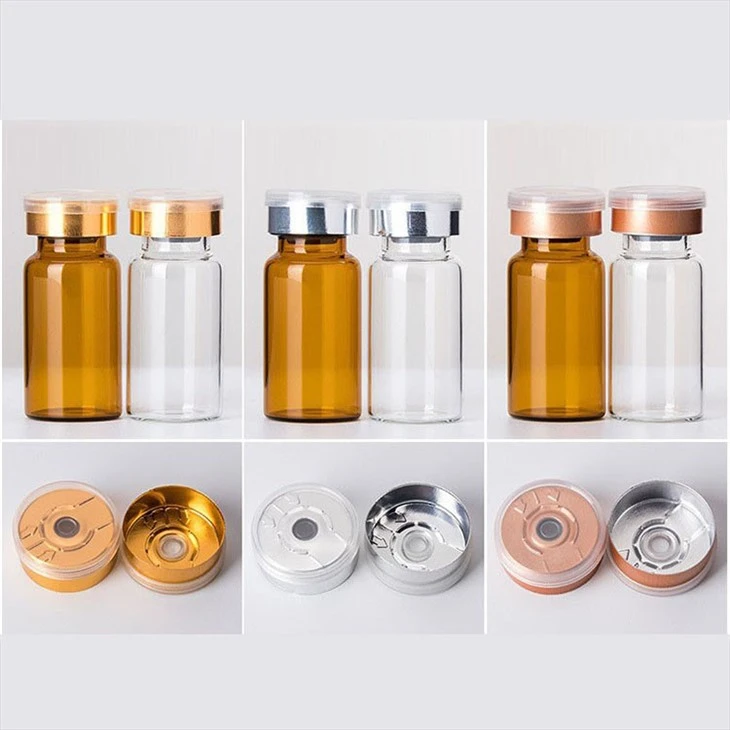
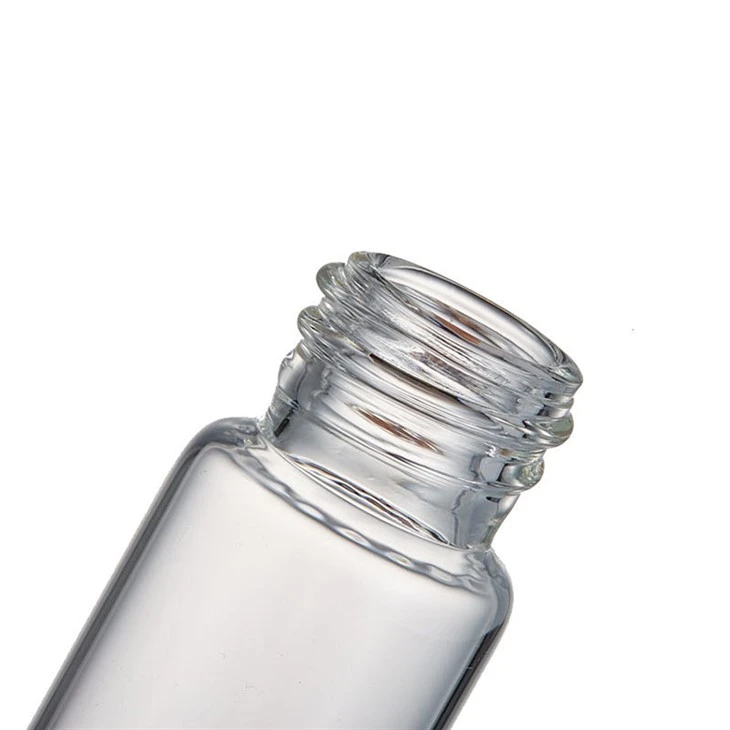
For example, if you're dealing with a drug that's acidic or alkaline, you'll want a vial made of a material that can resist corrosion. Glass is a popular choice in many cases because it's chemically inert. It doesn't react easily with most drugs, which helps to maintain the drug's quality over time. Check out our Freeze-dried Powder Bottle, which is made of high - quality glass and is great for many types of drugs.
On the other hand, if you're working with a drug that's sensitive to light, you'll need a vial that can protect it. Amber glass vials are often used for this purpose. They block out a significant amount of light, especially the UV rays that can break down some drugs.
Size and Capacity
Another important factor is the size and capacity of the vial. You need to choose a vial that can hold the right amount of the drug. If the vial is too small, you won't be able to fit all the drug, and if it's too large, there will be extra space inside, which can lead to issues like oxidation or contamination.
Let's say you have a small - dose drug. A 1ml Glass Bottle might be a perfect fit. It's compact and can accurately hold a small amount of the drug. But if you're dealing with a larger - dose drug, you'll need a vial with a bigger capacity. You don't want to have to split the drug into multiple vials if you don't have to, as it can increase the risk of contamination.
Closure System
The closure system of the vial is also a big deal. It needs to provide a tight seal to prevent the drug from leaking out and to keep contaminants from getting in.
There are different types of closure systems available. For example, rubber stoppers are commonly used. They can create a good seal and are easy to pierce with a needle for drug withdrawal. Some vials also come with screw - caps, which can be very secure. The Penicillin Bottle often uses a rubber stopper and an aluminum seal, which is a tried - and - true combination for keeping drugs safe.
Sterility
Sterility is non - negotiable when it comes to medical vials. The vial has to be sterile to ensure the safety of the drug.
Most medical vials are sterilized during the manufacturing process. But you also need to make sure that the vial remains sterile during storage and transportation. This might involve using proper packaging and handling procedures. For example, vials are often packed in sealed containers to protect them from dust and other contaminants.
Regulatory Requirements
Don't forget about the regulatory requirements. Different drugs and medical products are subject to various regulations, and the vials used for them need to meet these standards.
Regulatory bodies set rules about things like the material of the vial, its cleanliness, and the labeling. You need to make sure that the vial you choose complies with all the relevant regulations. This helps to ensure that your product can be legally sold and used in the market.
Cost - Effectiveness
Of course, cost is always a factor. You want to get a vial that meets all your requirements but also fits within your budget.
Sometimes, you might be able to find a good balance between quality and cost. For example, while high - end glass vials might be more expensive, they can offer better protection for your drug, which can save you money in the long run by reducing the risk of product loss due to degradation.
Ease of Use
Finally, think about how easy the vial is to use. This includes things like how easy it is to fill the vial with the drug, how easy it is to withdraw the drug from the vial, and how easy it is to handle and transport.
For example, a vial with a wide opening might be easier to fill, but it might also be more prone to contamination. You need to find a vial that offers a good balance between ease of use and safety.
In conclusion, choosing the right medical vial for a particular drug is a multi - faceted decision. You need to consider factors like compatibility, size, closure system, sterility, regulatory requirements, cost - effectiveness, and ease of use. As a medical vial supplier, I'm here to help you make the best choice for your specific needs. If you're interested in learning more or discussing your requirements, feel free to reach out for a procurement discussion. I'm confident that we can find the perfect vial for your drug.
References
- "Handbook of Pharmaceutical Glass Packaging"
- "Regulatory Affairs in the Pharmaceutical Industry"
- "Drug Stability and Packaging"