

As a seasoned supplier of aluminum plastic caps, I've witnessed firsthand the diverse environments in which these caps operate. One particular area of interest is how aluminum plastic caps perform in cold environments. In this blog, I'll delve into the science behind their performance, explore real - world applications, and discuss the implications for industries that rely on these caps.
Understanding the Composition of Aluminum Plastic Caps
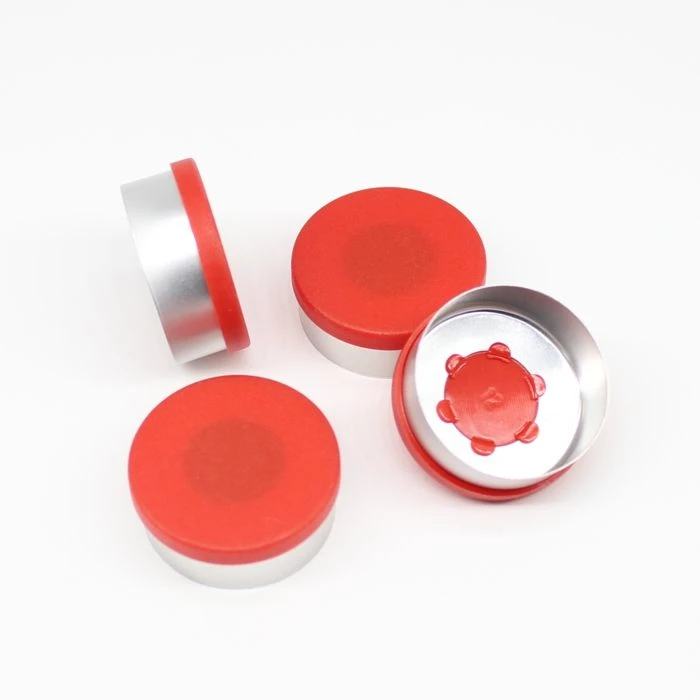
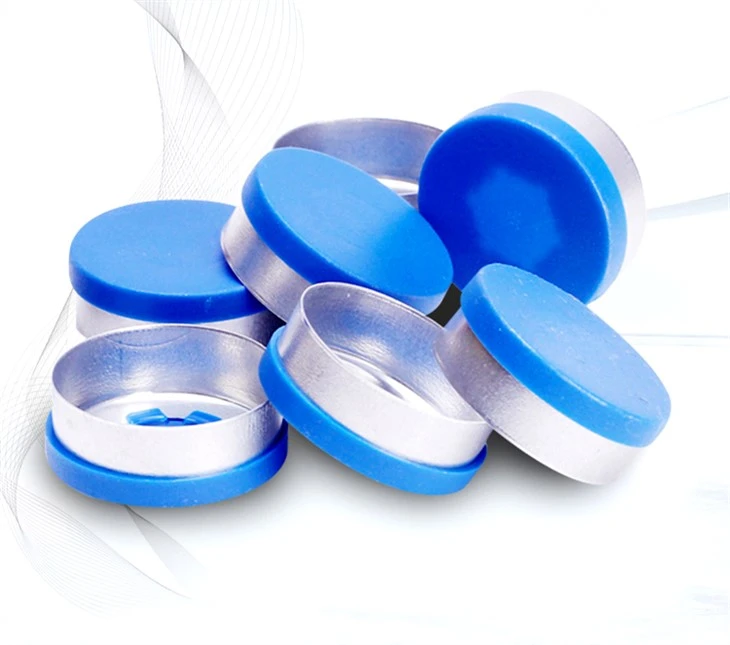
Aluminum plastic caps are typically composed of two main materials: aluminum and plastic. The aluminum layer provides strength, durability, and a barrier against oxygen and moisture. It also offers excellent resistance to corrosion, which is crucial for long - term storage of products. The plastic component, on the other hand, can be customized to provide specific sealing properties, such as flexibility and a tight fit.
The combination of these two materials gives aluminum plastic caps unique properties that make them suitable for a wide range of applications. For example, Flip Top Cap designs often use a plastic hinge mechanism, which allows for easy opening and closing, while the aluminum body provides protection and a professional look.
The Impact of Cold Temperatures on Aluminum
Aluminum is a metal with relatively good cold - temperature performance. At low temperatures, aluminum does not become brittle like some other metals. In fact, its strength and hardness can increase slightly in cold environments. This is due to the reduction in atomic mobility at lower temperatures, which restricts the movement of dislocations within the metal lattice.
However, one potential issue with aluminum in cold environments is thermal contraction. As the temperature drops, aluminum contracts, and if this contraction is not properly accounted for, it can lead to problems such as loosening of the cap or damage to the sealing mechanism. To mitigate this, manufacturers often design caps with a certain degree of flexibility or use additional sealing materials that can accommodate thermal expansion and contraction.
The Behavior of Plastic in Cold Environments
Plastic materials used in aluminum plastic caps can have varying responses to cold temperatures. Some plastics, such as polyethylene and polypropylene, are known for their good low - temperature flexibility. These plastics can maintain their sealing properties even at relatively low temperatures, making them suitable for cold - storage applications.
On the other hand, some rigid plastics may become brittle in cold environments. When a plastic becomes brittle, it is more likely to crack or break when subjected to stress, such as during opening or closing of the cap. To address this issue, manufacturers may use additives or modify the plastic formulation to improve its low - temperature performance. For example, they may add plasticizers to increase flexibility or use impact - modified polymers.
Real - World Applications in Cold Environments
One of the most common applications of aluminum plastic caps in cold environments is in the pharmaceutical industry. Pharmaceutical Aluminum Plastic Cap are used to seal medicine bottles that may be stored in refrigerators or cold storage facilities. In these settings, it is crucial that the caps maintain their integrity to prevent contamination and ensure the efficacy of the medications.
Another application is in the food and beverage industry. Many food products, such as dairy products and certain beverages, are stored at low temperatures. Aluminum Plastic Caps for Bottles provide a reliable seal to keep the products fresh and prevent leakage. For example, milk bottles often use aluminum plastic caps that can withstand the cold temperatures of the refrigerator without losing their sealing properties.
Testing and Quality Assurance
To ensure that aluminum plastic caps perform well in cold environments, rigorous testing is essential. Manufacturers typically conduct cold - temperature testing in a laboratory setting. This involves subjecting the caps to a range of low temperatures and then evaluating their performance in terms of sealing integrity, ease of opening and closing, and overall durability.
For example, a common test is the cold - storage test, where caps are placed on bottles filled with a test liquid and stored at a specific low temperature for a certain period. After the storage period, the bottles are inspected for leakage, and the caps are tested for their ability to be opened and closed without damage.
In addition to laboratory testing, real - world field testing is also important. This involves using the caps in actual cold - storage conditions and collecting feedback from customers. This feedback can be used to further improve the design and performance of the caps.
Advantages of Aluminum Plastic Caps in Cold Environments
There are several advantages of using aluminum plastic caps in cold environments. Firstly, their combination of aluminum and plastic provides a good balance of strength and flexibility. The aluminum layer offers protection against external factors, while the plastic layer can provide a tight seal and accommodate thermal changes.
Secondly, aluminum plastic caps are relatively lightweight compared to all - metal caps. This makes them more cost - effective to transport and use, especially in large - scale applications. Additionally, they can be easily customized in terms of color, shape, and printing, which is important for brand recognition.
Challenges and Considerations
Despite their many advantages, there are still some challenges and considerations when using aluminum plastic caps in cold environments. One challenge is the potential for delamination between the aluminum and plastic layers. In cold conditions, the different thermal expansion coefficients of aluminum and plastic can cause stress at the interface between the two materials, which may lead to delamination over time.
Another consideration is the impact of cold temperatures on the adhesive used to bond the aluminum and plastic layers. Some adhesives may lose their bonding strength at low temperatures, which can also affect the performance of the cap. To address these issues, manufacturers are constantly researching and developing new materials and bonding techniques to improve the cold - temperature performance of aluminum plastic caps.
Conclusion
In conclusion, aluminum plastic caps can perform well in cold environments when properly designed and manufactured. The combination of aluminum and plastic offers unique properties that make them suitable for a variety of applications in industries such as pharmaceuticals, food, and beverages. However, it is important to be aware of the potential challenges, such as thermal contraction, plastic brittleness, and delamination.
As a supplier of aluminum plastic caps, we are committed to providing high - quality products that can meet the demands of cold - storage applications. We continuously invest in research and development to improve the performance of our caps in cold environments. If you are in the market for aluminum plastic caps for your cold - storage needs, we invite you to contact us for more information and to discuss your specific requirements. We look forward to the opportunity to work with you and provide you with the best solutions for your packaging needs.
References
- Callister, W. D., & Rethwisch, D. G. (2011). Materials Science and Engineering: An Introduction. Wiley.
- ASTM International. (2019). ASTM Standards for Packaging and Containers. ASTM International.
- PlasticsEurope. (2020). Plastics: The Facts 2020. PlasticsEurope.