

Yo, folks! As a supplier of aluminum caps, I've been getting heaps of questions lately about how these little guys perform in low-temperature environments. So, I thought I'd sit down and share what I know.
First off, let's talk about why low temperatures matter. In a bunch of industries, like pharmaceuticals, food and beverage, and cosmetics, products often need to be stored or transported in cold conditions. And that's where our aluminum caps come into play. They're not just there to look good; they've got a job to do, and that's to keep the contents of the container safe and sound.
The Basics of Aluminum Caps in the Cold
Aluminum is a pretty amazing metal. It's lightweight, durable, and has some great properties that make it suitable for use in low temperatures. One of the key things about aluminum is its thermal conductivity. It can transfer heat quickly, which means that when it's exposed to cold temperatures, it'll cool down fast. But that's not necessarily a bad thing.
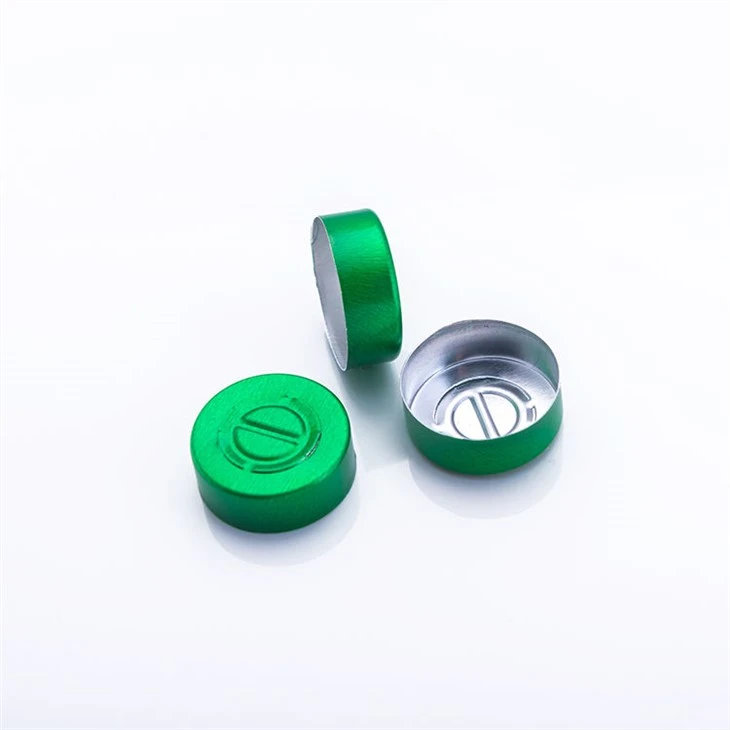
In fact, this fast cooling can be an advantage in some cases. For example, in the pharmaceutical industry, where drugs need to be kept at a specific low temperature, aluminum caps can help the vial reach and maintain that temperature more efficiently. The Glass Vial Aluminum Cap is a great example of this. It's designed to fit snugly on glass vials, providing a good seal and helping to regulate the temperature inside.
Another important aspect is the strength of aluminum at low temperatures. Unlike some other materials that can become brittle and break in the cold, aluminum actually gets stronger. This means that our caps are less likely to crack or deform when exposed to low temperatures, which is crucial for maintaining the integrity of the container and its contents.
Performance in Different Low-Temperature Scenarios
Let's break it down into a few different scenarios to really understand how aluminum caps perform.
Pharmaceutical Storage
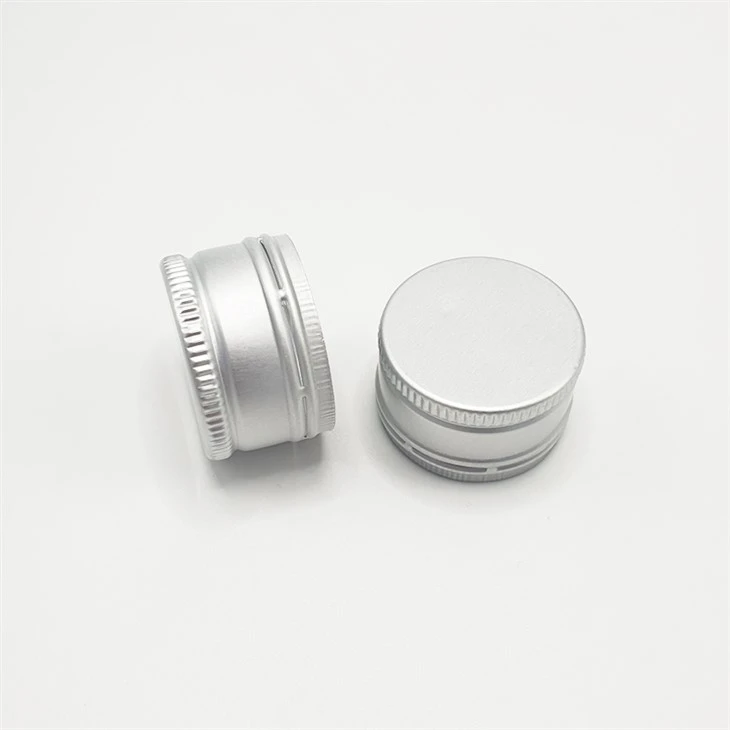
In a pharmaceutical warehouse, drugs are often stored in freezers at temperatures as low as -20°C or even lower. Our Aluminum Pilfer Proof Caps are designed to withstand these extreme conditions. They provide a tight seal that prevents air and moisture from getting in, which could otherwise degrade the drugs. The pilfer-proof feature also ensures that the integrity of the product is maintained, giving both the manufacturer and the end-user peace of mind.
Food and Beverage Transportation
When it comes to transporting food and beverages, refrigerated trucks are commonly used. These trucks typically maintain a temperature between 0°C and 4°C. Aluminum caps on cans and bottles can help keep the contents fresh and carbonated. The Aluminum Can with Screw Cap is a popular choice in this industry. The screw cap design provides an extra layer of protection, preventing leaks and keeping the product at the right temperature during transit.
Cosmetics in Cold Storage
Cosmetics also need to be stored at the right temperature to maintain their quality. In a cold storage facility, aluminum caps can help protect the product from temperature fluctuations. They're resistant to corrosion, which is important as some cosmetic ingredients can be acidic or reactive. This means that the cap won't degrade over time, ensuring that the product inside remains in good condition.
Testing and Quality Assurance
We don't just rely on theory when it comes to the performance of our aluminum caps in low-temperature environments. We conduct a series of tests to make sure they meet the highest standards.
One of the tests we do is the cold shock test. In this test, we expose the caps to a sudden drop in temperature to simulate real-world conditions. We then check for any signs of cracking, deformation, or loss of seal integrity. If a cap fails this test, it doesn't make it out of our factory.
We also perform long-term storage tests at different low temperatures. We monitor the caps over a period of weeks or even months to see how they hold up. This helps us identify any potential issues and make improvements to our manufacturing process.
Advantages Over Other Materials
Compared to other materials like plastic or rubber, aluminum caps have several advantages in low-temperature environments.
Plastic caps can become brittle and crack in the cold, which can lead to leaks and contamination. Rubber seals can lose their elasticity, resulting in a poor seal. Aluminum, on the other hand, maintains its strength and flexibility, providing a reliable and long-lasting solution.
Another advantage is that aluminum is recyclable. In today's environmentally conscious world, this is a big plus. By choosing aluminum caps, our customers are not only getting a high-quality product but also doing their part for the planet.
Wrapping It Up
So, there you have it, folks. Aluminum caps perform really well in low-temperature environments. They're strong, reliable, and designed to meet the specific needs of different industries. Whether you're in the pharmaceutical, food and beverage, or cosmetics business, our aluminum caps can help you keep your products safe and fresh.
If you're interested in learning more about our aluminum caps or have any questions about their performance in low temperatures, don't hesitate to get in touch. We're always happy to have a chat and help you find the right solution for your needs. Let's start a conversation about your next project and see how our aluminum caps can make a difference.
References
- Some scientific research on the properties of aluminum at low temperatures.
- Industry standards and guidelines for packaging in low-temperature environments.