

Do rubber vial stoppers have any expiration date? That's a question I get asked a lot as a supplier of rubber vial stoppers. And it's a valid one, considering these little guys play a crucial role in keeping all sorts of stuff safe and sound.
First off, let me give you a bit of background. Rubber vial stoppers are used in tons of industries, like pharmaceuticals, cosmetics, and even the food and beverage world. They're there to seal vials, keeping the contents inside fresh, protected from contamination, and maintaining their quality. Whether it's a life - saving drug or a fancy perfume, a good rubber stopper is essential.
So, do they have an expiration date? Well, the short answer is yes, but it's a bit more complicated than just slapping a date on the package.
Rubber is a natural or synthetic polymer, and over time, it can undergo some changes. The main factors that affect the lifespan of rubber vial stoppers are storage conditions, the type of rubber used, and the environment they're exposed to.
Let's start with storage conditions. If you store your rubber stoppers in a cool, dry place away from direct sunlight and extreme temperatures, they'll last a lot longer. Heat can cause the rubber to expand and then contract, which can lead to cracking and loss of elasticity. Moisture is also a big no - no. It can promote the growth of mold and bacteria, and it can also cause the rubber to break down chemically. For example, if you leave a box of 13mm Rubber Stopper in a hot, humid warehouse, you're asking for trouble.
The type of rubber matters too. There are different kinds of rubber used to make vial stoppers, like natural rubber, butyl rubber, and silicone rubber. Natural rubber is more prone to degradation because it contains proteins that can break down over time. Butyl rubber, on the other hand, is more resistant to chemicals and has better gas barrier properties. It generally has a longer shelf - life compared to natural rubber. Silicone rubber is known for its high temperature resistance and chemical stability, so it can also last a long time if stored properly.
The environment where the stoppers will be used is another key factor. If they're going to be used in a highly corrosive environment, such as in a chemical laboratory, they'll wear out faster. The chemicals can react with the rubber, causing it to lose its integrity. Even in a less harsh environment, like a cosmetic factory, factors like the pH of the product in the vial can affect the stopper. For instance, acidic or alkaline substances can gradually erode the rubber.
Now, most manufacturers will give you a recommended shelf - life for their rubber vial stoppers. This is usually based on extensive testing under normal storage conditions. It could range from 1 to 5 years, depending on the type of rubber and the quality of the manufacturing process. But just because the recommended time has passed doesn't mean the stoppers are completely useless. You can still do some checks to see if they're still good.
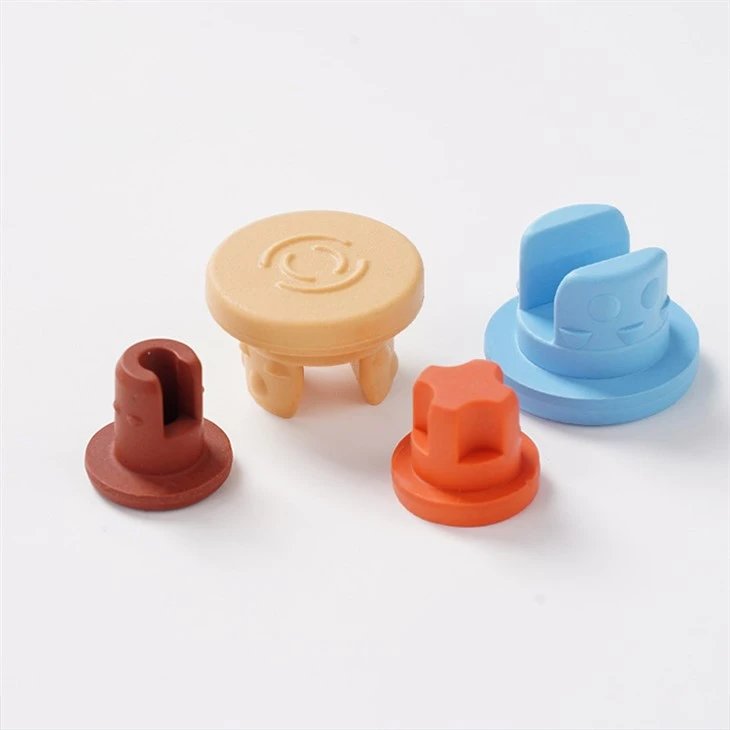
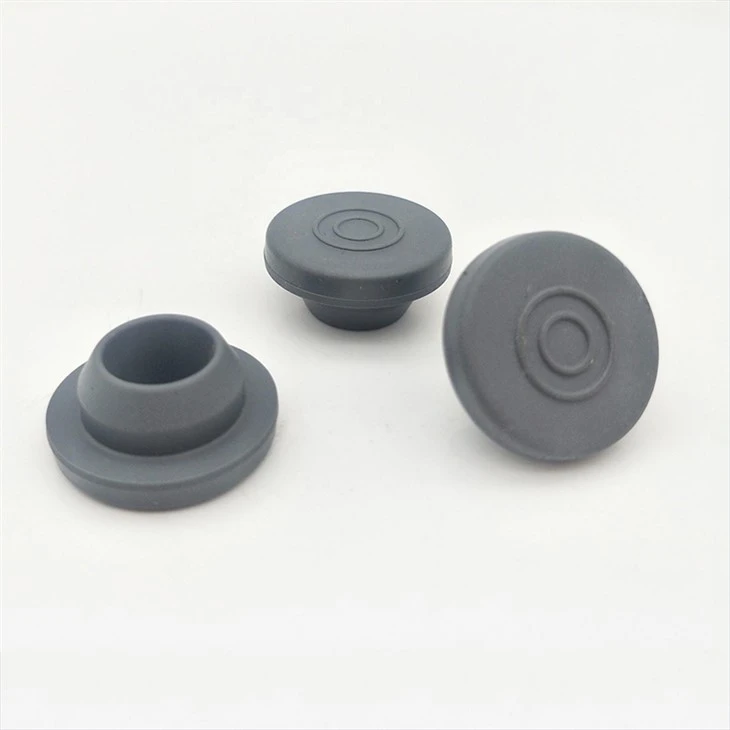
One of the easiest ways to check is by looking at the physical appearance. If the rubber looks cracked, brittle, or has a sticky residue, it's probably time to replace it. You can also do a simple elasticity test. Take a stopper and gently squeeze it. If it doesn't bounce back to its original shape quickly, it may have lost its elasticity and won't provide a proper seal.
Another important aspect is the regulatory requirements. In the pharmaceutical industry, for example, strict regulations govern the use of rubber vial stoppers. The FDA and other regulatory bodies have guidelines on the quality and stability of these stoppers. They want to make sure that the stoppers don't leach any harmful substances into the drugs and that they maintain their sealing properties throughout the product's shelf - life. So, if you're in a regulated industry, you need to be extra careful about using expired or degraded stoppers.
As a supplier, I always recommend that my customers follow the storage and handling instructions provided. It's also a good idea to keep track of the purchase date and the recommended shelf - life of the stoppers. This way, you can plan your inventory better and avoid using stoppers that may be past their prime.
If you're looking for high - quality rubber vial stoppers, we've got a great range to offer. Our Gray Rubber Stopper is a popular choice. It's made from high - grade butyl rubber, which offers excellent chemical resistance and a long shelf - life. And our Glass Vial Rubber Stopper is designed specifically to fit glass vials perfectly, providing a tight and reliable seal.
In conclusion, rubber vial stoppers do have an expiration date, but it's influenced by many factors. By taking good care of them and being aware of the signs of degradation, you can ensure that your vials are properly sealed and your products are protected. If you have any questions about our rubber vial stoppers or need help choosing the right ones for your application, don't hesitate to get in touch. We're here to help you make the best choice for your business.
References
- "Handbook of Rubber Technology" by A. Y. Coran
- FDA guidelines on pharmaceutical packaging materials