

As a dedicated supplier of rubber stoppers, I've often been asked a question that piques the curiosity of many: Do rubber stoppers age over time? In this blog, I'll delve into the science behind rubber stopper aging, exploring the factors that contribute to it, the signs to look out for, and how it impacts the performance of these essential components.
The Science of Rubber Aging
Rubber is a complex polymer material, and like all organic substances, it undergoes changes over time. These changes are primarily due to chemical reactions with the environment, including oxygen, ozone, heat, light, and various chemicals.
Oxidation
One of the most common causes of rubber aging is oxidation. When rubber is exposed to oxygen in the air, the oxygen molecules react with the rubber's polymer chains. This reaction breaks the chains, leading to a loss of elasticity and an increase in hardness. Over time, the rubber may become brittle and crack, reducing its effectiveness as a stopper.
Ozone Attack
Ozone, a highly reactive form of oxygen, can cause even more severe damage to rubber. Ozone molecules react with the double bonds in the rubber's polymer chains, creating cracks on the surface of the rubber. These cracks can propagate quickly, especially under stress, and can lead to the complete failure of the rubber stopper.
Thermal Degradation
Heat can accelerate the aging process of rubber. High temperatures increase the rate of chemical reactions, causing the rubber to break down more quickly. Thermal degradation can lead to a loss of physical properties, such as elasticity and strength, and can also cause the rubber to become sticky or melt.
Photodegradation
Exposure to sunlight, particularly ultraviolet (UV) radiation, can also cause rubber to age. UV radiation can break the chemical bonds in the rubber, leading to discoloration, cracking, and a loss of mechanical properties. This is why rubber stoppers that are exposed to sunlight for extended periods may show signs of aging more quickly.
Chemical Exposure
Rubber can also be affected by exposure to various chemicals, such as solvents, acids, and bases. These chemicals can react with the rubber, causing it to swell, dissolve, or lose its physical properties. For example, some solvents can penetrate the rubber and break down the polymer chains, while acids and bases can cause chemical reactions that alter the rubber's structure.
Signs of Aging in Rubber Stoppers
As a rubber stopper ages, it may exhibit several signs that indicate its degradation. These signs can vary depending on the type of rubber, the aging mechanism, and the environmental conditions.
Hardening and Brittleness
One of the most common signs of aging in rubber stoppers is hardening and brittleness. As the rubber oxidizes and its polymer chains break down, it loses its elasticity and becomes stiffer. This can make the stopper difficult to insert or remove from a container and can also reduce its ability to form a tight seal.
Cracking
Cracks are another visible sign of aging in rubber stoppers. These cracks can be caused by ozone attack, thermal stress, or mechanical stress. Cracks can compromise the integrity of the stopper, allowing air, moisture, or contaminants to enter the container.
Discoloration
Rubber stoppers may also change color as they age. This can be due to oxidation, photodegradation, or chemical reactions with the environment. Discoloration can be a cosmetic issue, but it can also indicate a more significant problem with the rubber's integrity.
Loss of Seal Integrity
As a rubber stopper ages, it may lose its ability to form a tight seal. This can be due to hardening, cracking, or swelling of the rubber. A loss of seal integrity can lead to leaks, which can be a serious problem in applications where the contents of the container need to be protected from the environment.
Impact of Aging on Rubber Stopper Performance
The aging of rubber stoppers can have a significant impact on their performance. In many applications, rubber stoppers are used to provide a tight seal, prevent leaks, and protect the contents of a container from the environment. As the stopper ages, its ability to perform these functions may be compromised.
Leakage
One of the most significant consequences of aging in rubber stoppers is leakage. As the rubber hardens, cracks, or loses its elasticity, it may no longer be able to form a tight seal around the opening of a container. This can allow air, moisture, or contaminants to enter the container, which can affect the quality and stability of the contents.
Contamination
Aging rubber stoppers can also be a source of contamination. Cracks and other defects in the rubber can provide a pathway for bacteria, fungi, or other microorganisms to enter the container. In addition, the breakdown of the rubber itself can release small particles or chemicals into the contents of the container, which can be harmful in some applications.
Reduced Shelf Life
The aging of rubber stoppers can also reduce the shelf life of the products they are used to seal. If the stopper fails to provide an effective seal, the contents of the container may be exposed to the environment, which can cause them to degrade more quickly. This can lead to a shorter shelf life and increased waste.
Preventing and Managing Rubber Stopper Aging
As a rubber stopper supplier, I understand the importance of preventing and managing rubber stopper aging. Here are some strategies that can help extend the lifespan of rubber stoppers and ensure their optimal performance.
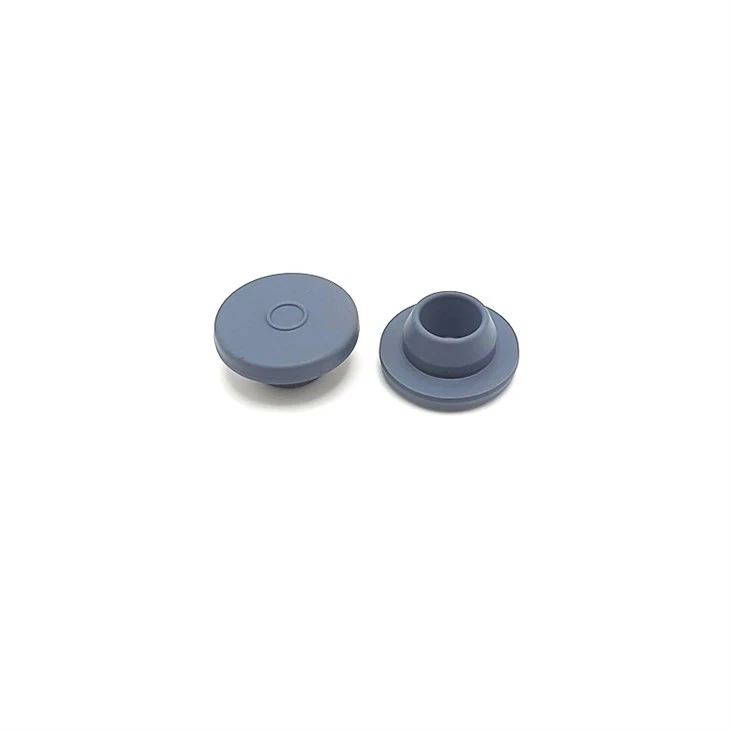

Proper Storage
Proper storage is crucial for preventing rubber stopper aging. Rubber stoppers should be stored in a cool, dry place away from direct sunlight and sources of heat. They should also be protected from exposure to ozone, chemicals, and mechanical stress. For example, rubber stoppers can be stored in sealed containers or bags to prevent exposure to air and moisture.
Selection of High-Quality Rubber
The type of rubber used in the stopper can also affect its aging resistance. Some types of rubber, such as butyl rubber, are more resistant to oxidation, ozone, and chemical exposure than others. When selecting rubber stoppers, it's important to choose a high-quality rubber that is suitable for the specific application and environmental conditions.
Use of Protective Coatings
Protective coatings can be applied to rubber stoppers to improve their aging resistance. These coatings can provide a barrier against oxygen, ozone, UV radiation, and chemicals, helping to extend the lifespan of the stopper. For example, some coatings can be applied to the surface of the rubber to prevent oxidation and cracking.
Regular Inspection
Regular inspection of rubber stoppers is essential for detecting signs of aging early. By inspecting the stoppers regularly, it's possible to identify any signs of hardening, cracking, discoloration, or loss of seal integrity and replace the stoppers before they fail. This can help prevent leaks, contamination, and other problems.
Our Range of Rubber Stoppers
At our company, we offer a wide range of high-quality rubber stoppers that are designed to meet the needs of various industries. Our rubber stoppers are made from top-grade materials and are manufactured using advanced processes to ensure their durability and performance.
We have 20mm Rubber Stopper that are suitable for use in a variety of applications, including laboratory equipment, pharmaceutical packaging, and industrial containers. These stoppers are designed to provide a tight seal and are resistant to aging and chemical exposure.
Our 13mm Grey Butyl Rubber Stoppers are made from butyl rubber, which is known for its excellent resistance to oxidation, ozone, and chemicals. These stoppers are ideal for applications where a high level of sealing performance and aging resistance is required.
We also offer Mini Rubber Stopper that are perfect for small containers and applications. These stoppers are made from high-quality rubber and are available in a variety of sizes and colors.
Contact Us for Your Rubber Stopper Needs
If you're in need of high-quality rubber stoppers for your business, we'd love to hear from you. Our team of experts can help you select the right rubber stoppers for your specific application and provide you with all the information you need to ensure their proper use and maintenance. Whether you're looking for a small quantity of stoppers for a laboratory experiment or a large order for industrial production, we can meet your needs. Contact us today to discuss your requirements and start a procurement negotiation.
References
- ASTM International. (2019). Standard Terminology Relating to Rubber. ASTM D1566 - 19.
- Cowie, J. M. G., & Arrighi, V. (2008). Polymers: Chemistry & Physics of Modern Materials. CRC Press.
- Kroschwitz, J. I., & Howe - Grant, M. (Eds.). (1990). Kirk - Othmer Encyclopedia of Chemical Technology. John Wiley & Sons.