

Do medicine bottles come with a seal?
In the dynamic landscape of pharmaceutical packaging, the question of whether medicine bottles come with a seal is of paramount importance. As a seasoned Medicine Bottle supplier, I've witnessed firsthand the evolving demands and expectations in this critical industry. Let's embark on an in - depth exploration of this topic to understand the significance, types, and implications of seals on medicine bottles.
The Importance of Seals on Medicine Bottles
Seals on medicine bottles serve multiple crucial functions. Firstly, they act as a primary line of defense against contamination. The pharmaceutical products stored in these bottles are extremely sensitive to external elements such as dust, moisture, and microorganisms. A proper seal ensures that the medicine remains in its pure and effective state throughout its shelf - life.
For example, a medicine that is subject to moisture can experience chemical degradation. This not only reduces its efficacy but can also lead to the formation of harmful by - products. A tightly sealed bottle can prevent the entry of moisture, thus safeguarding the integrity of the medicine.
Secondly, seals provide tamper evidence. In a world where consumer safety is a top priority, being able to tell if a medicine bottle has been opened before is essential. A broken or damaged seal immediately alerts the consumer and healthcare providers that the product may have been tampered with, reducing the risk of ingestion of potentially compromised medicine.
Types of Seals on Medicine Bottles
There are several types of seals commonly used on medicine bottles, each with its own set of advantages.
One of the most prevalent is the induction seal. Induction sealing is a process where an aluminum foil liner is bonded to the bottle opening using electromagnetic induction. This creates a hermetic seal that is both air - tight and tamper - evident. The induction seal is highly effective in preventing leakage and protecting the medicine from external contaminants. It is widely used in the packaging of liquid and solid medicines.
Another type is the screw - on cap with a foam or rubber liner. This type of seal creates a tight fit when the cap is screwed onto the bottle. It is relatively simple and cost - effective, making it a popular choice for many over - the - counter medicines. The liner provides an extra layer of protection against air and moisture entry.
Some bottles also use shrink bands. Shrink bands are plastic sleeves that are placed around the cap and neck of the bottle and then shrunk using heat. They not only provide a tamper - evident feature but also add a layer of protection to prevent the cap from being accidentally unscrewed during transportation.
Our Range of Medicine Bottles and Sealing Options
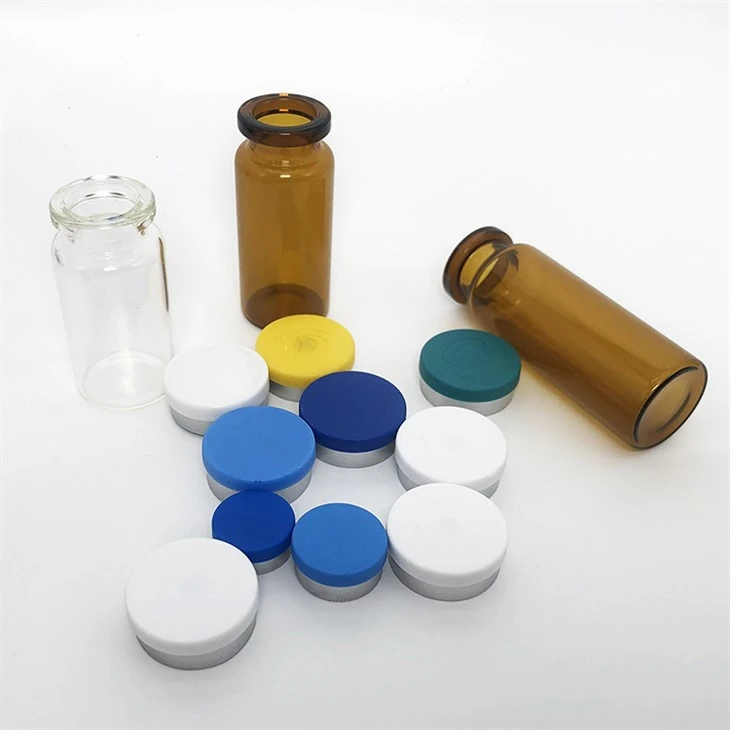
As a dedicated Medicine Bottle supplier, we offer a wide variety of bottles with appropriate sealing solutions. For instance, our 10ml Glass Vial with Rubber Stopper is designed with a high - quality rubber stopper that provides an excellent seal. The rubber material is compliant with pharmaceutical standards and ensures that the contents of the vial remain protected.
Our 2ml Glass Bottle can be fitted with different types of seals depending on the customer's requirements. It can be equipped with an induction seal for products that require a high - level of protection against contamination and leakage.
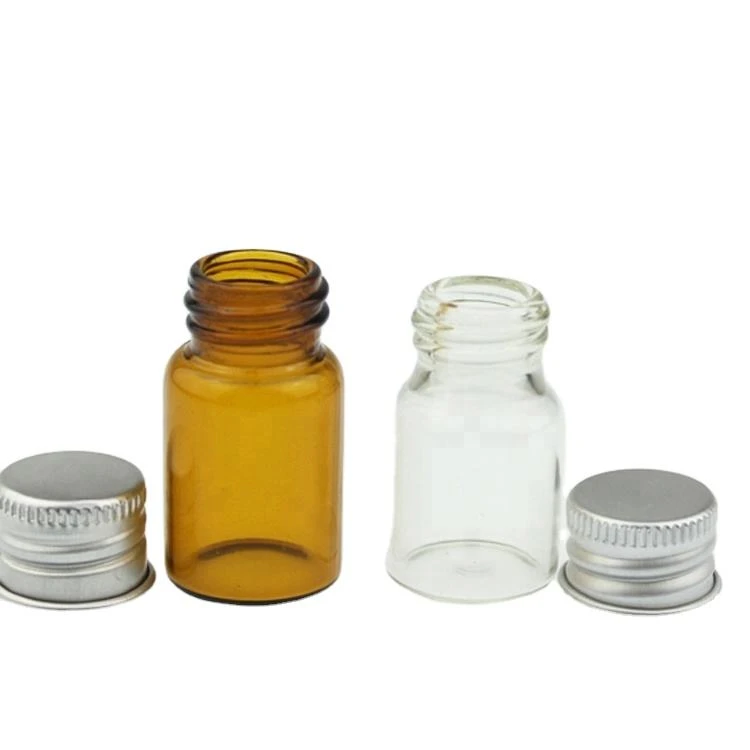
The 20ml Amber Glass Bottle is another popular choice. Amber glass is known for its ability to protect light - sensitive medicines. It can be sealed with a screw - on cap with a liner to ensure the product's stability and integrity.
Industry Standards and Regulations
The use of seals on medicine bottles is not just a good practice but is also regulated by various national and international standards. Regulatory bodies such as the United States Food and Drug Administration (FDA) and the European Medicines Agency (EMA) have strict guidelines regarding the safety and integrity of pharmaceutical packaging.
These regulations often require that medicine bottles have a tamper - evident seal. This means that any attempt to open the bottle should be clearly visible. Seals also need to meet specific requirements regarding their durability, chemical resistance, and the ability to maintain the sterility of the product inside.
Manufacturers must adhere to these regulations to ensure that their products can be legally sold in the market. As a supplier, we take these regulations very seriously and ensure that all our medicine bottles and sealing solutions meet the highest standards.
Challenges in Sealing Medicine Bottles
Despite the clear benefits of using seals on medicine bottles, there are some challenges that come with it. One of the main challenges is the cost. High - quality sealing materials and technologies can be expensive, which can increase the overall cost of the packaging. This can be a concern for pharmaceutical companies, especially those producing low - cost medications.
Another challenge is the compatibility of the seal with the medicine itself. Some medicines may react with the seal material, which can lead to the degradation of the seal or the medicine. This requires careful selection of the seal material and thorough testing to ensure compatibility.
Future Trends in Medicine Bottle Sealing
The future of medicine bottle sealing is likely to be driven by technological advancements and increased focus on sustainability. New materials are being developed that are more environmentally friendly and still provide excellent sealing properties.
For example, bio - based polymers are being explored as an alternative to traditional plastic seals. These polymers are derived from renewable resources and are biodegradable, reducing the environmental impact of pharmaceutical packaging.
There is also a growing trend towards the use of smart seals. These seals can provide additional information such as the temperature history of the product, which is crucial for some temperature - sensitive medicines.
Contact for Procurement
If you are in the market for high - quality medicine bottles with reliable sealing solutions, we are here to assist you. Our team of experts can help you choose the right bottle and sealing option for your specific pharmaceutical product. Whether you need a small batch for clinical trials or a large - scale production run, we have the capacity and expertise to meet your needs. Reach out to us to start a discussion about your procurement requirements.
References
- "Pharmaceutical Packaging Handbook" - A comprehensive guide on all aspects of pharmaceutical packaging, including sealing technologies and industry standards.
- Publications from regulatory bodies such as the FDA and EMA on pharmaceutical packaging regulations.
- Industry research reports on emerging trends in medicine bottle sealing.