

Hey there! I'm a supplier of clear glass bottles, and I often get asked, "Do clear glass bottles require any special cleaning agents?" Well, let's dive right into this topic and find out.
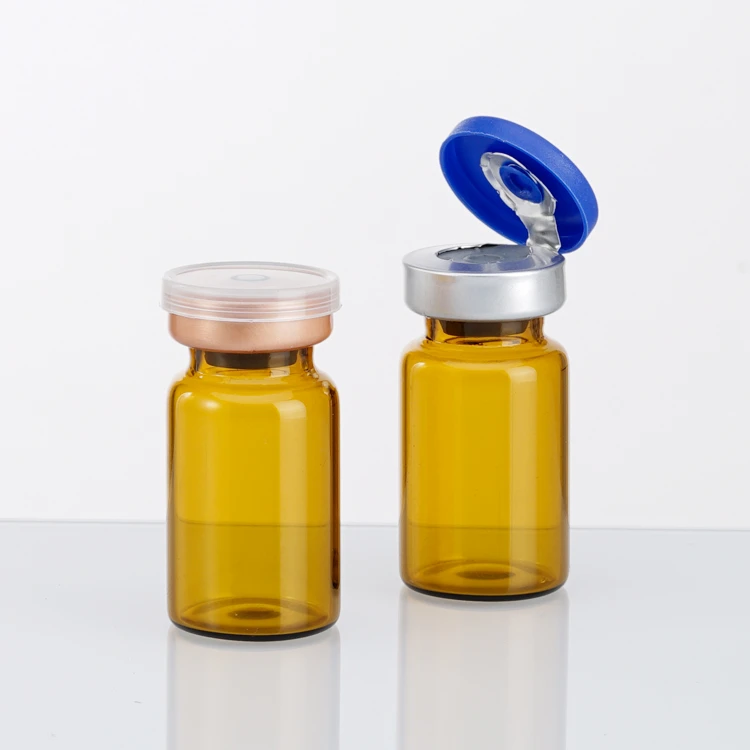
First off, clear glass bottles are super popular for a bunch of reasons. They're used in the food industry to store things like jams, pickles, and olive oil. In the cosmetic world, you'll see them holding perfumes, lotions, and serums. And in the pharmaceutical field, they're a go - to for storing medications. You can check out our Glass Injection Vials, Glass Medical Vials, and Pharmacy Bottle Glass for more specific applications in the medical and pharmacy sectors.
Now, let's talk about whether they need special cleaning agents. The short answer is, it depends.
Cleaning for General Use
If you're using clear glass bottles for everyday items like homemade salad dressings or small craft projects, regular dish soap and warm water usually do the trick. Dish soap is formulated to break down grease and dirt, and when combined with warm water, it can effectively clean the inside and outside of the bottle.
Fill the bottle about halfway with warm water, add a few drops of dish soap, and then shake it well. Make sure to cover all the surfaces inside the bottle. You can use a bottle brush to reach the bottom and sides if needed. After a good scrub, rinse the bottle thoroughly with clean water. This simple method is not only cost - effective but also environmentally friendly since most dish soaps are biodegradable.
Cleaning for Food Storage
When it comes to food storage, especially if you're reusing glass bottles, a more thorough cleaning is necessary. You don't want any leftover food particles or bacteria lurking in there. In addition to dish soap and warm water, you might want to sanitize the bottles.
One way to sanitize is by boiling the bottles. Place the bottles in a large pot filled with water and bring it to a boil. Let the bottles boil for about 10 - 15 minutes. This high - temperature treatment kills most bacteria and other harmful microorganisms. After boiling, carefully remove the bottles using tongs and let them air dry on a clean towel.
Another option is to use a diluted bleach solution. Mix one tablespoon of bleach with one gallon of water. Fill the bottle with the solution and let it sit for a few minutes. Then, rinse the bottle several times with clean water to make sure there's no bleach residue left. However, be careful when using bleach as it can be harsh and may leave a smell if not rinsed properly.
Cleaning for Cosmetic and Pharmaceutical Use
In the cosmetic and pharmaceutical industries, the standards for cleanliness are much higher. These products need to be free from any contaminants that could affect the quality and safety of the contents.
For cosmetic products, especially those with natural ingredients, bacteria can grow quickly. Specialized cleaning agents formulated for glass surfaces in the cosmetic industry are often used. These agents are designed to remove oils, dirt, and any potential microbial contaminants. They are usually gentle enough not to damage the glass or leave any residue that could interact with the cosmetic product.
In the pharmaceutical field, the cleaning process is even more rigorous. Pharmaceutical glass bottles need to be completely sterile. Specialized cleaning agents and procedures are used to ensure this. These agents are carefully selected to meet strict regulatory requirements. They are often designed to remove not only visible dirt but also any trace amounts of chemicals or particles that could be harmful to patients.
Some pharmaceutical cleaning agents are alkaline - based, which can effectively break down proteins and other organic matter. Others are acidic - based, which can dissolve mineral deposits. After cleaning with these agents, the bottles go through multiple rinsing steps and are then sterilized using methods like steam sterilization or dry - heat sterilization.
Factors Affecting Cleaning Requirements
There are several factors that can affect whether clear glass bottles need special cleaning agents.

Type of Residue
If the bottle has been used to store something sticky like honey or syrup, regular dish soap might not be enough. You may need to soak the bottle in warm water for a longer time or use a more powerful degreaser. For example, if you're trying to clean a bottle that previously held maple syrup, the thick and sticky residue can be stubborn. A mixture of baking soda and water can be a great alternative. Make a paste with baking soda and water, apply it to the inside of the bottle, and let it sit for a while before scrubbing.
Frequency of Use
If you're using the bottles frequently, you might be able to get away with a quick rinse between uses. But if the bottles are stored for a long time before reuse, there's a higher chance of dust and other contaminants accumulating. In this case, a more thorough cleaning with appropriate agents is necessary.
Storage Conditions
Bottles stored in a dirty or humid environment are more likely to get dirty or develop mold. If you notice any signs of mold inside the bottle, you'll need to use a mold - killing cleaning agent. A solution of white vinegar and water can be effective in killing mold. Fill the bottle with the solution and let it sit for a few hours. Then, scrub the bottle and rinse it well.
Conclusion
So, do clear glass bottles require special cleaning agents? As we've seen, it really depends on how you're using the bottles. For most everyday and general - purpose use, regular dish soap and warm water are sufficient. But for food storage, cosmetic, and pharmaceutical applications, more specialized cleaning methods and agents may be needed.
If you're in the market for high - quality clear glass bottles for your business or personal use, I'd love to talk to you. Whether you need Glass Injection Vials, Glass Medical Vials, or Pharmacy Bottle Glass, we've got you covered. Reach out to me if you're interested in discussing your specific requirements and starting a procurement conversation.
References
- "Food Packaging: Principles and Practice" by Tara H. McHugh
- "Cosmetic Science and Technology" by Marie L. Draelos
- "Pharmaceutical Packaging Technology" by Gordon L. Amidon