

Can vials be used for storing bacteria cultures? That's a question I often get asked as a vial supplier. In this blog post, I'm gonna break down the ins and outs of using vials for storing bacteria cultures, so you can make an informed decision for your lab or research project.

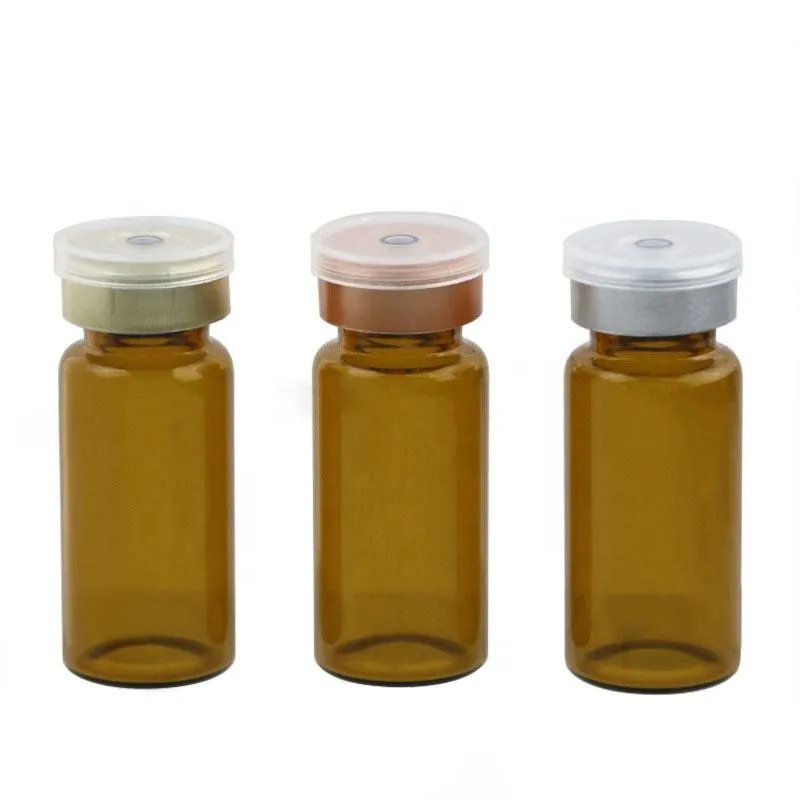
First off, let's talk about what vials are. Vials are small containers, usually made of glass or plastic, that are used to store all sorts of things, from chemicals to biological samples. They come in different sizes and shapes, and can be sealed in various ways to keep the contents safe and secure.
Now, when it comes to storing bacteria cultures, vials can be a great option. One of the main advantages of using vials is their small size. They take up less space in the lab, which is a big plus, especially if you're working with limited storage. Plus, they're easy to handle and transport, so you can move your cultures around without too much hassle.
Another benefit of vials is that they can provide a good seal. This is crucial for keeping bacteria cultures alive and preventing contamination. A tight - fitting cap or closure can stop air, moisture, and other unwanted substances from getting into the vial and harming the bacteria.
But, not all vials are created equal. When choosing a vial for storing bacteria cultures, you need to consider a few important factors.
Material
The material of the vial matters a lot. Glass vials are a popular choice. They're inert, which means they don't react with the bacteria or the culture medium. This is important because you don't want any chemical reactions to mess up your cultures. Glass is also transparent, so you can easily see the bacteria growing inside.
If you're looking for glass vials, we offer a great selection, like the Amber Glass Bottle. Amber glass is especially useful as it can protect light - sensitive bacteria from the harmful effects of UV light. We also have Amber Medicine Glass Bottle, which are designed to meet high - quality standards for storing biological samples.
On the other hand, plastic vials are lighter and less likely to break. They're also cheaper in some cases. However, some plastics may leach chemicals over time, which could potentially affect the bacteria. So, if you choose plastic vials, make sure they're made from a high - quality, biocompatible plastic.
Size
The size of the vial depends on how much bacteria culture you need to store. If you're just doing small - scale experiments, Small Glass Bottle might be perfect. They're ideal for storing small amounts of cultures and are easy to manage. But if you're working on a larger project, you'll need bigger vials to hold more culture.
Sterility
Sterility is key when it comes to storing bacteria cultures. You don't want any unwanted bacteria or other microorganisms in the vial that could contaminate your cultures. Make sure the vials you choose are pre - sterilized or can be easily sterilized using methods like autoclaving.
Closure
The type of closure on the vial is also important. There are different types of closures, such as screw caps, snap - on caps, and rubber stoppers. Screw caps provide a tight seal and are easy to open and close. Rubber stoppers can be useful for vials that need to be accessed multiple times, as they can be pierced with a needle for sampling.
Now, let's talk about some potential drawbacks of using vials for storing bacteria cultures.
One issue is that vials can be prone to breakage, especially glass vials. If a vial breaks, it can contaminate the surrounding area and ruin your cultures. You need to handle them carefully and store them in a safe place.
Another problem is that vials may not provide the best long - term storage solution. Over time, the bacteria may exhaust the nutrients in the culture medium, or the conditions inside the vial may change. For long - term storage, you might need to consider other methods, like freezing the cultures in special cryogenic vials.
In conclusion, vials can definitely be used for storing bacteria cultures, but you need to choose the right ones and take proper care of them. Glass vials, especially amber glass ones, are a great option for many applications due to their inertness and light - protection properties. Plastic vials can also work, as long as they're made from a suitable material.
If you're in the market for vials for storing bacteria cultures, we've got you covered. We offer a wide range of high - quality vials that are suitable for different needs. Whether you need small glass bottles or larger amber glass ones, we can provide the products you need.
If you're interested in learning more or making a purchase, don't hesitate to get in touch. We're here to help you find the best vials for your bacteria culture storage needs.
References
- Atlas, R. M. (2010). Handbook of Microbiological Media. CRC Press.
- Pelczar, M. J., Chan, E. C. S., & Krieg, N. R. (2007). Microbiology: Concepts and Applications. McGraw - Hill.