

Can rubber stoppers be reused? This is a question that often arises in various industries, especially those that rely heavily on the use of rubber stoppers for sealing and other crucial functions. As a leading rubber stopper supplier, we understand the concerns and considerations that come with this topic. In this blog post, we will delve into the science behind rubber stopper reuse, exploring the factors that determine whether it is a viable option and the potential risks and benefits involved.
Understanding Rubber Stoppers
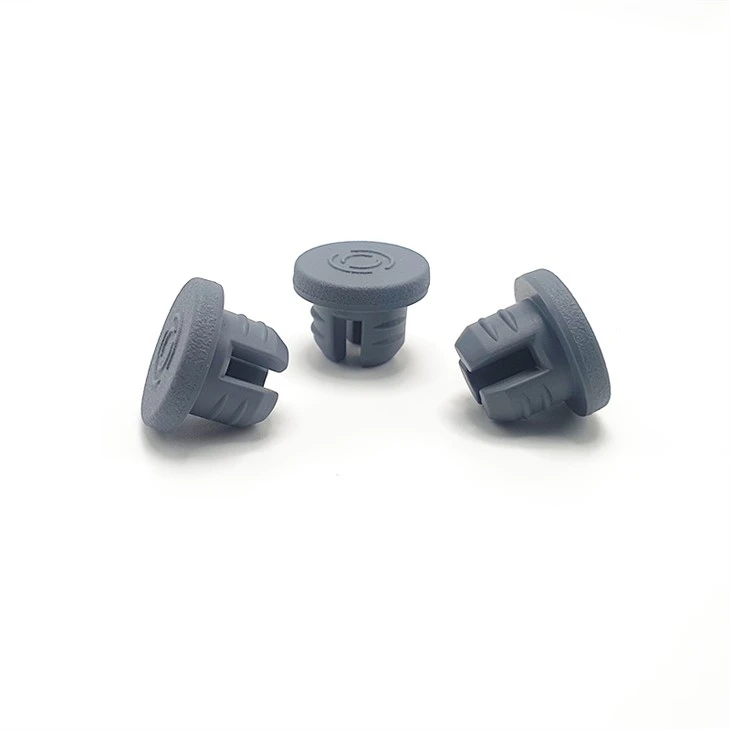
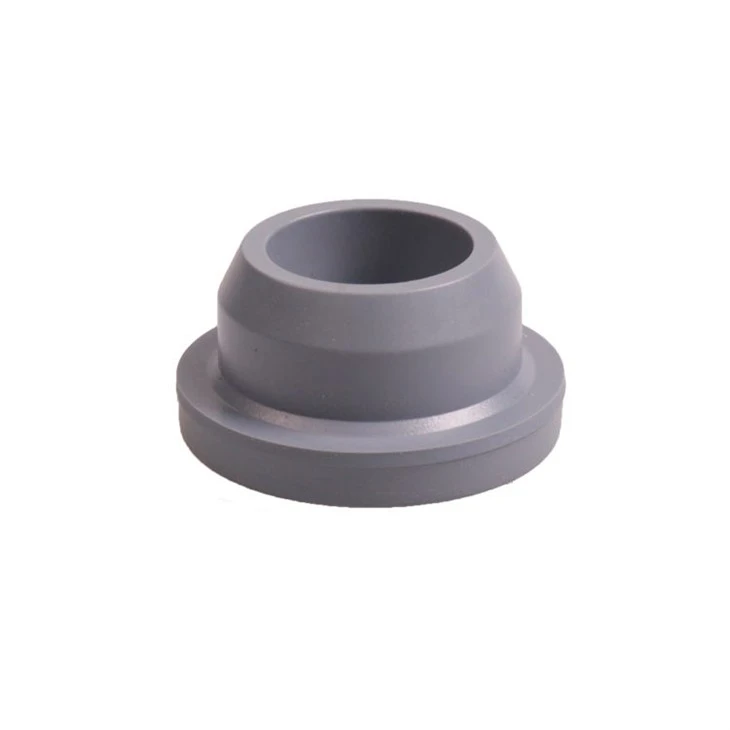
Before we discuss the reusability of rubber stoppers, it is essential to understand what they are and how they are used. Rubber stoppers are made from various rubber materials, including natural rubber, synthetic rubber, and silicone rubber. They are designed to provide a tight seal in bottles, test tubes, and other containers, preventing the leakage of liquids or gases. Rubber stoppers are widely used in industries such as pharmaceuticals, laboratories, food and beverage, and chemical manufacturing.
Factors Affecting the Reusability of Rubber Stoppers
Several factors determine whether rubber stoppers can be reused. These factors include the type of rubber material, the application, the level of contamination, and the cleaning and sterilization process.
Type of Rubber Material
Different rubber materials have different properties, which can affect their reusability. For example, natural rubber is more porous and prone to degradation than synthetic rubber or silicone rubber. This means that natural rubber stoppers may be more difficult to clean and sterilize effectively, making them less suitable for reuse. On the other hand, synthetic rubber and silicone rubber are more resistant to chemicals, heat, and moisture, making them more suitable for reuse in certain applications.
Application
The application of the rubber stopper also plays a crucial role in determining its reusability. In some applications, such as in the food and beverage industry, rubber stoppers may come into contact with food or beverages, which can introduce contaminants. In these cases, it may be necessary to use new rubber stoppers for each use to ensure the safety and quality of the product. In other applications, such as in laboratory settings, rubber stoppers may be used for non-food or non-beverage applications, where the risk of contamination is lower. In these cases, it may be possible to reuse rubber stoppers after proper cleaning and sterilization.
Level of Contamination
The level of contamination of the rubber stopper is another important factor to consider. If the rubber stopper has come into contact with hazardous chemicals, biological agents, or other contaminants, it may not be safe to reuse it. In these cases, the rubber stopper should be disposed of properly to prevent the spread of contamination. On the other hand, if the rubber stopper has only come into contact with non-hazardous substances, such as water or air, it may be possible to reuse it after proper cleaning and sterilization.
Cleaning and Sterilization Process
The cleaning and sterilization process is crucial for ensuring the safety and effectiveness of reused rubber stoppers. The cleaning process should remove any visible dirt, debris, or contaminants from the rubber stopper. The sterilization process should kill any remaining microorganisms or pathogens on the rubber stopper. There are several methods of cleaning and sterilizing rubber stoppers, including chemical cleaning, heat sterilization, and radiation sterilization. The choice of cleaning and sterilization method depends on the type of rubber material, the level of contamination, and the application of the rubber stopper.
Benefits of Reusing Rubber Stoppers
Reusing rubber stoppers can have several benefits, including cost savings, environmental sustainability, and resource conservation.
Cost Savings
Reusing rubber stoppers can significantly reduce the cost of purchasing new rubber stoppers. In industries that use a large number of rubber stoppers, such as the pharmaceutical and laboratory industries, the cost savings can be substantial. By reusing rubber stoppers, companies can reduce their operating costs and improve their bottom line.
Environmental Sustainability
Reusing rubber stoppers is also an environmentally sustainable practice. Rubber is a non-renewable resource, and the production of new rubber stoppers requires the use of energy and other resources. By reusing rubber stoppers, companies can reduce their environmental impact and contribute to a more sustainable future.
Resource Conservation
Reusing rubber stoppers also helps to conserve resources. By extending the life of rubber stoppers, companies can reduce the demand for new rubber and other materials used in the production of rubber stoppers. This can help to conserve natural resources and reduce the environmental impact of the rubber industry.
Risks of Reusing Rubber Stoppers
While reusing rubber stoppers can have several benefits, it also poses some risks. These risks include the potential for contamination, the degradation of the rubber material, and the loss of sealing effectiveness.
Potential for Contamination
One of the main risks of reusing rubber stoppers is the potential for contamination. If the rubber stopper is not cleaned and sterilized properly, it may carry microorganisms or pathogens that can contaminate the product or the environment. This can pose a significant health risk, especially in industries such as the pharmaceutical and food and beverage industries.
Degradation of the Rubber Material
Another risk of reusing rubber stoppers is the degradation of the rubber material. Over time, rubber stoppers may become worn, cracked, or brittle, which can affect their sealing effectiveness and increase the risk of leakage. In addition, exposure to chemicals, heat, and other environmental factors can also cause the rubber material to degrade, making it less suitable for reuse.
Loss of Sealing Effectiveness
Reusing rubber stoppers may also result in a loss of sealing effectiveness. As the rubber material degrades, it may become less elastic and less able to form a tight seal. This can increase the risk of leakage, which can have serious consequences in industries such as the pharmaceutical and chemical manufacturing industries.
Best Practices for Reusing Rubber Stoppers
To minimize the risks associated with reusing rubber stoppers, it is important to follow best practices for cleaning, sterilization, and storage.
Cleaning
The cleaning process should remove any visible dirt, debris, or contaminants from the rubber stopper. The rubber stopper should be washed with a mild detergent and water, and then rinsed thoroughly to remove any detergent residue. It is important to avoid using harsh chemicals or abrasive materials, as these can damage the rubber material.
Sterilization
The sterilization process should kill any remaining microorganisms or pathogens on the rubber stopper. There are several methods of sterilizing rubber stoppers, including autoclaving, dry heat sterilization, and chemical sterilization. The choice of sterilization method depends on the type of rubber material, the level of contamination, and the application of the rubber stopper.
Storage
After cleaning and sterilization, the rubber stoppers should be stored in a clean, dry, and protected environment. It is important to avoid storing the rubber stoppers in direct sunlight or in areas with high humidity, as these can cause the rubber material to degrade.
Conclusion
In conclusion, the reusability of rubber stoppers depends on several factors, including the type of rubber material, the application, the level of contamination, and the cleaning and sterilization process. While reusing rubber stoppers can have several benefits, including cost savings, environmental sustainability, and resource conservation, it also poses some risks, including the potential for contamination, the degradation of the rubber material, and the loss of sealing effectiveness. To minimize the risks associated with reusing rubber stoppers, it is important to follow best practices for cleaning, sterilization, and storage.
If you are interested in purchasing high-quality rubber stoppers for your industry, we are here to help. We offer a wide range of rubber stoppers, including 26mm Rubber Stoppers, Medical Rubber Stopper, and 20mm Rubber Stopper for Injection. Our rubber stoppers are made from high-quality materials and are designed to provide a tight seal and long-lasting performance. Contact us today to discuss your rubber stopper needs and to learn more about our products and services.
References
- ASTM International. (20XX). Standard test methods for rubber properties in compression and shear.
- ISO. (20XX). Rubber - Vocabulary.
- Pharmaceutical Research and Manufacturers of America. (20XX). Guidelines for the use of rubber closures in pharmaceutical packaging.