

Can pharmaceutical caps be used for home - made medicines?
In the world of home - made remedies and DIY health solutions, the question of using pharmaceutical caps for homemade medicines often arises. As a pharmaceutical cap supplier, I have encountered numerous inquiries from individuals interested in this topic. In this blog, we will explore the feasibility, potential benefits, and limitations of using pharmaceutical caps for homemade medicines.
Understanding Pharmaceutical Caps
Pharmaceutical caps are designed with specific purposes in mind. They are crafted to ensure the safety, integrity, and proper storage of pharmaceutical products. These caps are engineered to provide an airtight and watertight seal, preventing contamination, evaporation, and microbial growth. There are different types of pharmaceutical caps available in the market, each with its own unique features.
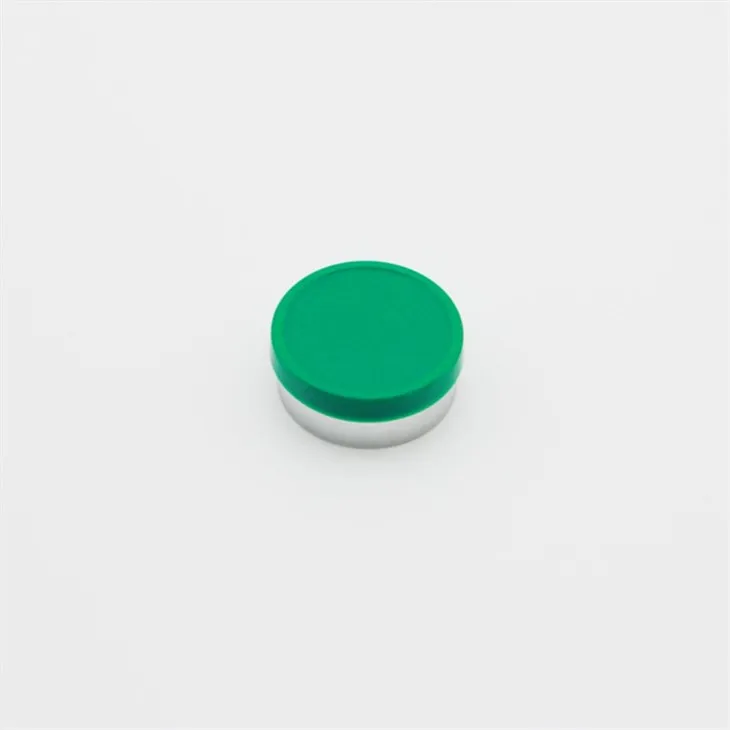
For instance, the 20mm Vial Cap is commonly used for vials that store liquid medications. It is designed to fit precisely on 20mm vials, providing a secure closure. The cap is often made of high - quality materials, such as aluminum and plastic, which are resistant to corrosion and can withstand various environmental conditions.
The Medical Glass Bottles Safety Cap is another type of cap that is specifically designed for medical glass bottles. It offers an additional layer of safety, especially for households with children. These caps are often child - resistant, which means they require a specific mechanism to open, reducing the risk of accidental ingestion.
The 13mm Flip Top Cap is popular for its convenience. It allows for easy opening and closing, making it suitable for products that are used frequently. The flip - top design also helps to keep the contents of the bottle clean and protected.

Advantages of Using Pharmaceutical Caps for Home - Made Medicines
- Sealing and Preservation
One of the primary advantages of using pharmaceutical caps for homemade medicines is their excellent sealing properties. A proper seal helps to preserve the quality of the medicine by preventing the entry of air, moisture, and contaminants. This is crucial for maintaining the potency and effectiveness of the homemade remedies. For example, if you have made a herbal tincture, a well - sealed cap will prevent the alcohol from evaporating, ensuring that the tincture remains potent over time. - Safety
Pharmaceutical caps, especially those with child - resistant features, can enhance the safety of storing homemade medicines at home. This is particularly important if there are children in the household. By using a child - resistant cap, you can reduce the risk of accidental ingestion of the homemade medicine, which could potentially be harmful. - Professional Appearance
Using pharmaceutical caps can give your homemade medicines a more professional and legitimate look. This is not only aesthetically pleasing but can also increase the confidence of those using the homemade remedies. If you are sharing your homemade medicines with friends or family, a well - capped bottle can make a positive impression.
Limitations and Considerations
- Regulatory Compliance
In many regions, there are regulations governing the use of pharmaceutical packaging, including caps. While using pharmaceutical caps for personal, non - commercial use of homemade medicines may be acceptable in some cases, it is important to be aware of the legal requirements. If you plan to distribute your homemade medicines on a larger scale, you may need to ensure that your packaging, including the caps, complies with the relevant regulations. - Compatibility
Not all pharmaceutical caps are compatible with all types of homemade medicines. For example, some caps may react with certain chemicals or ingredients in the medicine, leading to degradation of the cap or the medicine itself. It is essential to consider the chemical composition of your homemade medicine and choose a cap that is compatible. For instance, if your medicine contains strong acids or bases, you need to select a cap made of a material that is resistant to corrosion. - Cost
Pharmaceutical caps are often more expensive than regular caps. This can be a limiting factor, especially if you are making homemade medicines on a budget. However, it is important to weigh the cost against the benefits, such as better sealing and safety.
How to Choose the Right Pharmaceutical Cap for Home - Made Medicines
- Consider the Type of Medicine
If you are making a liquid medicine, you may need a cap that provides a tight seal to prevent leakage. For solid medicines, such as pills or powders, a cap that can keep out moisture and air is crucial. For example, if you are making a herbal powder, a cap with a desiccant insert can help to keep the powder dry. - Size and Fit
Ensure that the cap you choose is the right size for your container. A cap that is too large or too small will not provide an effective seal. Measure the diameter and height of your container accurately and select a cap that is designed to fit it. - Material
Choose a cap made of high - quality materials that are compatible with your medicine. Common materials for pharmaceutical caps include plastic, aluminum, and a combination of both. Plastic caps are often lightweight and cost - effective, while aluminum caps offer better durability and protection.
Contact for Procurement
If you are interested in purchasing pharmaceutical caps for your homemade medicines or other purposes, I am here to assist you. Whether you need the 20mm Vial Cap, Medical Glass Bottles Safety Cap, or 13mm Flip Top Cap, I can provide you with high - quality products that meet your requirements. Please feel free to reach out for procurement and to discuss your specific needs. We can work together to find the best solutions for your packaging requirements.
References
- "Handbook of Pharmaceutical Packaging Technology" by Davis T. O.
- "Pharmaceutical Packaging: Design, Evaluation, and Validation" by Shah N. H.