

Hey there! As a supplier of medical vials, I often get asked if these little containers can be used for long - term storage. It's a great question, and today, I'm gonna break it down for you.
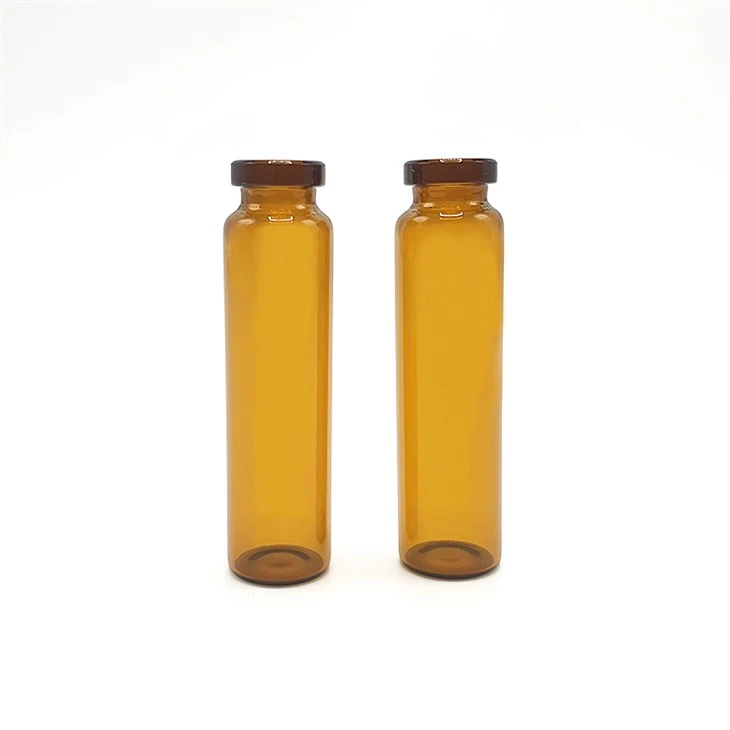
First off, let's talk about what medical vials are. They're small containers, usually made of glass or plastic, designed to hold all sorts of medical substances. You've got your Glass Vial, which is super popular because of its inertness and transparency. You can easily see what's inside without having to open it up. Then there's the Penicillin Bottle 10ml, a classic in the medical world, often used for storing antibiotics and other medications. And don't forget the 1ml Glass Bottle, perfect for holding small amounts of precious or potent substances.
Factors Affecting Long - Term Storage
Now, whether medical vials can be used for long - term storage depends on a few key factors.
Material
- Glass: Glass is a top - notch material for long - term storage. It's chemically inert, which means it won't react with most substances inside the vial. This is crucial because you don't want the container to contaminate the medication. For example, if you're storing a liquid medication, glass won't leach any harmful chemicals into it over time. Also, glass can withstand a wide range of temperatures, making it suitable for different storage conditions. Whether you need to keep something in a cool, dry place or in a freezer, glass vials can handle it.
- Plastic: Plastic vials are lighter and more shatter - resistant than glass. However, they're not always the best choice for long - term storage. Some plastics can interact with certain chemicals, especially over a long period. For instance, plasticizers in some plastics might leach into the stored substance, altering its properties. But there are high - quality plastics that are designed for medical use and can be suitable for long - term storage, especially when storing substances that aren't very reactive.
Sealing
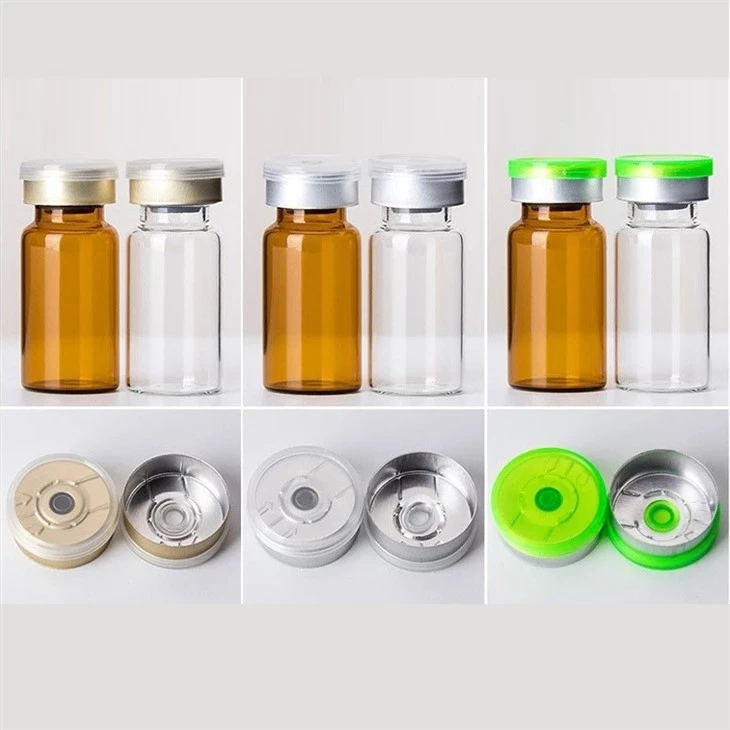
A proper seal is essential for long - term storage. If a vial isn't sealed correctly, air, moisture, and contaminants can get in. This can lead to oxidation, degradation, or contamination of the stored substance. Most medical vials come with rubber stoppers or screw - on caps. Rubber stoppers are great because they create an airtight seal. But they need to be of good quality to prevent leakage over time. Screw - on caps can also work well, as long as they're tightened properly. Some vials even have additional seals, like aluminum crimps over the rubber stoppers, to ensure an extra - tight fit.
Storage Conditions
The environment where you store the vials matters a whole lot.
- Temperature: Different substances have different temperature requirements. Some medications need to be stored at room temperature (around 20 - 25°C), while others need to be kept in the fridge or even frozen. Glass vials can generally handle these temperature changes better than plastic ones. But if you're using plastic vials, make sure they're rated for the temperature range you need.
- Humidity: High humidity can cause problems, especially for substances that are sensitive to moisture. Moisture can get into the vial and cause the medication to clump, degrade, or grow mold. That's why it's important to store vials in a dry place. You might even want to use desiccants in the storage area to absorb any excess moisture.
- Light: Some substances are photosensitive, meaning they can break down when exposed to light. For these substances, it's best to use amber - colored glass vials, which block out most of the harmful light. If you're using clear glass or plastic vials, you'll need to store them in a dark place or use opaque containers to protect them.
Types of Substances and Long - Term Storage
Let's look at some common types of substances and how well they can be stored in medical vials long - term.
Liquids
- Medicinal Liquids: Many liquid medications can be stored in glass vials for a long time, as long as the vial is properly sealed and stored under the right conditions. For example, injectable medications like vaccines or antibiotics can be safely stored in glass vials for their entire shelf - life. However, some liquid medications might have specific storage requirements, like being refrigerated.
- Chemical Reagents: Chemical reagents used in medical laboratories can also be stored in vials. Glass vials are often preferred for storing reactive reagents because of their inertness. But again, proper sealing and storage conditions are crucial to prevent evaporation or degradation.
Solids
- Powders: Powders, such as powdered medications or laboratory chemicals, can be stored in vials. Glass vials are a good choice as they can prevent moisture from getting in and causing the powder to clump. A tight - fitting seal is especially important for powders to prevent them from spilling or getting contaminated.
- Tablets and Capsules: While tablets and capsules are usually packaged in blister packs, they can also be transferred to vials for long - term storage. Glass vials can protect them from moisture and light, extending their shelf - life. However, make sure to label the vial clearly with the name of the medication, dosage, and expiration date.
Benefits of Using Medical Vials for Long - Term Storage
- Protection: As we've discussed, medical vials can protect the stored substances from external factors like air, moisture, light, and contaminants. This helps maintain the quality and efficacy of the medication or chemical over time.
- Organization: Vials come in different sizes and shapes, making it easy to organize your stored substances. You can label each vial clearly, so you know exactly what's inside and when it was stored.
- Portability: Medical vials are small and lightweight, which makes them easy to transport. Whether you're moving medications from one storage facility to another or taking them with you on a trip, vials are a convenient option.
Potential Drawbacks
- Cost: Glass vials can be more expensive than plastic ones, especially if you need a large quantity. And if you're using high - quality plastics or specialized vials with extra features, the cost can also add up.
- Breakage: Glass vials are fragile and can break easily if dropped or mishandled. This can be a problem, especially if the vial contains a hazardous or expensive substance.
So, can medical vials be used for long - term storage? The answer is yes, but with some considerations. If you choose the right material, ensure proper sealing, and store the vials under the appropriate conditions, they can be a great option for long - term storage of a wide range of medical substances.
If you're in the market for medical vials for long - term storage or any other purpose, I'd love to chat with you. We've got a wide selection of high - quality Glass Vial, Penicillin Bottle 10ml, and 1ml Glass Bottle options. Just reach out, and we can discuss your specific needs and find the perfect vials for you.
References
- "Handbook of Pharmaceutical Glass Packaging"
- "Principles of Medical Packaging"