

Can glass vials be recycled? This is a question that has been gaining increasing attention in recent years, as environmental concerns become more prominent in our society. As a supplier of Glass Vial, I am frequently asked about the recyclability of our products. In this blog post, I will delve into the topic of glass vial recycling, exploring the process, benefits, and challenges associated with it.
The Recycling Process of Glass Vials
Glass is one of the most recyclable materials on the planet. The recycling process of glass vials typically begins with collection. Consumers and businesses are encouraged to separate glass vials from other waste and deposit them in designated recycling bins. Once collected, the glass vials are transported to a recycling facility.
At the recycling facility, the glass vials undergo a series of steps. First, they are sorted by color. This is because different colors of glass have different chemical compositions, and mixing them can affect the quality of the recycled glass. After sorting, the glass vials are crushed into small pieces called cullet. The cullet is then washed to remove any impurities such as labels, dirt, and other contaminants.
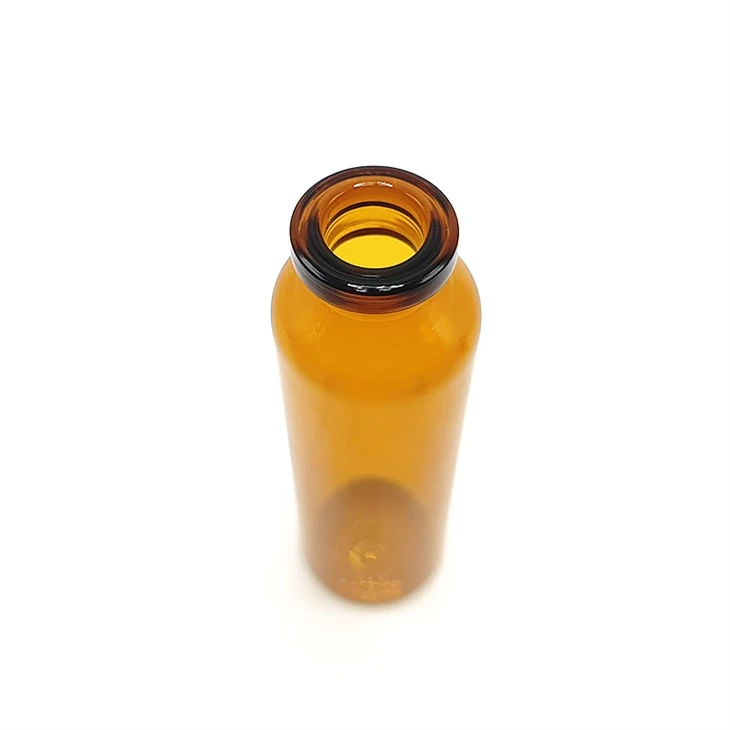
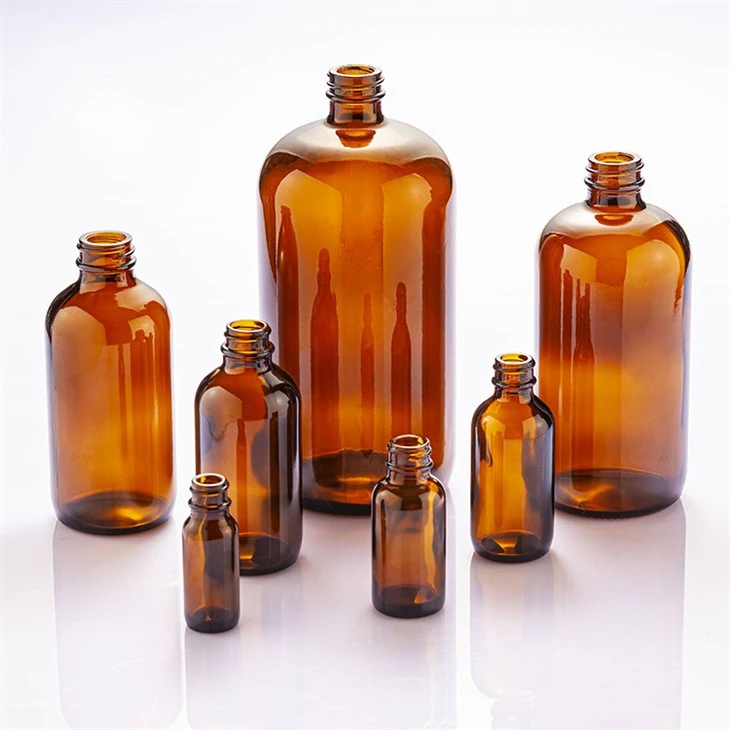
Next, the cleaned cullet is melted in a furnace at high temperatures. The melting point of glass is around 1400 - 1600 degrees Celsius. During the melting process, new raw materials such as sand, soda ash, and limestone may be added to the cullet to adjust the chemical composition and properties of the glass. Once the glass is melted and homogeneous, it can be molded into new glass products, including new glass vials.
Benefits of Recycling Glass Vials
Recycling glass vials offers numerous benefits, both environmental and economic.
Environmental Benefits
- Conservation of Natural Resources: Glass is made from natural materials such as sand, soda ash, and limestone. By recycling glass vials, we can reduce the demand for these raw materials. Mining and extracting these natural resources can have a significant impact on the environment, including habitat destruction, soil erosion, and water pollution. Recycling glass helps to conserve these precious resources and minimize the environmental damage associated with their extraction.
- Energy Savings: Melting recycled glass (cullet) requires less energy than melting raw materials to make new glass. This is because the chemical bonds in recycled glass are already partially broken, so less energy is needed to reach the melting point. According to the Glass Packaging Institute, recycling glass can save up to 30% of the energy required to produce new glass from raw materials. Reducing energy consumption also means lower greenhouse gas emissions, which helps to mitigate climate change.
- Reduction of Landfill Waste: Glass is non - biodegradable, which means it can take thousands of years to break down in landfills. By recycling glass vials, we can divert them from landfills, reducing the amount of waste that needs to be buried. This helps to extend the lifespan of landfills and reduces the environmental problems associated with landfill sites, such as groundwater contamination and the release of methane, a potent greenhouse gas.
Economic Benefits
- Cost Savings: For glass manufacturers, using recycled glass (cullet) can be more cost - effective than using only raw materials. Cullet is often cheaper than virgin raw materials, and the energy savings from melting cullet can also reduce production costs. These cost savings can be passed on to consumers in the form of lower prices for glass products.
- Job Creation: The glass recycling industry creates jobs in various sectors, including collection, sorting, transportation, and processing. Recycling facilities need workers to operate machinery, sort glass, and manage the recycling process. Additionally, the increased demand for recycled glass can stimulate the growth of related industries, such as glass manufacturing, which also creates employment opportunities.
Challenges in Recycling Glass Vials
Despite the many benefits of recycling glass vials, there are also some challenges that need to be addressed.
Contamination
One of the major challenges in glass vial recycling is contamination. Glass vials used in the pharmaceutical and cosmetic industries may contain residues of drugs, chemicals, or cosmetics. These residues can contaminate the recycling process and make it difficult to produce high - quality recycled glass. To overcome this challenge, proper cleaning and decontamination procedures need to be implemented before the glass vials are recycled. This may involve using specialized cleaning agents and equipment to remove all traces of contaminants.
Collection and Sorting
Collecting and sorting glass vials can be a complex and costly process. In some areas, there may not be sufficient recycling infrastructure or collection programs for glass vials. Additionally, sorting glass vials by color and type can be labor - intensive and requires specialized equipment. To improve the collection and sorting efficiency, more investment is needed in recycling infrastructure, and public awareness campaigns should be launched to encourage consumers to recycle glass vials properly.
Market Demand
The market demand for recycled glass vials can also be a challenge. Some manufacturers may prefer to use new glass products due to concerns about the quality and consistency of recycled glass. To increase the market demand for recycled glass vials, it is important to ensure that the recycled glass meets the same quality standards as new glass. This may require more research and development to improve the recycling technology and quality control processes.
Our Role as a Glass Vial Supplier
As a Glass Vial supplier, we are committed to promoting the recycling of our products. We work closely with our customers to provide information on how to recycle glass vials properly. We also support the development of recycling infrastructure and collection programs in the areas where our products are sold.
In addition, we are constantly exploring ways to improve the recyclability of our glass vials. For example, we are researching new glass formulations that are easier to recycle and have better chemical resistance to reduce the risk of contamination. We also encourage our customers to return used glass vials to us for recycling, and we offer incentives for those who participate in our recycling programs.
The Future of Glass Vial Recycling
The future of glass vial recycling looks promising. With increasing environmental awareness and the development of new recycling technologies, the recycling rate of glass vials is expected to increase in the coming years. Governments and organizations around the world are implementing policies and initiatives to promote recycling and reduce waste. For example, some countries have introduced extended producer responsibility (EPR) programs, which require manufacturers to take responsibility for the entire life cycle of their products, including recycling and disposal.
In addition, the demand for sustainable products is growing among consumers. More and more people are willing to choose products that are environmentally friendly and recyclable. This trend is likely to drive the market demand for recycled glass vials and encourage glass vial suppliers to invest in recycling and sustainable manufacturing practices.
Conclusion
In conclusion, glass vials can be recycled, and recycling them offers significant environmental and economic benefits. Although there are some challenges in the recycling process, such as contamination, collection, and market demand, these challenges can be overcome through technological innovation, infrastructure development, and public awareness campaigns.
As a Glass Vial supplier, we are dedicated to playing our part in promoting glass vial recycling. We believe that by working together with our customers, recycling facilities, and other stakeholders, we can create a more sustainable future for the glass vial industry.
If you are interested in purchasing high - quality Glass Vial, Clear Glass Bottle, or Glass Medical Vials, please feel free to contact us for more information and to discuss your specific requirements. We look forward to establishing a long - term partnership with you.
References
- Glass Packaging Institute. (n.d.). Benefits of Glass Recycling.
- Environmental Protection Agency. (n.d.). Recycling Basics.