

Can glass medical vials be used in laboratory settings? Well, let me tell you, as a supplier of Glass Medical Vials, I've got a lot to say on this topic.
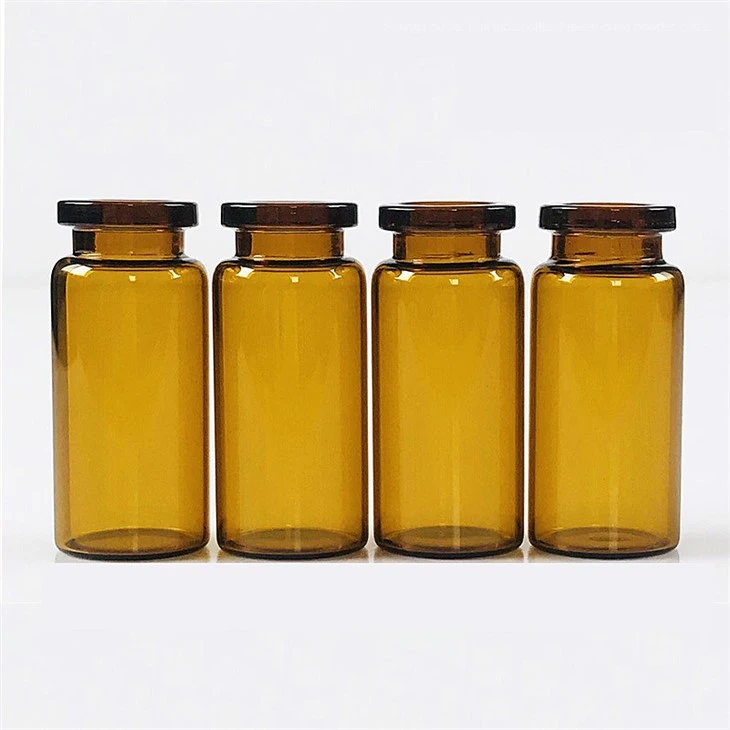

First off, glass medical vials are like the unsung heroes of the lab. They're super versatile and have a whole bunch of benefits that make them a top choice for all sorts of lab work.
One of the big advantages is their chemical resistance. Glass is pretty much inert to a wide range of chemicals. This means that when you're storing or working with different substances in the lab, you don't have to worry about the glass reacting with the chemicals and contaminating your samples. For example, if you're dealing with strong acids or bases, a glass medical vial can hold up just fine. It won't break down or leach any unwanted substances into your experiment, which is crucial for getting accurate results.
Another great thing about glass vials is their transparency. You can easily see what's inside the vial without having to open it. This is really handy when you're monitoring a reaction or just need to check the level of a liquid. You can quickly tell if there are any changes in color, clarity, or the presence of precipitates. It's like having a window into your experiment.
Glass vials also offer excellent protection against light. Some substances are light-sensitive, and exposure to light can cause them to degrade or change their properties. That's where glass comes in. You can choose different types of glass, like amber or Blue Glass Bottle, which can block out certain wavelengths of light. This helps to keep your samples stable and maintain their integrity over time.
Now, let's talk about the different sizes of glass medical vials. We offer a wide range of sizes to suit various lab needs. For example, the 1ml Glass Bottle is perfect for storing small amounts of precious samples or reagents. It's great for things like DNA samples or high - value chemicals where you don't need a large volume.
On the other hand, if you need to store larger quantities, our 60 Ml Glass Bottles are a great option. They can hold more liquid, which is useful for things like storing buffers or solvents that you use in larger amounts during your experiments.
In addition to their practical uses, glass medical vials are also easy to clean and sterilize. You can use standard laboratory cleaning procedures, like washing with detergent and rinsing thoroughly, followed by autoclaving or other sterilization methods. This ensures that the vials are free from contaminants and can be reused safely.
However, it's not all sunshine and rainbows. Glass vials do have a few drawbacks. One of the main ones is that they're fragile. They can break if they're dropped or handled roughly. This can be a problem, especially if you're working with hazardous or expensive substances. If a vial breaks, you could lose your sample, and there's also a risk of injury from the broken glass.
Another issue is the cost. Glass can be more expensive than some other materials, like plastic. But when you consider the long - term benefits, such as chemical resistance and reusability, the cost can be justified. In many cases, the quality and reliability of glass vials make them worth the extra investment.
When it comes to choosing the right glass medical vial for your lab, there are a few things to keep in mind. First, think about the type of substances you'll be storing or working with. If they're reactive or light - sensitive, you'll need to choose a vial with the appropriate properties.
You also need to consider the size and shape of the vial. Make sure it fits your equipment, like centrifuges or storage racks. And don't forget about the closure. There are different types of closures available, such as screw caps, stoppers, or crimp caps. Choose one that provides a good seal to prevent leakage and contamination.
In conclusion, glass medical vials are definitely a viable option for laboratory settings. They offer many advantages in terms of chemical resistance, transparency, light protection, and reusability. While they do have some drawbacks, like fragility and cost, the benefits often outweigh the negatives.
If you're in the market for high - quality glass medical vials for your lab, we'd love to hear from you. We have a wide selection of vials to meet your specific needs, and our team is always ready to help you make the right choice. Whether you're a small research lab or a large pharmaceutical company, we can provide you with the products and support you need. So, don't hesitate to reach out and start a conversation about your procurement needs.
References
- General knowledge in laboratory glassware and materials science.
- Industry standards and best practices for using glass vials in laboratories.