

Can glass medical vials be used for storing radioactive substances? This is a question that has been on the minds of many in the medical and scientific communities. As a supplier of Glass Medical Vials, I have had numerous inquiries regarding the suitability of our products for this purpose. In this blog post, I will delve into the scientific aspects of using glass medical vials for storing radioactive substances, exploring the advantages, limitations, and safety considerations.
The Properties of Glass Medical Vials
Glass is a popular material for medical vials due to its unique properties. It is inert, meaning it does not react with most substances, which is crucial for maintaining the integrity of the stored contents. Glass is also transparent, allowing for easy visual inspection of the vial's contents. Additionally, glass can withstand high temperatures and is resistant to chemical corrosion, making it suitable for a wide range of applications.
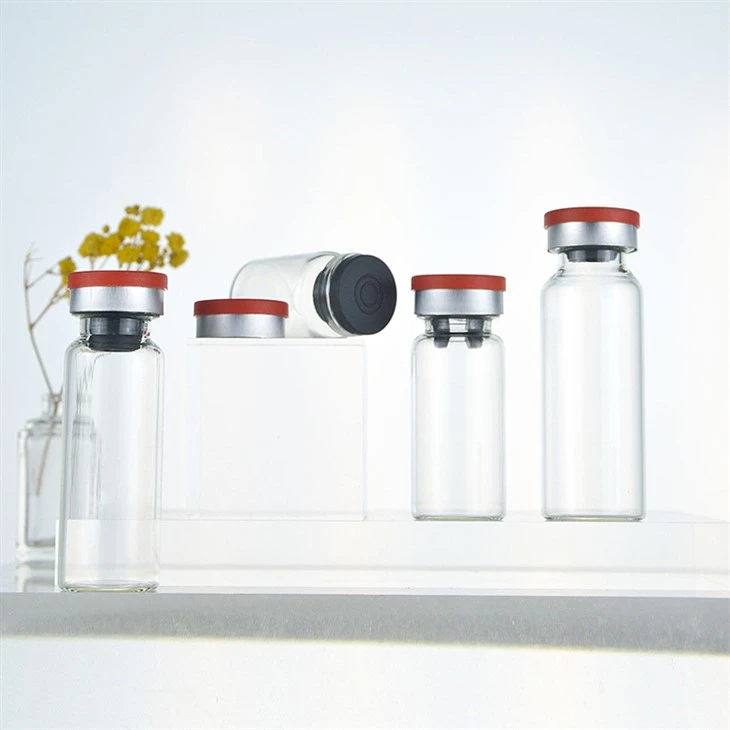
Our company offers a variety of glass medical vials, including Medical Vial with Lid, Pharmacy Medicine Bottles, and 10ml Glass Vial with Rubber Stopper. These vials are made from high-quality glass that meets strict industry standards, ensuring their reliability and performance.
Advantages of Using Glass Medical Vials for Storing Radioactive Substances
One of the main advantages of using glass medical vials for storing radioactive substances is their ability to provide a physical barrier. Glass is a dense material that can effectively block certain types of radiation, such as alpha and beta particles. This helps to protect the surrounding environment and personnel from exposure to harmful radiation.
Another advantage is the chemical stability of glass. Radioactive substances can be highly reactive, and any interaction with the storage container could lead to the release of radiation or the degradation of the substance. Glass, being inert, minimizes the risk of such interactions, ensuring the long-term stability of the stored radioactive material.
In addition, glass vials are relatively easy to clean and sterilize. This is important for maintaining a sterile environment and preventing the contamination of the radioactive substance. Regular cleaning and sterilization can also help to extend the lifespan of the vial and ensure its continued effectiveness.

Limitations of Using Glass Medical Vials for Storing Radioactive Substances
While glass medical vials offer many advantages, they also have some limitations when it comes to storing radioactive substances. One of the main limitations is their inability to block gamma radiation. Gamma rays are highly energetic and can penetrate most materials, including glass. To provide adequate protection against gamma radiation, additional shielding, such as lead or concrete, is required.
Another limitation is the potential for glass to break or crack. Radioactive substances can generate heat, and if the vial is not designed to withstand thermal stress, it may crack or shatter. This could lead to the release of the radioactive material and pose a significant safety hazard. Therefore, it is important to choose vials that are specifically designed for high-temperature applications and to handle them with care.
Safety Considerations
When using glass medical vials for storing radioactive substances, safety should be the top priority. Here are some important safety considerations to keep in mind:
- Proper shielding: As mentioned earlier, glass vials alone are not sufficient to block gamma radiation. Therefore, it is essential to use appropriate shielding materials, such as lead or concrete, to protect against gamma rays. The shielding should be designed to meet the specific requirements of the radioactive substance being stored.
- Secure storage: Radioactive substances should be stored in a secure location that is inaccessible to unauthorized personnel. The storage area should be well-ventilated and equipped with appropriate safety features, such as radiation detectors and emergency response equipment.
- Regular inspections: Regular inspections of the vials and the storage area are essential to ensure their integrity and safety. Any signs of damage or deterioration should be addressed immediately, and the vials should be replaced if necessary.
- Training and education: All personnel involved in handling radioactive substances should receive proper training and education on the safe use and storage of these materials. This includes understanding the risks associated with radiation exposure, the proper use of safety equipment, and the emergency response procedures.
Conclusion
In conclusion, glass medical vials can be used for storing certain types of radioactive substances, but they have some limitations. While glass provides a physical barrier against alpha and beta particles and offers chemical stability, it is not effective in blocking gamma radiation. Therefore, additional shielding is required to ensure the safety of the surrounding environment and personnel.
When considering using glass medical vials for storing radioactive substances, it is important to carefully evaluate the specific requirements of the application and to choose vials that are designed for high-temperature applications and can withstand thermal stress. Additionally, strict safety measures should be implemented to minimize the risk of radiation exposure and to ensure the proper handling and storage of the radioactive material.
If you are interested in purchasing glass medical vials for storing radioactive substances or have any questions about our products, please feel free to contact us. We are a leading supplier of high-quality glass medical vials and can provide you with the information and support you need to make an informed decision.
References
- International Atomic Energy Agency (IAEA). Safety Standards for the Storage of Radioactive Materials. Vienna: IAEA, 2011.
- National Council on Radiation Protection and Measurements (NCRP). Limitation of Exposure to Ionizing Radiation. Bethesda, MD: NCRP, 2009.
- American Society for Testing and Materials (ASTM). Standard Specification for Glass Containers for Pharmaceutical Use. West Conshohocken, PA: ASTM, 2019.