

As a supplier of aluminum caps, I often receive inquiries about the suitability of our products for various applications. One common question that arises is whether aluminum caps can be used for oil - based products. In this blog post, I will delve into this topic, exploring the properties of aluminum caps and their compatibility with oil - based substances.
Properties of Aluminum Caps
Aluminum is a versatile metal that offers several advantages when used in cap manufacturing. First and foremost, aluminum is lightweight yet strong. This makes it easy to handle during the packaging process while still providing adequate protection for the contents of the container. The strength of aluminum caps ensures that they can withstand the rigors of transportation and storage without deforming or breaking.
Another significant property of aluminum is its corrosion resistance. Aluminum forms a thin oxide layer on its surface when exposed to air, which acts as a protective barrier against corrosion. This property is crucial when dealing with oil - based products, as many oils can contain chemicals or impurities that might cause other materials to corrode over time. The corrosion - resistant nature of aluminum caps helps to maintain the integrity of the packaging and prevent contamination of the oil - based product.
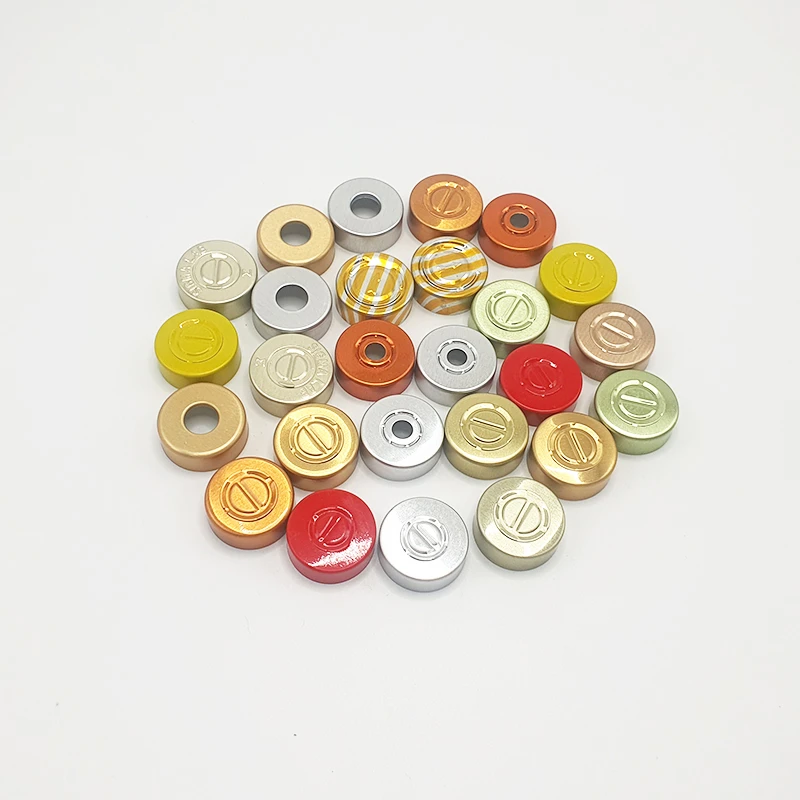
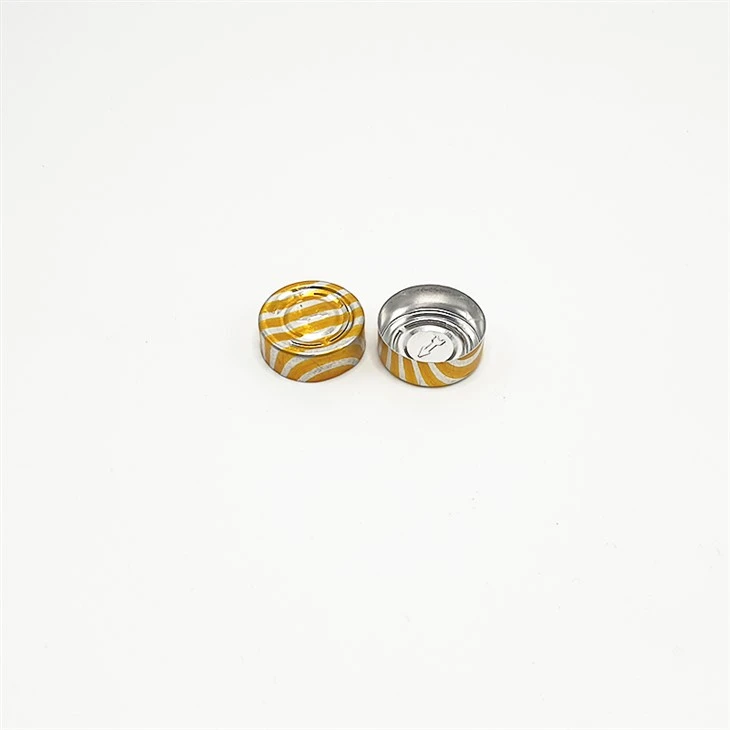
Aluminum is also highly malleable, which allows for the production of caps in a wide range of shapes and sizes. Whether you need a 13mm Aluminum Cap for a small vial or an Aluminum Cap 28mm for a larger container, aluminum can be easily formed to meet your specific requirements. This flexibility in design is beneficial for different types of oil - based products, as they come in various container sizes and shapes.
Compatibility with Oil - Based Products
When it comes to the compatibility of aluminum caps with oil - based products, several factors need to be considered. One of the primary concerns is the chemical interaction between the aluminum and the oil. In general, aluminum is relatively inert and does not react readily with most oils. However, some oils may contain additives or contaminants that could potentially react with the aluminum over time.
For example, certain essential oils or oils with high acid content might have a more aggressive chemical nature. In such cases, it is important to conduct compatibility tests to ensure that there is no adverse reaction between the oil and the aluminum cap. These tests can involve exposing the aluminum cap to the oil for an extended period under controlled conditions and monitoring for any signs of corrosion, discoloration, or changes in the properties of the oil.
Another aspect to consider is the sealing performance of the aluminum cap. A proper seal is essential to prevent the oil from leaking out and to protect it from oxidation and contamination. Aluminum caps can be designed with various sealing mechanisms, such as lined caps or caps with gaskets, to ensure a tight and reliable seal. The lining material used in the cap can also play a crucial role in enhancing the compatibility with oil - based products. For instance, a food - grade polyethylene lining can provide an additional barrier between the aluminum and the oil, reducing the risk of any chemical interaction.
Applications in the Oil Industry
Aluminum caps are widely used in the oil industry for a variety of applications. In the automotive sector, they are used to seal oil filters and lubricant containers. The oil in these applications is typically a mineral - based or synthetic oil, and aluminum caps provide a reliable and cost - effective solution for preventing leaks and maintaining the quality of the oil.
In the cosmetic and personal care industry, many oil - based products such as facial oils, body oils, and hair oils are packaged with aluminum caps. These caps not only protect the product from contamination but also add a touch of elegance to the packaging. For example, Medicinal Aluminum Cap are often used for pharmaceutical oil - based formulations, where the integrity of the packaging is of utmost importance to ensure the safety and efficacy of the product.
Advantages of Using Aluminum Caps for Oil - Based Products
There are several advantages to using aluminum caps for oil - based products. Firstly, as mentioned earlier, their lightweight nature reduces shipping costs compared to heavier materials. This is especially important for large - scale production and distribution of oil - based products.
Secondly, aluminum is a recyclable material. In today's environmentally conscious world, using recyclable packaging is a significant advantage. Customers are increasingly looking for products that are packaged in an eco - friendly way, and aluminum caps can help meet this demand. Recycling aluminum requires significantly less energy compared to producing new aluminum, making it a more sustainable choice for packaging.
Thirdly, aluminum caps can be easily printed or labeled. This allows for branding and product information to be clearly displayed on the cap, enhancing the visibility and marketability of the oil - based product. Whether it's a logo, product name, or usage instructions, aluminum caps provide a suitable surface for high - quality printing.
Considerations for Using Aluminum Caps
While aluminum caps offer many benefits for oil - based products, there are a few considerations to keep in mind. As mentioned before, compatibility testing is essential, especially for oils with unique chemical compositions. It is also important to ensure that the aluminum caps are stored properly before use. Exposure to high humidity or extreme temperatures can potentially affect the quality of the caps and their performance.
In addition, the cost of aluminum caps can vary depending on factors such as size, design, and quantity. When considering using aluminum caps for your oil - based products, it is important to factor in the cost - effectiveness of the solution. However, in many cases, the long - term benefits of using aluminum caps, such as reduced product loss due to leakage and enhanced product shelf - life, can outweigh the initial investment.
Conclusion
In conclusion, aluminum caps can be a suitable option for oil - based products in many cases. Their properties such as lightweight, corrosion resistance, and malleability make them a versatile choice for different types of oil - based applications. However, it is crucial to conduct compatibility tests and consider the specific requirements of your oil - based product before making a decision.
If you are interested in using aluminum caps for your oil - based products or have any questions about our 13mm Aluminum Cap, Medicinal Aluminum Cap, Aluminum Cap 28mm or other aluminum cap products, please feel free to contact us for further discussion and procurement negotiation. We are committed to providing high - quality aluminum cap solutions tailored to your specific needs.
References
- "Aluminum: Properties and Applications" - A technical handbook on aluminum published by a leading metallurgy institute.
- "Packaging Materials for Oil - Based Products" - A research paper from a packaging industry journal.