

Can a blue glass bottle be used for storing juice?
As a supplier of blue glass bottles, I often encounter questions from customers regarding the suitability of these bottles for various storage purposes, especially for storing juice. In this blog post, I will delve into the scientific aspects and practical considerations to answer the question: Can a blue glass bottle be used for storing juice?
The Advantages of Blue Glass Bottles for Juice Storage
1. Light Protection
One of the primary advantages of blue glass bottles is their ability to protect the contents from harmful light. Ultraviolet (UV) and visible light can cause chemical reactions in juice, leading to the degradation of vitamins, pigments, and flavors. Blue glass acts as a filter, blocking a significant portion of UV light and some visible light. This helps to preserve the nutritional value and sensory qualities of the juice for a longer period. For example, vitamin C, which is abundant in many fruit juices, is highly sensitive to light. By using a blue glass bottle, the rate of vitamin C degradation can be significantly reduced, ensuring that the juice retains its nutritional benefits.
2. Chemical Inertness
Glass is generally considered a chemically inert material. Unlike some plastics or metal containers, blue glass bottles do not react with the juice stored inside. This means that there is no risk of the bottle leaching harmful chemicals into the juice, which could affect its safety and taste. Glass is also resistant to corrosion, so it can withstand the acidic nature of many fruit juices without deteriorating. This makes blue glass bottles a reliable choice for long - term juice storage.
3. Aesthetic Appeal
Blue glass bottles have an aesthetically pleasing appearance that can enhance the overall presentation of the juice. The rich blue color gives a sense of sophistication and quality, which can be attractive to consumers. In addition, the transparency of glass allows the consumer to see the color and clarity of the juice, which can be an important factor in their purchasing decision.
Considerations When Using Blue Glass Bottles for Juice Storage
1. Oxygen Permeation
Although glass is relatively impermeable to oxygen, it is not completely airtight. Over time, a small amount of oxygen can penetrate the bottle, which can lead to oxidation of the juice. Oxidation can cause the juice to develop off - flavors, lose its color, and reduce its nutritional value. To minimize oxygen permeation, it is important to use bottles with a good seal. Some blue glass bottles come with screw - top caps or cork stoppers that can provide a tight seal, reducing the entry of oxygen.
2. Temperature Sensitivity
Juice stored in blue glass bottles can be sensitive to temperature changes. Extreme heat can cause the juice to expand, which may put pressure on the bottle and increase the risk of breakage. On the other hand, freezing temperatures can cause the juice to expand and potentially shatter the bottle. It is recommended to store blue glass bottles of juice at a moderate temperature, ideally between 2 - 8°C (36 - 46°F) to maintain the quality of the juice and the integrity of the bottle.
3. Cleaning and Sanitization
Proper cleaning and sanitization of blue glass bottles are crucial before using them to store juice. Any residual dirt, bacteria, or mold can contaminate the juice and cause spoilage. Glass bottles can be washed with warm, soapy water and then rinsed thoroughly. For more thorough sanitization, they can be soaked in a solution of diluted bleach or placed in a dishwasher on a high - temperature cycle.

Comparison with Other Storage Options
1. Plastic Bottles
Plastic bottles are a common alternative to glass for juice storage. While plastic is lightweight and less prone to breakage, it has some drawbacks. Some plastics may leach chemicals into the juice, especially when exposed to heat or acidic substances. Plastic is also more permeable to oxygen and light compared to glass, which can lead to faster degradation of the juice. Blue glass bottles, on the other hand, offer better protection against these factors, ensuring a longer shelf - life for the juice.
2. Metal Cans
Metal cans are another option for juice storage. They are generally airtight and provide good protection against light. However, some metal cans are lined with a plastic coating, which may pose similar concerns as plastic bottles. In addition, metal cans can react with acidic juices, leading to the formation of metal ions in the juice, which can affect its taste and safety. Blue glass bottles, being chemically inert, do not have these issues.
Our Blue Glass Bottle Products
At our company, we offer a wide range of blue glass bottles suitable for juice storage. Our bottles come in various sizes and shapes to meet different customer needs. Whether you are a small - scale juice producer or a large - scale beverage company, we have the right bottle for you.
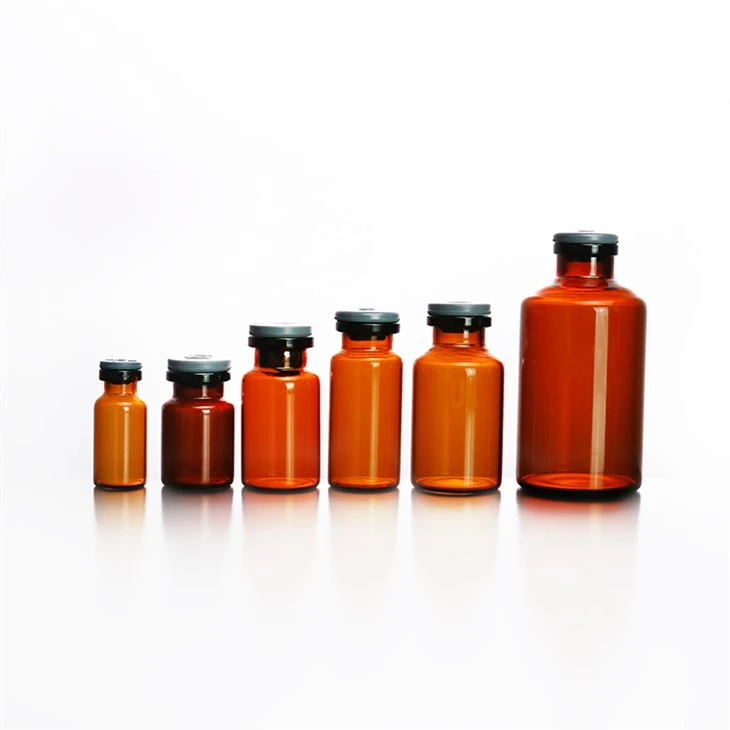
In addition to juice bottles, we also supply other types of glass products, such as Medical Vial, Glass Medical Vials, and Pharmacy Vials and Caps. These products are made with high - quality glass and meet strict quality standards.
Conclusion
In conclusion, blue glass bottles can be an excellent choice for storing juice. Their ability to protect the juice from light, their chemical inertness, and their aesthetic appeal make them a preferred option for many juice producers and consumers. However, it is important to consider factors such as oxygen permeation, temperature sensitivity, and proper cleaning when using blue glass bottles for juice storage.
If you are interested in purchasing blue glass bottles for your juice storage needs, please feel free to contact us for more information. We are committed to providing high - quality products and excellent customer service. Our team of experts can help you choose the right bottle for your specific requirements and guide you through the purchasing process. Let's start a conversation and explore how our blue glass bottles can enhance your juice storage and presentation.
References
- "Food Packaging: Principles and Practice" by Donald S. Heldman and Jozef H. Hotchkiss.
- "Handbook of Food Science, Technology, and Engineering" edited by Y.H. Hui.
- Research papers on the effect of light and oxygen on juice quality from scientific journals such as Journal of Food Science and Food Chemistry.