

Hey there! As a supplier of blue glass bottles, I often get asked if these nifty little containers can be used for storing essential oils. Well, let's dive right in and find out!
First off, let's talk about why essential oils need proper storage. Essential oils are highly concentrated plant extracts packed with all sorts of amazing properties. But they're also pretty sensitive. They can be affected by light, heat, and oxygen, which can cause them to degrade over time. When that happens, they lose their potency and might even start to smell funky.
Now, let's look at blue glass bottles. Blue glass has some cool features that make it a great candidate for storing essential oils. The blue tint acts as a shield against UV light. You see, UV rays can break down the chemical compounds in essential oils, changing their chemical structure and making them less effective. With blue glass, it blocks a good amount of these harmful rays, helping to preserve the quality of the oils inside.
Another advantage of blue glass is its durability. It's less likely to react with the essential oils compared to some other materials. Plastic containers, for example, can sometimes leach chemicals into the oils, which is a big no - no. And glass is generally more resistant to scratches and dents, so it can keep your precious essential oils safe and sound.
But it's not just about the color of the glass. The type of bottle also matters. We offer different kinds of blue glass bottles that can be perfect for storing essential oils. For instance, our Medical Vial is a small, sturdy option. It's great for storing small amounts of essential oils, like when you're making your own custom blends or just want to keep a sample on hand.
If you need a bit more capacity, our 10ml Glass Bottle is a popular choice. It's just the right size for many essential oil applications, whether you're using them for aromatherapy, massage, or adding them to your skincare products.
And then there's our Penicillin Bottle. These classic - looking bottles have a nice, tight seal, which is crucial for keeping oxygen out. Oxygen can cause oxidation in essential oils, leading to a shorter shelf - life. The penicillin bottle's seal helps to prevent this, ensuring that your essential oils stay fresh for longer.
However, it's not all sunshine and rainbows. While blue glass is great, it's not a magic solution. You still need to store your essential oil - filled bottles in a cool, dark place. Even with the blue glass blocking some UV light, direct sunlight and high temperatures can still damage the oils. So, keep them away from windowsills and hot spots in your house.
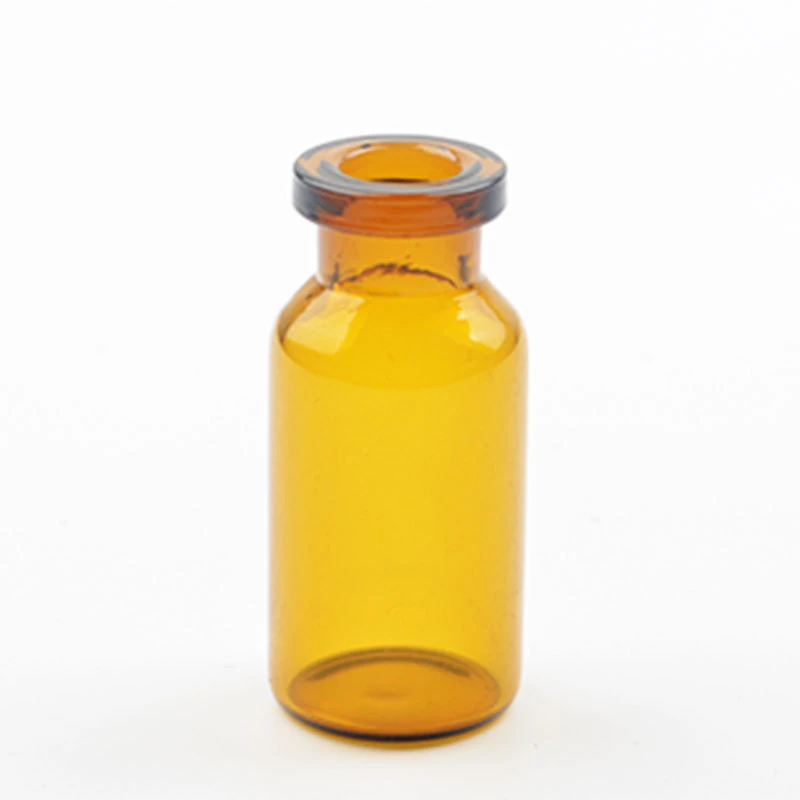

Also, make sure to keep the bottles tightly closed. Every time you open the bottle, you're letting in oxygen and increasing the risk of oxidation. And when you're dispensing the essential oils, try to do it as carefully as possible to minimize exposure.
If you're thinking about using our blue glass bottles for storing essential oils, here are a few tips. First, clean the bottles thoroughly before use. You can use mild soap and warm water, and then rinse them well to make sure there's no soap residue left behind. Let them dry completely before filling them with essential oils.
Second, label the bottles clearly. Different essential oils have different properties and uses, so it's important to know what's inside each container. You can use labels or markers to write down the name of the essential oil, the date it was filled, and any other relevant information.
So, can a blue glass bottle be used for storing essential oils? Absolutely! With its UV - blocking properties, durability, and the variety of options we offer like Medical Vial, 10ml Glass Bottle, and Penicillin Bottle, it's a great choice.
If you're in the market for high - quality blue glass bottles for your essential oil storage needs, get in touch with us. We're here to help you find the perfect bottles for your situation. Whether you're a small - scale essential oil maker, a business looking to package your products, or just someone who loves using essential oils at home, we've got you covered.
References:
- "The Complete Book of Essential Oils and Aromatherapy" by Valerie Ann Worwood
- Various studies on the effects of light and oxygen on essential oil degradation from scientific journals in the field of aromatherapy and chemistry.