

As a supplier of 10ml glass bottles, I often get asked whether these petite containers are suitable for storing food extracts. In this blog post, I'll delve into the science behind using 10ml glass bottles for food extracts, exploring their advantages, potential limitations, and the factors to consider when making this choice.
The Advantages of Using 10ml Glass Bottles for Food Extracts
Chemical Inertness
One of the primary reasons glass is an excellent choice for storing food extracts is its chemical inertness. Glass does not react with most food extracts, which means it won't leach harmful chemicals into the product. This is crucial for maintaining the purity and safety of the food extracts. Whether it's a delicate vanilla extract or a potent herbal extract, the glass bottle will keep the contents free from contamination.
Preservation of Flavor and Aroma
Glass is impermeable to air, light, and moisture, which are the main enemies of food extracts. By preventing the entry of these elements, glass bottles help preserve the flavor and aroma of the extracts. Unlike plastic containers, which can absorb and transfer odors, glass keeps the original taste and smell of the food extracts intact. This is especially important for high - quality extracts that are prized for their unique sensory profiles.
Visibility
Another advantage of glass bottles is their transparency. It allows users to easily see the color, clarity, and quantity of the food extract inside. This is not only convenient for consumers but also for manufacturers who need to monitor the quality of their products during storage and transportation. With a 10ml glass bottle, it's easy to detect any signs of spoilage or sedimentation.
Reusability and Sustainability
Glass is a highly reusable material. Once the food extract is used up, the 10ml glass bottle can be thoroughly cleaned and reused for other purposes. This reduces waste and makes glass a more sustainable option compared to single - use plastic containers. Additionally, glass is recyclable, which further contributes to environmental conservation.
Potential Limitations
Fragility
The main drawback of glass bottles is their fragility. They are more prone to breakage compared to plastic or metal containers. During transportation and handling, extra care must be taken to prevent the bottles from being dropped or knocked over. However, with proper packaging and protective measures, such as bubble wrap or foam inserts, the risk of breakage can be significantly reduced.
Cost
Glass bottles are generally more expensive than plastic bottles. The manufacturing process of glass involves high temperatures and specialized equipment, which drives up the cost. However, for high - end food extracts where quality and preservation are of utmost importance, the additional cost may be justified.
Factors to Consider When Using 10ml Glass Bottles for Food Extracts
Type of Food Extract
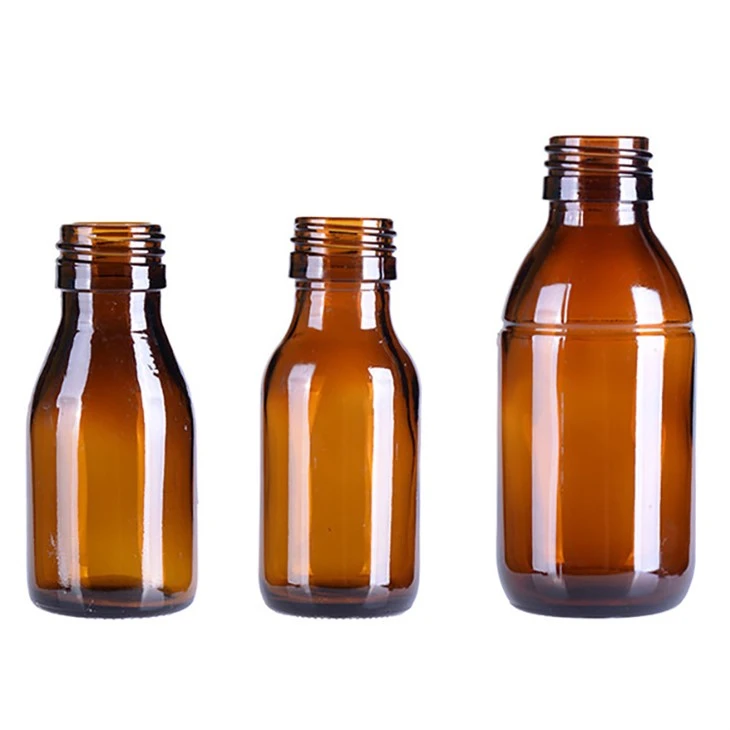
Different food extracts have different properties, and these need to be considered when choosing a storage container. For example, acidic extracts may require a glass bottle with a special coating to prevent corrosion. Some extracts may also be sensitive to light, in which case an amber - colored glass bottle, like the 20ml Amber Glass Bottle Medicine, can provide better protection.
Storage Conditions
The storage conditions of the food extracts also play a crucial role. If the extracts are to be stored in a cool, dark place, a clear 10ml glass bottle may be sufficient. However, if they are exposed to direct sunlight or high temperatures, a more protective bottle is needed.
Labeling and Sealing
Proper labeling and sealing are essential for food extracts stored in 10ml glass bottles. The label should include information about the contents, expiration date, and usage instructions. A good seal is also necessary to prevent leakage and contamination.
Other Suitable Glass Bottle Options
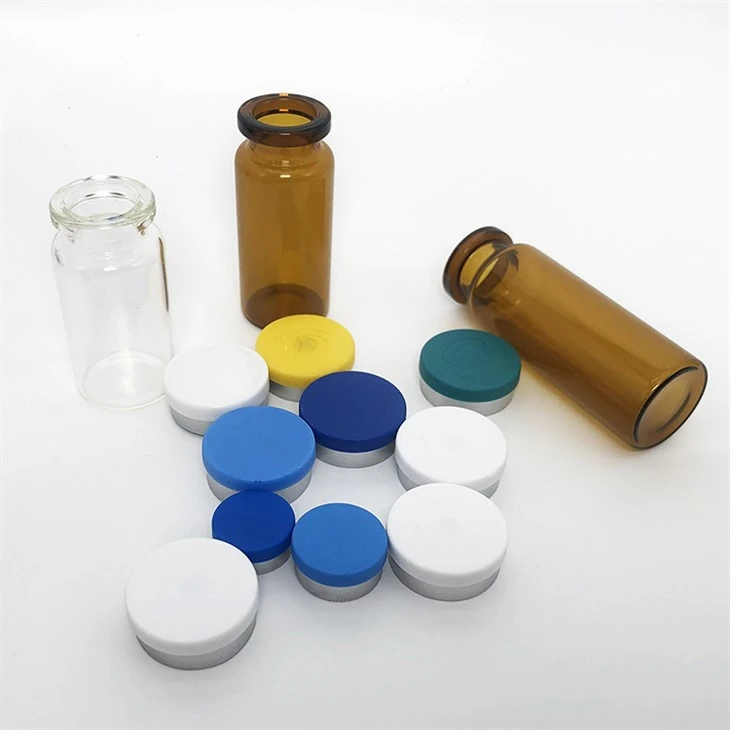
If 10ml is not the right size for your food extracts, we also offer a range of other glass bottle options. For smaller quantities, our 2ml Glass Bottle is a great choice. It's perfect for samples or high - concentration extracts. On the other hand, if you need a larger container, the 20ml Amber Glass Bottle Medicine can hold more product while still providing excellent protection.
Conclusion
In conclusion, a 10ml glass bottle can be an excellent choice for storing food extracts. Its chemical inertness, ability to preserve flavor and aroma, visibility, and sustainability make it a preferred option for many manufacturers and consumers. While there are some limitations such as fragility and cost, these can be managed with proper handling and packaging.
If you're in the market for high - quality glass bottles for your food extracts, we'd love to hear from you. We offer a wide range of 10ml glass bottles, as well as other sizes and styles to meet your specific needs. Contact us to start a procurement discussion and find the perfect glass bottle solution for your food extracts.
References
- "Food Packaging: Principles and Practice" by Yam, K. L., & Lee, S. Y.
- "Handbook of Food Preservation" by M. S. Rahman