

Can 1 ml vials be used for herbal extracts? This is a question that has been on the minds of many in the herbal medicine and pharmaceutical industries. As a supplier of 1 Ml Vials, I've had the opportunity to delve deep into this topic, and I'm excited to share my insights with you.
Understanding Herbal Extracts
Herbal extracts are concentrated forms of herbs, obtained through various extraction methods such as maceration, percolation, or distillation. These extracts contain the active compounds of the herbs, which are responsible for their therapeutic properties. They are used in a wide range of applications, including traditional medicine, dietary supplements, and cosmetics.
The properties of herbal extracts can vary greatly depending on the type of herb, the extraction method, and the solvent used. Some herbal extracts are highly viscous, while others are more liquid. Some may contain volatile compounds that are sensitive to light, heat, or oxygen. These factors need to be considered when choosing a suitable container for herbal extracts.
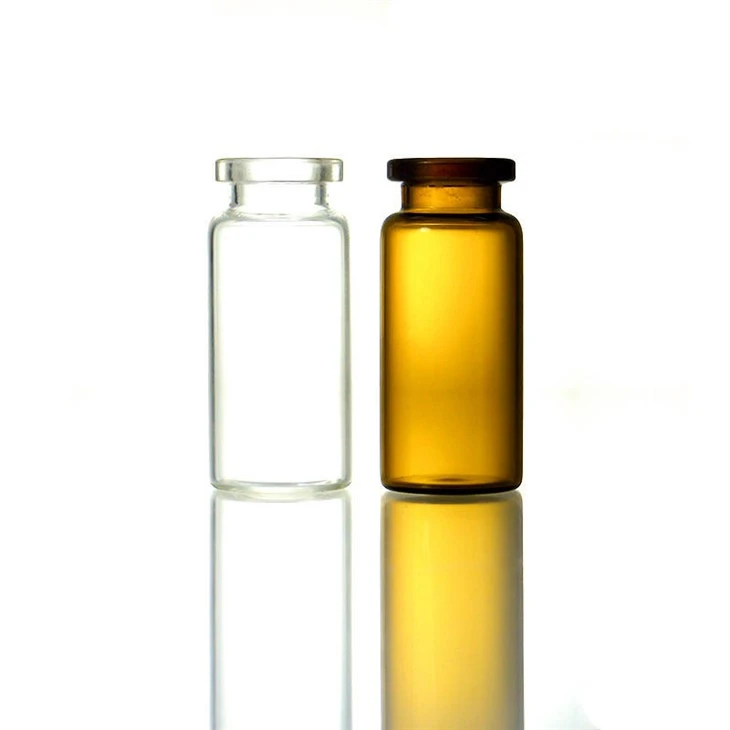

Advantages of Using 1 ml Vials for Herbal Extracts
- Precise Dosage: One of the main advantages of using 1 ml vials for herbal extracts is the ability to provide precise dosages. In herbal medicine, the dosage of an extract can be critical for its effectiveness and safety. 1 ml vials allow for accurate measurement and dispensing of the extract, ensuring that patients receive the correct amount of the active compounds.
- Portability: 1 ml vials are small and lightweight, making them easy to carry around. This is especially useful for patients who need to take their herbal extracts on the go. Whether it's for travel, work, or daily activities, 1 ml vials can be conveniently stored in a pocket, purse, or backpack.
- Preservation: Glass vials, such as the ones we supply, offer excellent protection for herbal extracts. Glass is inert, which means it does not react with the contents of the vial. This helps to preserve the quality and stability of the herbal extract over time. Additionally, glass vials can be sealed tightly, preventing the entry of air, light, and moisture, which can degrade the extract.
- Customization: 1 ml vials can be customized to meet the specific needs of different herbal extracts. They can be available in different shapes, colors, and closures, allowing for branding and differentiation. For example, some vials may have a dropper cap for easy dispensing, while others may have a screw cap for better sealing.
Considerations When Using 1 ml Vials for Herbal Extracts
- Compatibility: Before using 1 ml vials for herbal extracts, it's important to ensure that the vials are compatible with the extract. Some herbal extracts may contain solvents or compounds that can react with the glass or the closure of the vial. It's recommended to conduct compatibility tests to determine the suitability of the vials for the specific extract.
- Labeling: Proper labeling is essential for herbal extracts in 1 ml vials. The label should include information such as the name of the herb, the extraction method, the dosage instructions, and any warnings or precautions. This helps to ensure the safe and correct use of the extract.
- Regulatory Compliance: When using 1 ml vials for herbal extracts, it's important to comply with relevant regulations and standards. Different countries and regions may have different requirements for the packaging and labeling of herbal products. It's important to stay informed about these regulations and ensure that the vials and the extracts meet the necessary standards.
Comparing 1 ml Vials with Other Container Options
While 1 ml vials offer many advantages for herbal extracts, it's also important to consider other container options. For example, Penicillin Bottle 10ml and 10ml Glass Bottle are also commonly used for herbal extracts.
- Volume: 10 ml bottles can hold a larger volume of herbal extract compared to 1 ml vials. This may be suitable for patients who need a larger quantity of the extract or for products that are intended for multiple uses. However, the larger volume also means that the extract may be exposed to more air, light, and moisture, which can affect its stability.
- Cost: In general, 1 ml vials may be more expensive per unit compared to 10 ml bottles. However, the cost per dose may be lower if the vials are used to provide precise dosages. Additionally, the cost of the container should be considered in relation to the value of the herbal extract and the benefits it provides.
- Dispensing: 10 ml bottles may require a separate dropper or measuring device for dispensing the extract, while 1 ml vials can be designed with a built-in dropper or a convenient dispensing mechanism. This can make 1 ml vials more user-friendly, especially for patients who need to take the extract on a regular basis.
Conclusion
In conclusion, 1 ml vials can be a suitable option for herbal extracts, offering precise dosage, portability, preservation, and customization. However, it's important to consider the specific properties of the herbal extract, the compatibility of the vial, and the regulatory requirements when choosing a container. As a supplier of 1 Ml Vials, we are committed to providing high-quality vials that meet the needs of our customers in the herbal medicine and pharmaceutical industries.
If you are interested in learning more about our 1 ml vials or have any questions about using them for herbal extracts, please feel free to contact us. We would be happy to discuss your specific requirements and provide you with more information.
References
- “Herbal Extracts: A Review of Their Pharmacological Activity and Safety.” Journal of Ethnopharmacology.
- “Packaging Materials for Pharmaceutical Products.” Pharmaceutical Technology.
- “Dosage Forms and Drug Delivery Systems.” Lippincott Williams & Wilkins.