

Hey there! As a supplier of 1 ml vials, I often get asked whether these tiny vials can be used for biological samples. Well, let's dive right into it and explore this topic in detail.
First off, what makes 1 ml vials a potential option for biological samples? One of the biggest advantages is their size. They're compact, which means they don't take up much storage space. If you're working in a lab where space is at a premium, this can be a real game - changer. You can store a large number of 1 ml vials in a relatively small area, allowing you to keep more samples on - hand without having to expand your storage facilities.
Another great thing about 1 ml vials is that they're cost - effective. Compared to larger vials, they require less material to manufacture, which usually translates to a lower price per unit. For research projects on a tight budget, this can be a significant factor. You can purchase a large quantity of 1 ml vials without breaking the bank, leaving more funds for other aspects of your research.
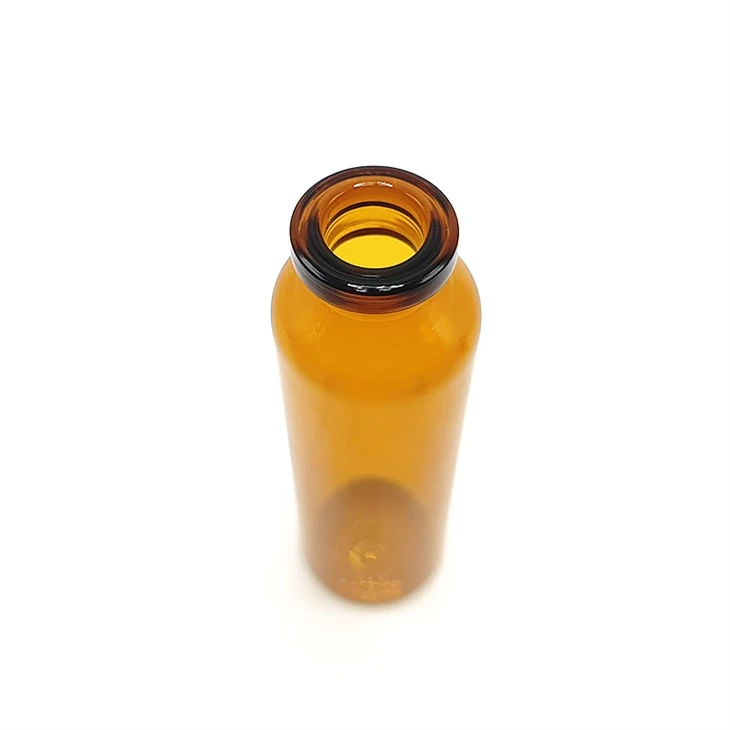
Now, let's talk about the compatibility of 1 ml vials with biological samples. Most 1 ml vials are made from either glass or plastic. Glass vials, like the ones you can check out here, have several benefits when it comes to biological samples. Glass is inert, which means it doesn't react chemically with most biological substances. This is crucial because you don't want the vial to contaminate your sample or alter its properties. For example, if you're storing DNA samples, you need a vial that won't interact with the DNA molecules and cause degradation or other unwanted changes.
On the other hand, plastic 1 ml vials are lightweight and shatter - resistant. They're a good choice if you're transporting your biological samples or if you're working in an environment where there's a risk of breakage. However, not all plastics are created equal. Some plastics may leach chemicals into the sample over time, so it's important to choose high - quality plastic vials that are specifically designed for biological applications.
When it comes to sealing 1 ml vials, there are different options available. There are screw - cap vials, which provide a tight seal and are easy to open and close. This is convenient when you need to access your samples frequently. There are also crimp - top vials, which offer an even more secure seal. They're often used for long - term storage of biological samples because they prevent any air or moisture from getting in, which could potentially damage the sample.
But, of course, 1 ml vials aren't always the best choice for every biological sample. If you have a large - volume sample, obviously a 1 ml vial won't be sufficient. In such cases, you might want to consider larger vials like the 10ml Medicine Bottle or the 20ml Medicine Bottle. These larger vials can hold more sample, but they also take up more space and may be more expensive per unit.
Another consideration is the type of analysis you'll be performing on the biological sample. Some analytical techniques require a certain volume of sample to work accurately. If your analysis needs more than 1 ml, you'll have to use a larger vial or combine multiple 1 ml vials.
It's also important to think about the stability of the biological sample. Some samples are very sensitive to temperature, light, and oxygen. In these cases, you need to make sure the 1 ml vial provides adequate protection. For example, if your sample is light - sensitive, you might want to choose a vial that's opaque or has a light - blocking coating.
When handling biological samples in 1 ml vials, proper labeling is essential. You need to clearly mark the vial with information such as the sample name, date of collection, and any other relevant details. This helps prevent mix - ups and ensures that you can easily identify your samples later on.
In addition, you should follow strict aseptic techniques when transferring biological samples into 1 ml vials. This helps prevent contamination, which could ruin your sample and invalidate your research. Use sterile pipettes and work in a clean environment, such as a laminar flow hood.
To sum it up, 1 ml vials can definitely be used for biological samples in many situations. They offer advantages in terms of size, cost, and compatibility. However, you need to carefully consider the specific requirements of your biological sample, such as volume, stability, and the type of analysis you'll be doing.
If you're in the market for high - quality 1 ml vials for your biological samples, I'd love to talk to you. Whether you need glass or plastic vials, screw - cap or crimp - top, we've got you covered. Don't hesitate to reach out for a quote or to discuss your specific needs. Let's work together to find the perfect solution for your biological sample storage and handling requirements.

References
- "Biological Sample Storage: Best Practices and Considerations", Journal of Laboratory Research
- "Materials for Vial Manufacturing and Their Impact on Biological Samples", Analytical Chemistry Today