

Hey there! As a supplier of rubber vial stoppers, I often get asked if there are any differences between the stoppers for small and large vials. Well, you bet there are! In this blog, I'll break down these differences and explain why they matter.
Size and Dimensions
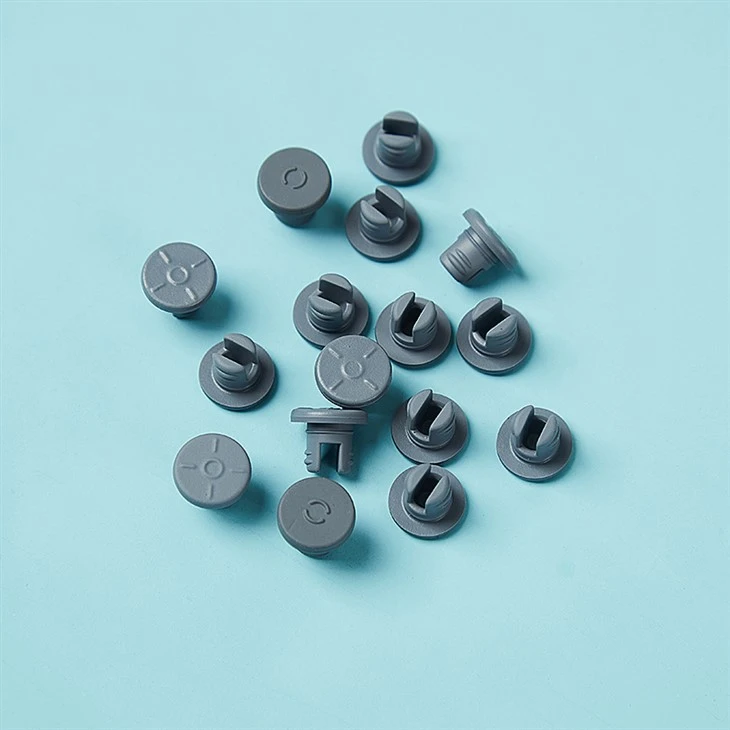
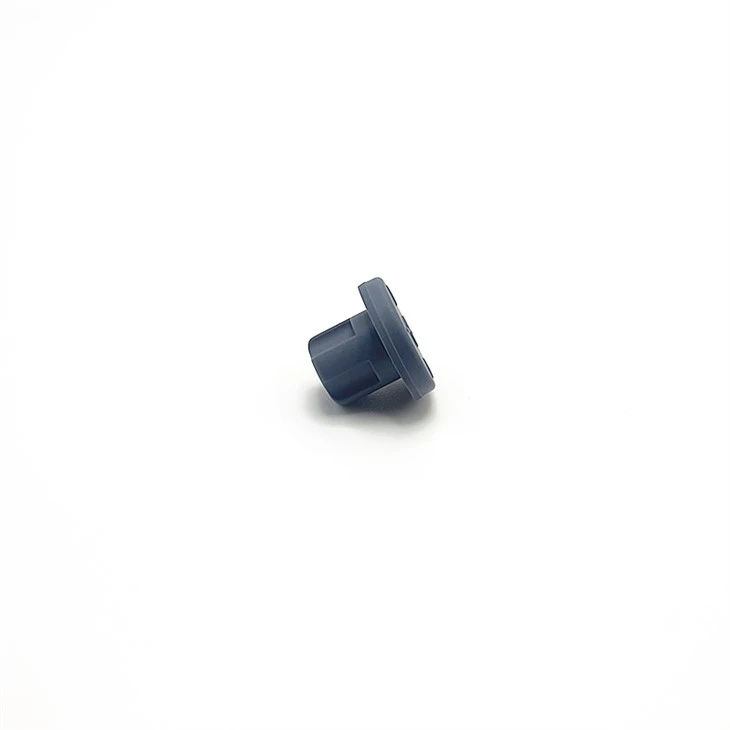
The most obvious difference between rubber vial stoppers for small and large vials is their size. Small vials typically range from a few milliliters to around 10 - 20 ml, and they usually require smaller stoppers. For instance, a common size for small vials is 13 mm, and you can check out our Vial Rubber Stopper 13 mm on our website. These smaller stoppers are designed to fit snugly into the narrow necks of small vials, creating a tight seal.
On the other hand, large vials can hold anywhere from 50 ml to several hundred milliliters. They need bigger stoppers that can cover the wider openings. The larger size means that the stoppers have to be more robust to maintain the same level of sealing integrity as the smaller ones. The dimensions are crucial because if a stopper is too small, it won't seal properly, and if it's too large, it won't fit into the vial at all.
Material Thickness
Another difference lies in the material thickness. Small vial stoppers generally have a thinner wall compared to those for large vials. This is because small vials have less internal pressure and volume to contain. A thinner stopper is sufficient to create an effective seal without adding unnecessary bulk.
For large vials, the situation is different. They often hold more liquid, which means there's a greater potential for internal pressure build - up. A thicker rubber stopper can better withstand this pressure and prevent leaks. The extra thickness also provides more durability, especially when the vials are handled frequently or stored for long periods.
Sealing Mechanisms
The sealing mechanisms can vary between small and large vial stoppers. Small vial stoppers usually rely on a simple press - fit design. When you push the stopper into the vial, the rubber compresses against the inner wall of the vial neck, creating a tight seal. This type of seal is quick and easy to achieve, which is great for small - scale operations or when time is of the essence.
Large vial stoppers may use more complex sealing mechanisms. Some large stoppers have additional features like flanges or ridges that enhance the seal. These features help to distribute the pressure evenly around the opening of the vial, ensuring a more reliable and long - lasting seal. In some cases, large vial stoppers may also be used in conjunction with caps or closures to provide an extra layer of protection.
Chemical Resistance
Chemical resistance is an important factor for both small and large vial stoppers, but the requirements can differ. Small vials are often used for storing small amounts of highly concentrated chemicals or pharmaceuticals. The stoppers need to be resistant to a wide range of chemicals to prevent contamination or degradation of the contents.
Large vials, on the other hand, may be used for storing less concentrated solutions or for general laboratory use. While they still need to have good chemical resistance, the specific requirements may be less stringent in some cases. However, for applications where large vials are used to store hazardous or reactive chemicals, the stoppers must have excellent chemical resistance, just like those for small vials.
Cost
Cost is also a consideration when it comes to small and large vial stoppers. Small vial stoppers are generally less expensive per unit. This is because they use less material and are simpler to manufacture. However, if you need a large quantity of small vial stoppers, the total cost can add up.
Large vial stoppers are more expensive per unit due to the larger amount of rubber used and the potentially more complex manufacturing processes. But when you're using large vials, you typically need fewer stoppers, so the overall cost may not be as high as you might think.
Application - Specific Differences
The application of the vials can also influence the differences between the stoppers. For example, in the pharmaceutical industry, small vials are often used for single - dose medications. The stoppers need to be sterile and provide a hermetic seal to ensure the safety and efficacy of the drug. Our Medicine Bottle Rubber Stopper is designed to meet these strict requirements.
Large vials in the pharmaceutical industry may be used for bulk storage of medications or for compounding. The stoppers for these vials need to be able to withstand repeated openings and closings without losing their sealing properties.
In the laboratory setting, small vials are commonly used for sample storage or for conducting small - scale experiments. The stoppers need to be easy to handle and provide a reliable seal to prevent sample contamination. Large vials are used for storing larger volumes of reagents or for conducting larger - scale experiments. The stoppers need to be durable and able to maintain a seal under various conditions.
Conclusion
So, as you can see, there are definitely differences between rubber vial stoppers for small and large vials. These differences are based on factors like size, material thickness, sealing mechanisms, chemical resistance, cost, and application. Whether you're in the pharmaceutical industry, a laboratory, or any other field that uses vials, it's important to choose the right stopper for your specific needs.
If you're looking for high - quality rubber vial stoppers, we've got you covered. We offer a wide range of Glass Vial Rubber Stopper options for both small and large vials. Our stoppers are made from high - quality rubber materials and are designed to meet the highest standards of quality and performance.
If you're interested in purchasing our rubber vial stoppers, feel free to reach out to us for more information and to discuss your specific requirements. We're always happy to help you find the perfect solution for your vial sealing needs.
References
- ASTM International standards for rubber vial stoppers.
- Pharmaceutical Packaging Technology textbooks.