

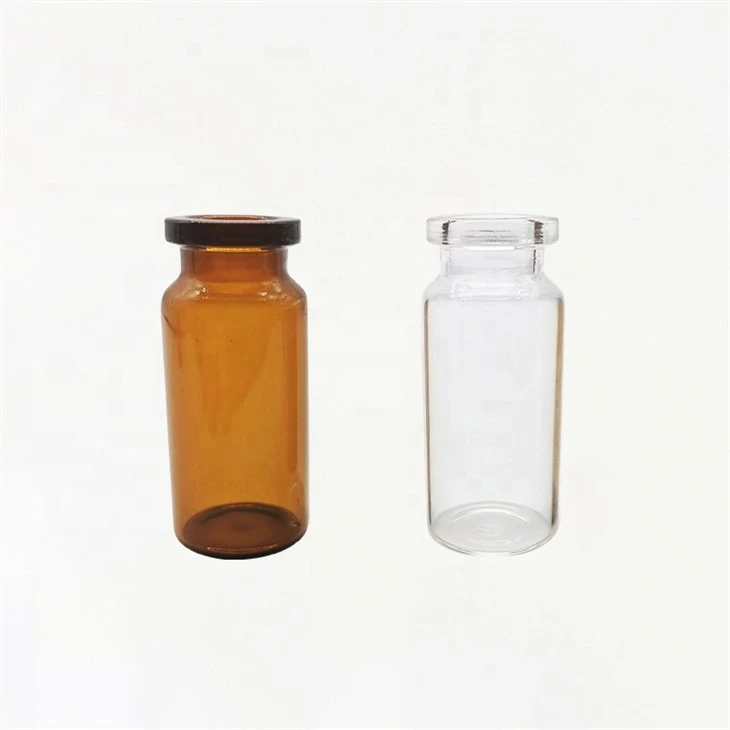
In the pharmaceutical industry, penicillin bottles have long been a staple for storing various medications, especially injectable drugs. Their design, typically made of glass, offers excellent chemical resistance, stability, and visibility, which are crucial for maintaining the integrity of the drugs they contain. However, as the industry evolves, there is an increasing demand to explore alternatives to penicillin bottles. This exploration is driven by several factors, including cost - effectiveness, environmental concerns, and the need for innovative packaging solutions.
The Limitations of Penicillin Bottles
First and foremost, cost can be a significant drawback. The production of glass penicillin bottles involves a complex manufacturing process that includes melting, molding, and annealing. These steps require a substantial amount of energy and specialized equipment, which ultimately translates into higher production costs. Additionally, the transportation of glass bottles is also costly due to their weight and fragility. They need to be carefully packed to prevent breakage during transit, adding to the overall cost.
From an environmental perspective, glass penicillin bottles are not the most sustainable option. Glass production is energy - intensive and generates a large amount of carbon emissions. Moreover, while glass is recyclable, the recycling process also requires a significant amount of energy. In a world increasingly focused on reducing its carbon footprint, the environmental impact of glass penicillin bottles cannot be ignored.
Another limitation is the potential for breakage. Glass is a brittle material, and accidental drops or impacts can cause the penicillin bottles to shatter. This not only results in the loss of the valuable medication inside but also poses a safety risk to healthcare workers and patients due to the sharp glass fragments.
Alternatives to Penicillin Bottles
Plastic Bottles
Plastic bottles are one of the most obvious alternatives to penicillin bottles. They are lightweight, which reduces transportation costs. Plastic is also more resistant to breakage compared to glass, minimizing the risk of product loss and injury from broken glass.
There are different types of plastics used in pharmaceutical packaging, such as polyethylene (PE), polypropylene (PP), and polyethylene terephthalate (PET). These plastics offer good chemical resistance and can be easily molded into various shapes and sizes. For example, some plastic bottles can be designed with a flip - top cap for easy access, similar to the Flip Cap Amber Bottles.
However, plastic bottles also have their drawbacks. Some plastics may interact with certain medications over time, potentially affecting the stability and efficacy of the drugs. Additionally, plastic is derived from petroleum, a non - renewable resource, and its disposal can be a significant environmental issue, as it takes a long time to decompose.
Blister Packs
Blister packs are another alternative that has gained popularity in the pharmaceutical industry. They consist of a thermoformed plastic cavity that holds the medication and a backing made of aluminum foil or paper. Blister packs are convenient for patients as they can easily be opened and the individual doses are clearly marked.
Blister packs offer several advantages. They provide a high level of protection against moisture, oxygen, and light, which helps to preserve the quality of the medication. They are also cost - effective to produce and can be customized in terms of size and shape. However, blister packs are mainly suitable for solid dosage forms such as tablets and capsules, and may not be appropriate for injectable drugs like those typically stored in penicillin bottles.
Ampoules
Ampoules are small, sealed glass or plastic containers that are used to hold single - dose medications. They are often used for injectable drugs. Glass ampoules offer similar chemical resistance as penicillin bottles, but they are designed for single - use, which can reduce the risk of contamination.
Plastic ampoules are also available, which are lighter and more shatter - resistant than glass ampoules. However, like plastic bottles, there may be concerns about the interaction between the plastic and the medication. Some ampoules can be found in the form of 2ml Glass Bottle, which is suitable for small - volume medications.
Pharmacy Medicine Bottles
Pharmacy Medicine Bottles come in various sizes and materials. They can be made of glass or plastic and are designed to store different types of medications, including liquids, tablets, and capsules. These bottles often have child - resistant caps, which is an important safety feature.
Glass pharmacy medicine bottles offer similar advantages as penicillin bottles in terms of chemical resistance and visibility. Plastic pharmacy medicine bottles, on the other hand, are more lightweight and less prone to breakage.
Considerations When Choosing Alternatives
When considering alternatives to penicillin bottles, several factors need to be taken into account.
Compatibility with Medication
The most important factor is the compatibility of the packaging material with the medication. Different medications have different chemical properties, and the packaging material should not interact with the drug in any way that could affect its stability, efficacy, or safety. For example, some medications may be sensitive to light, so the packaging should provide adequate protection.

Regulatory Requirements
The pharmaceutical industry is highly regulated, and any alternative packaging must comply with relevant regulations. These regulations ensure the safety and quality of the medications. For example, the packaging must be able to prevent contamination and maintain the sterility of the drug if required.
Cost - Benefit Analysis
A cost - benefit analysis is essential when choosing an alternative to penicillin bottles. This analysis should consider not only the production and transportation costs but also the long - term costs associated with the storage and use of the packaging. For example, if a more expensive packaging option reduces the risk of product loss due to breakage or contamination, it may be more cost - effective in the long run.
Patient Convenience
Patient convenience is also an important consideration. The packaging should be easy to open, use, and store. For example, a medication that needs to be taken multiple times a day should be packaged in a way that makes it easy for the patient to access the correct dose.
Conclusion
While penicillin bottles have been a reliable choice for pharmaceutical packaging for many years, there are several alternatives available that offer different advantages and disadvantages. Plastic bottles, blister packs, ampoules, and pharmacy medicine bottles are all viable options, depending on the specific requirements of the medication, regulatory constraints, cost - benefit analysis, and patient convenience.
As a penicillin bottle supplier, we understand the importance of providing our customers with the best packaging solutions. We are committed to staying up - to - date with the latest developments in the industry and can help our customers evaluate the different alternatives to penicillin bottles. Whether you are looking for a more cost - effective option, a more sustainable solution, or a packaging design that offers greater convenience, we are here to assist you.
If you are interested in exploring the alternatives to penicillin bottles or have any questions about our products, please feel free to contact us for a detailed discussion and procurement negotiation. We look forward to working with you to find the most suitable packaging solution for your pharmaceutical products.
References
- Packaging Technology for Pharmaceutical Products, Edited by David A. Tabb, CRC Press.
- Pharmaceutical Packaging Handbook: A Practical Guide to Packaging Development, by Neil R. Anderson, CRC Press.
- Handbook of Pharmaceutical Excipients, by Raymond C. Rowe, Paul J. Sheskey, and Marian E. Quinn, Pharmaceutical Press.