

Hey there! As a supplier of rubber stoppers, I often get asked a bunch of questions about our products. One question that pops up quite a bit is, "Are rubber stoppers flammable?" Well, let's dive right into this topic and find out.
First off, it's important to understand what rubber stoppers are made of. Rubber stoppers can be crafted from different types of rubber, such as natural rubber, synthetic rubber like butyl rubber, and others. Each type of rubber has its own unique properties, and these properties play a big role in determining whether they're flammable or not.
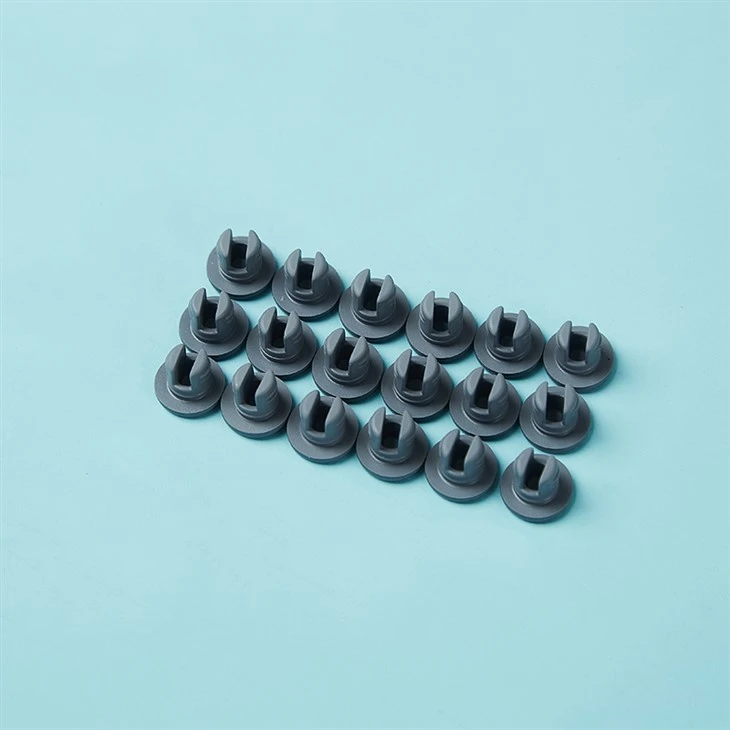
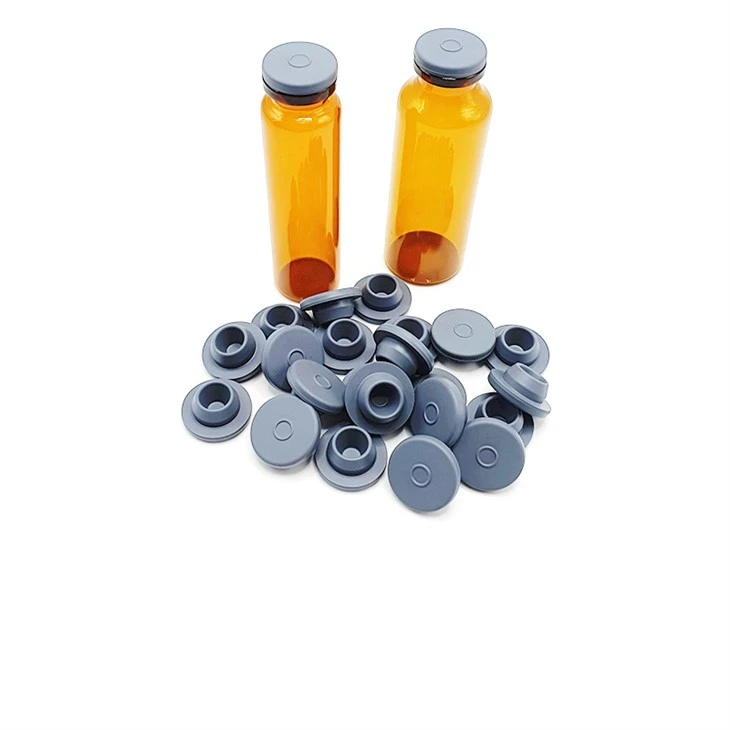
Natural rubber is derived from the latex of rubber trees. It's a pretty common material for making rubber stoppers, especially in some traditional applications. Now, natural rubber is organic, and like many organic materials, it can catch fire. When exposed to high heat or an open flame, natural rubber will start to burn. The combustion process of natural rubber releases a lot of heat, and it can produce thick, black smoke. This is because natural rubber contains carbon, hydrogen, and other elements that react with oxygen in the air during combustion.
On the other hand, synthetic rubbers have different characteristics. Take butyl rubber, for example. Butyl rubber is widely used in the production of rubber stoppers, especially for applications where chemical resistance and low gas permeability are required. Medicine Bottle Rubber Stopper and 13mm Grey Butyl Rubber Stoppers are often made from butyl rubber. Butyl rubber has a relatively high ignition temperature compared to natural rubber. It's more resistant to heat and flames. However, it doesn't mean that butyl rubber is completely non - flammable. If the temperature gets high enough and there's an adequate supply of oxygen, butyl rubber will also burn.
Another type of rubber used in making rubber stoppers is silicone rubber. Silicone rubber is known for its excellent heat resistance. It can withstand much higher temperatures than natural rubber and many synthetic rubbers. In fact, silicone rubber is often used in high - temperature applications. While it can degrade at extremely high temperatures, it's very difficult to set it on fire under normal circumstances.
Now, let's talk about the factors that affect the flammability of rubber stoppers. The thickness of the rubber stopper is one factor. Thicker rubber stoppers take longer to catch fire because it takes more time for the heat to penetrate through the material. The presence of additives also matters. Some rubber stoppers are treated with flame - retardant additives. These additives work by either releasing non - flammable gases when heated, which dilute the oxygen around the rubber, or by forming a protective char layer on the surface of the rubber, which insulates it from the heat and oxygen.
In industrial settings, the flammability of rubber stoppers is a crucial consideration. For example, in the pharmaceutical industry, Rubber Stopper for Injection needs to be stored and handled properly to prevent any fire hazards. In a laboratory environment, where there might be open flames from Bunsen burners or other heat sources, it's essential to know whether the rubber stoppers used in experiments are flammable or not.
If you're in an environment where there's a risk of fire, it's important to take precautions. For rubber stoppers that are flammable, keep them away from open flames, hot surfaces, and any sources of ignition. Store them in a cool, dry place. If possible, choose rubber stoppers made from materials with high fire resistance, like silicone rubber or butyl rubber with flame - retardant additives.
As a rubber stopper supplier, we're well - aware of the importance of safety and quality. We test our rubber stoppers to ensure that they meet the necessary safety standards. Whether you need rubber stoppers for medicine bottles, injection vials, or any other applications, we can provide you with a wide range of options.
If you're interested in purchasing rubber stoppers, we'd love to have a chat with you. We can discuss your specific requirements, such as the type of rubber, size, and any special features you need. We're here to help you find the perfect rubber stoppers for your needs.
In conclusion, while not all rubber stoppers are highly flammable, many of them can catch fire under certain conditions. It all depends on the type of rubber they're made of, the presence of additives, and the environmental factors. So, it's important to understand these aspects and take appropriate safety measures.
References
- "Handbook of Rubber Technology"
- "Rubber Science and Technology"
- Industry standards and guidelines for rubber product safety