

As a trusted supplier of medical vials, I've encountered numerous inquiries regarding the cold - resistance of our products. This blog aims to delve deep into the topic and provide comprehensive insights into whether medical vials can withstand cold temperatures.
Understanding the Composition of Medical Vials
Medical vials are typically made from different materials, with glass and plastic being the most common. Each material has its own unique properties that determine its resistance to cold temperatures.
Glass Medical Vials
Glass is a popular choice for medical vials due to its excellent chemical resistance, transparency, and ability to maintain the integrity of the stored medications. Most medical glass vials are made from borosilicate glass. Borosilicate glass has a low coefficient of thermal expansion, which means it can withstand significant temperature changes without cracking or shattering.
When exposed to cold temperatures, borosilicate glass vials remain stable. The structure of borosilicate glass allows it to contract uniformly as the temperature drops. For instance, in laboratory settings where medications are stored at low temperatures for long - term preservation, borosilicate glass vials can maintain their shape and structural integrity. You can find a wide range of glass vials, such as Penicillin Bottle and Medicine Bottle on our website. These vials are designed to meet the high - quality standards required for storing medications in various temperature conditions.
Plastic Medical Vials
Plastic vials are also widely used in the medical industry because of their lightweight, shatter - resistance, and cost - effectiveness. Common plastics used for medical vials include polypropylene (PP) and polyethylene (PE).
Polypropylene has good chemical resistance and can withstand a certain range of cold temperatures. It becomes stiffer as the temperature drops, but it generally retains its structural integrity within a reasonable cold - temperature range. However, if the temperature is extremely low, the plastic may become brittle and more prone to cracking.

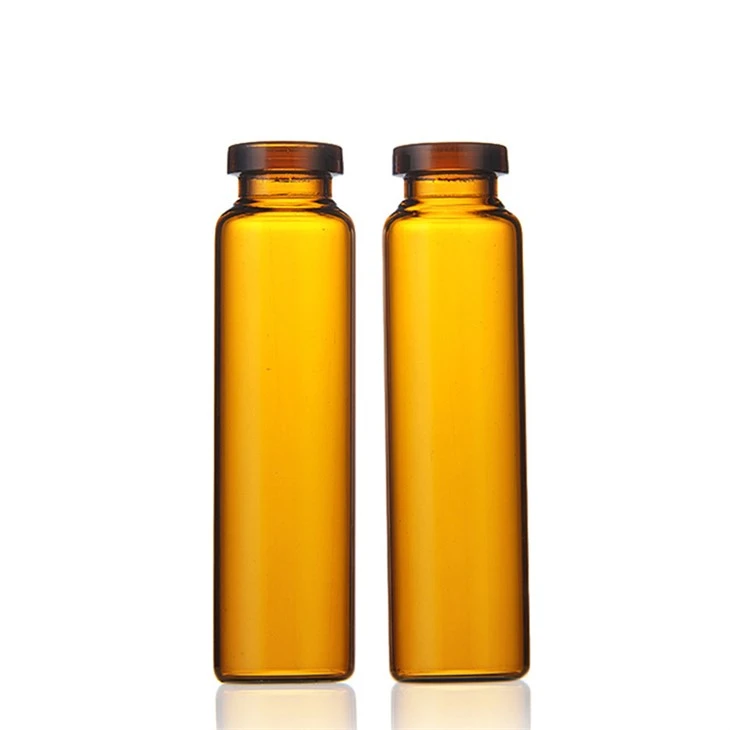
Polyethylene, on the other hand, is more flexible at low temperatures compared to polypropylene. It has better impact resistance in cold conditions, which makes it suitable for applications where the vials may be subject to some physical stress while stored in cold environments. For example, Penicillin Bottle 10ml made of plastic can be a good option for transporting and storing medications in relatively cold conditions.
Factors Affecting Cold Resistance
Several factors can influence the cold resistance of medical vials, regardless of the material.
Rate of Temperature Change
The rate at which the temperature changes is crucial. A sudden and extreme drop in temperature can cause stress on the vial. For glass vials, a rapid temperature change may lead to uneven contraction, resulting in cracks. Plastic vials may also experience internal stress that can lead to deformation or cracking.
For example, if a vial is taken directly from a warm environment and placed in a very cold freezer, the risk of damage is higher compared to gradually lowering the temperature. In a well - controlled storage facility, the temperature is adjusted slowly to minimize the stress on the vials.
Filling Level and Contents
The filling level of the vial and the nature of the contents also play a role. If a vial is completely filled, the liquid inside may expand as it freezes, putting pressure on the vial walls. This can be a problem, especially for glass vials, which are less flexible than plastic.
Medications with different chemical compositions may have different freezing points and expansion characteristics. Some medications may contain solvents or additives that can affect the overall behavior of the liquid when frozen. For example, a medication with a high water content may be more likely to cause problems due to the expansion of water upon freezing.
Physical Stress
Physical stress during handling and storage can exacerbate the effects of cold temperatures. Vials that are stacked or bumped against each other in cold storage are more likely to get damaged. Even a small scratch or dent on the vial can act as a stress concentration point, increasing the risk of cracking when exposed to cold temperatures.
Testing Cold Resistance
To ensure the quality and cold resistance of our medical vials, we conduct a series of tests.
Freeze - Thaw Testing
This involves subjecting the vials to multiple cycles of freezing and thawing. The vials are filled with a representative liquid and placed in a freezer at a specific low temperature for a set period. Then, they are allowed to thaw at room temperature. This process is repeated several times, and the vials are inspected for any signs of damage, such as cracks, leaks, or changes in shape.
Impact Testing at Low Temperatures
We also perform impact tests on vials at low temperatures. The vials are cooled to the desired temperature and then subjected to a controlled impact, similar to what they might experience during transportation or handling. This helps us determine if the vials can withstand normal physical stress in cold conditions.
Applications in Cold Environments
Medical vials are used in various cold - related applications.
Vaccines and Biologics Storage
Many vaccines and biologics need to be stored at low temperatures to maintain their efficacy. Our medical vials, whether glass or plastic, are designed to meet the strict requirements for storing these sensitive products. For example, in cold chain logistics, vials need to remain intact during transportation from the manufacturing facility to the end - user, often in cold storage trucks or refrigerated containers.
Laboratory Research
In laboratories, vials are used to store samples and reagents at low temperatures. Our high - quality vials ensure that the samples are protected and the integrity of the research is maintained. Whether it's storing DNA samples or chemical reagents, our vials can provide a reliable solution.
Conclusion
In general, both glass and plastic medical vials can be resistant to cold temperatures, but it depends on the material, the specific conditions, and how they are handled. Our company, as a professional medical vial supplier, is committed to providing products that meet the highest standards of cold resistance.
If you are in the market for high - quality medical vials suitable for cold storage and transportation, we invite you to contact us for procurement and further discussions. Our team of experts can help you select the most appropriate vials based on your specific needs.
References
- ASTM International standards for glass and plastic containers used in the medical industry.
- Research papers on the thermal properties of borosilicate glass and common plastics used in medical applications.
- Industry reports on cold chain logistics for medical products.