

In the realm of pharmaceuticals, the compatibility between medical vials and medications is a topic of paramount importance. As a dedicated supplier of medical vials, I've witnessed firsthand the intricate relationship between these containers and the drugs they hold. This blog aims to delve into the question: Are medical vials compatible with all types of medications?
Understanding Medical Vials
Medical vials come in various shapes, sizes, and materials. The most common materials include glass and plastic, each with its own set of properties that influence its compatibility with different medications.
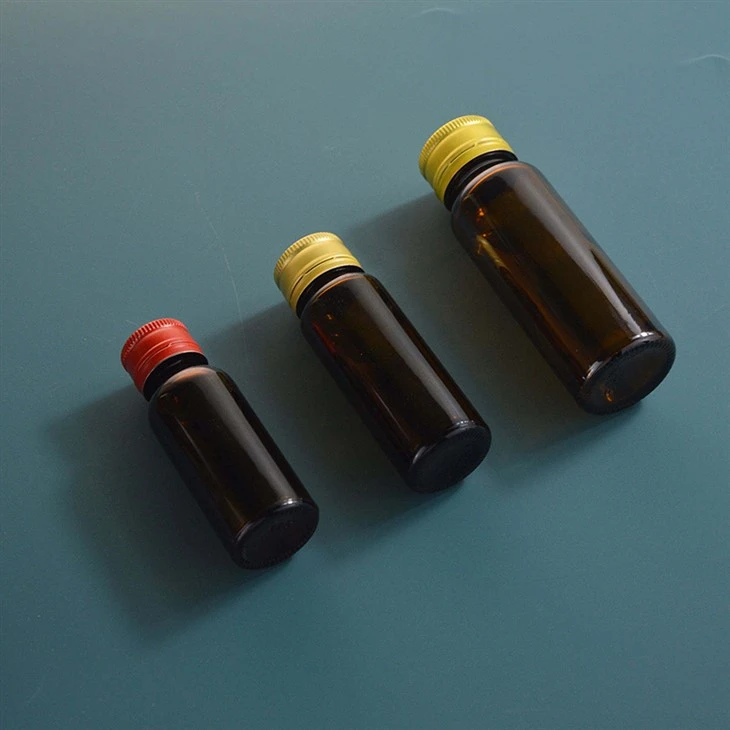
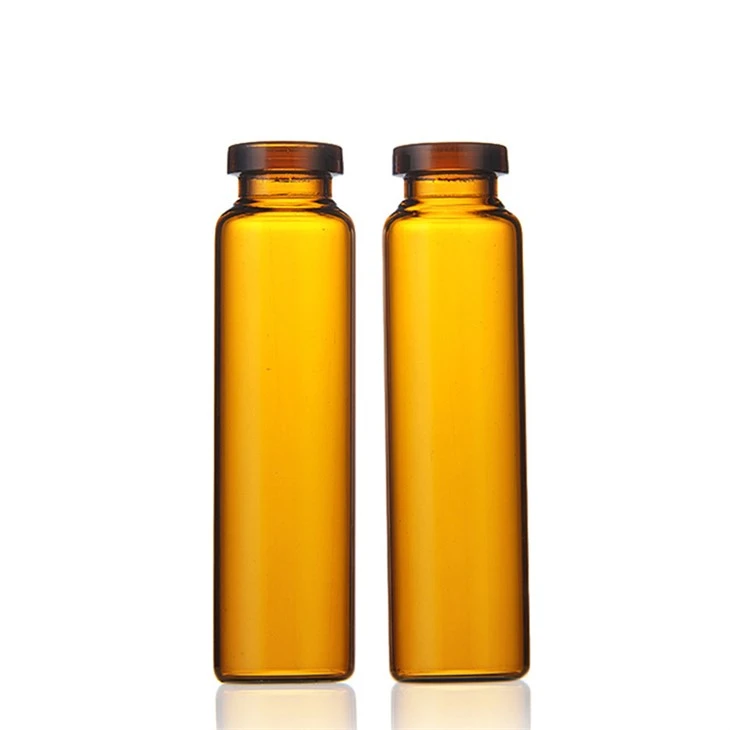
Glass vials, such as the Freeze-dried Powder Bottle and Medicine Bottle, are highly regarded for their inertness. Glass is resistant to chemical reactions with most medications, making it an ideal choice for storing a wide range of drugs. It provides a stable environment that helps maintain the integrity and efficacy of the medication over time. Additionally, glass vials offer excellent visibility, allowing for easy inspection of the contents.
On the other hand, plastic vials are lightweight, shatter-resistant, and cost-effective. They are commonly used for medications that do not require the high level of chemical resistance provided by glass. However, plastic vials may have limitations in terms of compatibility with certain medications, especially those that are sensitive to plasticizers or that can cause the plastic to degrade over time.
Factors Affecting Compatibility
Several factors determine the compatibility between medical vials and medications. These factors include the chemical properties of the medication, the storage conditions, and the type of vial material.
Chemical Properties of the Medication
The chemical composition of a medication plays a crucial role in determining its compatibility with a particular vial material. Some medications are highly reactive and can interact with the vial material, leading to changes in the drug's potency, stability, or safety. For example, acidic or alkaline medications may react with glass, causing it to leach certain components into the medication. Similarly, some medications may dissolve or absorb into the plastic, altering its properties or reducing the effectiveness of the drug.
Storage Conditions
The storage conditions of a medication can also affect its compatibility with the vial. Temperature, humidity, light, and oxygen exposure can all impact the stability of the medication and the integrity of the vial. For instance, high temperatures can accelerate chemical reactions between the medication and the vial material, while exposure to light can cause some medications to degrade. Therefore, it is essential to store medications in appropriate conditions to ensure their compatibility with the vial and maintain their quality over time.
Type of Vial Material
As mentioned earlier, the type of vial material is a critical factor in determining compatibility. Glass vials are generally more compatible with a wider range of medications due to their chemical inertness. However, they may not be suitable for all applications, especially those that require a lightweight or shatter-resistant container. Plastic vials, on the other hand, offer certain advantages in terms of cost and convenience but may have limitations in terms of compatibility with certain medications.
Ensuring Compatibility
To ensure the compatibility between medical vials and medications, pharmaceutical manufacturers and suppliers must conduct thorough compatibility testing. This testing involves evaluating the interaction between the medication and the vial material under various conditions to determine if any adverse effects occur.
Compatibility testing typically includes the following steps:
- Selection of Vial Materials: Based on the chemical properties of the medication and the intended storage conditions, appropriate vial materials are selected for testing.
- Formulation of Test Samples: Samples of the medication are prepared and filled into the selected vial materials.
- Storage of Test Samples: The test samples are stored under various conditions, such as different temperatures, humidity levels, and light exposure, to simulate real-world storage conditions.
- Analysis of Test Samples: At regular intervals, the test samples are analyzed to determine if any changes have occurred in the medication's chemical composition, potency, or stability.
- Evaluation of Results: The results of the compatibility testing are evaluated to determine if the selected vial material is suitable for the medication. If any adverse effects are observed, alternative vial materials may be considered.
Conclusion
In conclusion, medical vials are not compatible with all types of medications. The compatibility between a vial and a medication depends on several factors, including the chemical properties of the medication, the storage conditions, and the type of vial material. To ensure the safety and efficacy of medications, it is essential to conduct thorough compatibility testing before selecting a vial material.
As a medical vial supplier, I understand the importance of providing high-quality vials that are compatible with a wide range of medications. Our Glass Bottle with Aluminum Cap is designed to meet the strict requirements of the pharmaceutical industry, offering excellent chemical resistance, durability, and stability. We also offer a variety of other vial options to suit different applications and customer needs.
If you are in the market for medical vials and are looking for a reliable supplier, I encourage you to contact us to discuss your specific requirements. Our team of experts is available to provide you with detailed information and guidance on selecting the right vial for your medication. We are committed to providing our customers with the highest level of quality and service, and we look forward to working with you to ensure the success of your pharmaceutical products.
References
- American Society for Testing and Materials (ASTM). (20XX). Standard test methods for evaluating the compatibility of pharmaceutical packaging materials with drug products.
- International Council for Harmonisation of Technical Requirements for Pharmaceuticals for Human Use (ICH). (20XX). Q1A(R2) Stability testing of new drug substances and products.
- United States Pharmacopeia (USP). (20XX). General chapter <661> Plastic packaging systems for pharmaceutical use.