

When it comes to children's safety, every parent and caregiver is extremely cautious. One question that often arises is whether glass vials are safe for children's use. As a supplier of glass vials, I have a deep understanding of this issue and would like to share some insights based on scientific knowledge and real - world experience.
The Advantages of Glass Vials
Glass vials have several properties that make them a viable option in many contexts related to children. Firstly, glass is a non - porous material. This means that it does not absorb or leach chemicals into the substances it contains. For example, if a glass vial is used to store a child's medicine or a special liquid supplement, there is no risk of the glass contaminating the contents with harmful substances. In contrast, some plastic containers may release chemicals such as bisphenol A (BPA) over time, which can have negative impacts on a child's health, especially during their development.
Secondly, glass is highly resistant to chemical reactions. It can withstand a wide range of temperatures and chemical environments without degrading. This makes it suitable for storing various types of substances, from mild herbal extracts to more potent medications. For instance, if a child has a skin condition and requires a topical solution to be stored in a vial, the glass will not react with the solution, ensuring its efficacy and safety.
Glass vials also offer excellent visibility. Parents can easily see the contents of the vial, which is crucial for checking the quantity, color, and clarity of the liquid. This is particularly important when it comes to administering medicine. If there are any signs of discoloration or sediment in the liquid, parents can quickly notice and take appropriate action, such as consulting a doctor.
Potential Risks of Glass Vials for Children
However, glass vials are not without risks, especially when it comes to children. The most obvious risk is breakage. Glass is fragile, and if a child drops or mishandles a glass vial, it can shatter into sharp pieces. These shards can cause cuts and lacerations, which can be serious, especially if they occur near sensitive areas such as the eyes or on the hands.
Another concern is the choking hazard. If a glass vial breaks, small pieces of glass could potentially be swallowed by a child, leading to internal injuries. Moreover, if the vial contains a liquid, a spill can occur when it breaks. Depending on the nature of the liquid, this could pose additional risks, such as chemical burns if it is a caustic substance or an allergic reaction if the child is sensitive to the contents.
Safety Measures for Using Glass Vials with Children
To mitigate these risks, several safety measures can be taken. Firstly, glass vials should be stored out of reach of children. This can be done by placing them in high cabinets or locked drawers. If a child needs to use a glass vial under adult supervision, it is important to handle it carefully. Parents or caregivers should teach children how to hold the vial properly and avoid rough handling.
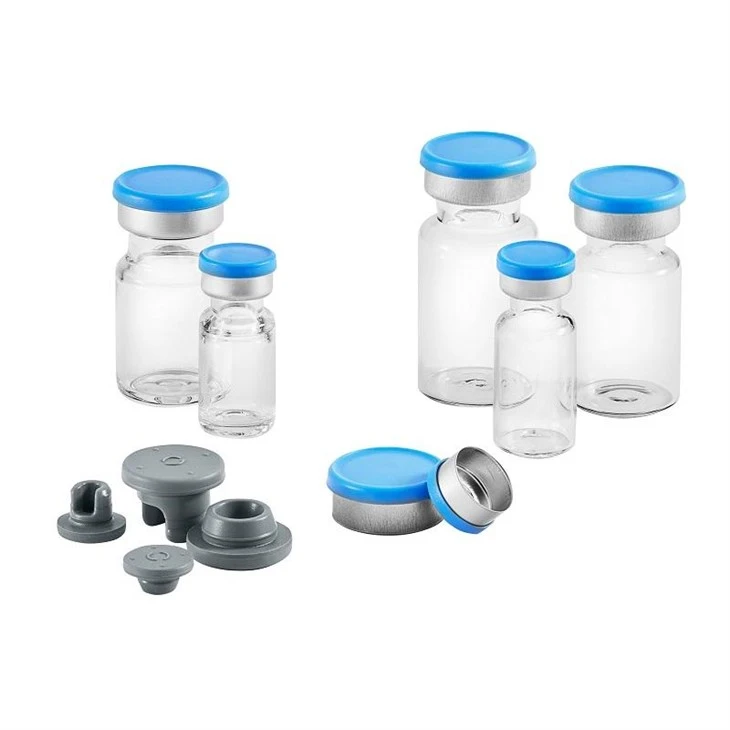
Using vials with appropriate closures is also crucial. For example, Medical Bottles with Rubber Stopper provide a secure seal, reducing the risk of spills. These stoppers can also prevent children from easily opening the vial on their own, adding an extra layer of safety.
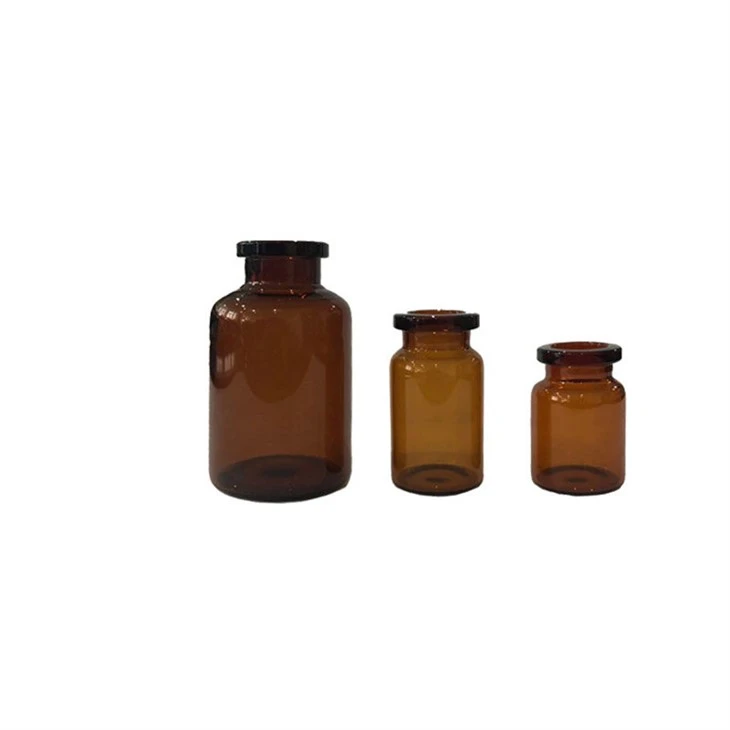
In addition, choosing the right size of glass vial is important. Smaller vials such as 10ml Glass Bottle and 15ml Glass Bottle are less likely to cause significant damage if they break compared to larger ones. They are also easier to handle and store.
Real - World Applications of Glass Vials for Children
In the medical field, glass vials are widely used for storing vaccines and medications for children. Vaccines need to be stored in a stable environment, and glass vials provide the necessary protection. The non - reactive nature of glass ensures that the vaccine remains effective until it is administered. For example, the flu vaccine for children is often stored in glass vials.
In the cosmetic and skincare industry, glass vials are used to store natural essential oils and serums for children. These products are often free from harsh chemicals, and glass vials help to preserve their purity. For instance, a lavender essential oil vial can be used to soothe a child's skin or help them relax at bedtime.
Conclusion
In conclusion, glass vials can be safe for children's use when appropriate safety measures are taken. Their non - porous, chemical - resistant, and visible properties make them a good choice for storing various substances related to children's health and well - being. However, the risks of breakage and choking must be carefully considered. By storing vials out of reach, using secure closures, and choosing the right size, parents and caregivers can minimize these risks.
As a glass vial supplier, I am committed to providing high - quality products that meet the safety standards for children's use. If you are interested in purchasing glass vials for your child - related products, I encourage you to contact me for procurement discussions. We can work together to ensure that the glass vials you choose are both safe and suitable for your specific needs.
References
- American Academy of Pediatrics. (2019). Safety guidelines for children's products.
- World Health Organization. (2020). Guidelines for the storage and handling of vaccines.
- International Journal of Pediatrics. (2021). Research on the safety of glass containers for pediatric medications.