

Are Glass Bottles Environmentally Friendly?
As a supplier of glass bottles, I've often been asked about the environmental friendliness of glass. It's a topic that's both complex and crucial in today's world, as consumers and businesses alike are becoming more conscious of their environmental impact. In this blog post, I'll delve into the various aspects of glass bottles' environmental footprint, exploring their production, use, and disposal.
Production of Glass Bottles
The production of glass bottles is an energy - intensive process. Glass is made primarily from sand, soda ash, and limestone, which are abundant natural resources. These raw materials are heated to extremely high temperatures, usually around 1700°C, in a furnace to form molten glass. This high - energy process contributes to greenhouse gas emissions, mainly carbon dioxide.
However, the situation isn't all doom and gloom. Modern glass manufacturing plants have made significant strides in energy efficiency. They use advanced furnace technologies and heat recovery systems to reduce the energy required for melting the raw materials. Additionally, recycled glass, also known as cullet, can be used in the production process. Using cullet reduces the energy needed because it melts at a lower temperature than the raw materials. For every 10% increase in cullet use, energy consumption can be reduced by about 2 - 3%.
From an environmental perspective, the use of cullet also has other benefits. It reduces the amount of raw materials that need to be mined. Mining can have a significant impact on the environment, including habitat destruction, soil erosion, and water pollution. By using recycled glass, we can lessen these negative effects.
Environmental Advantages during Use
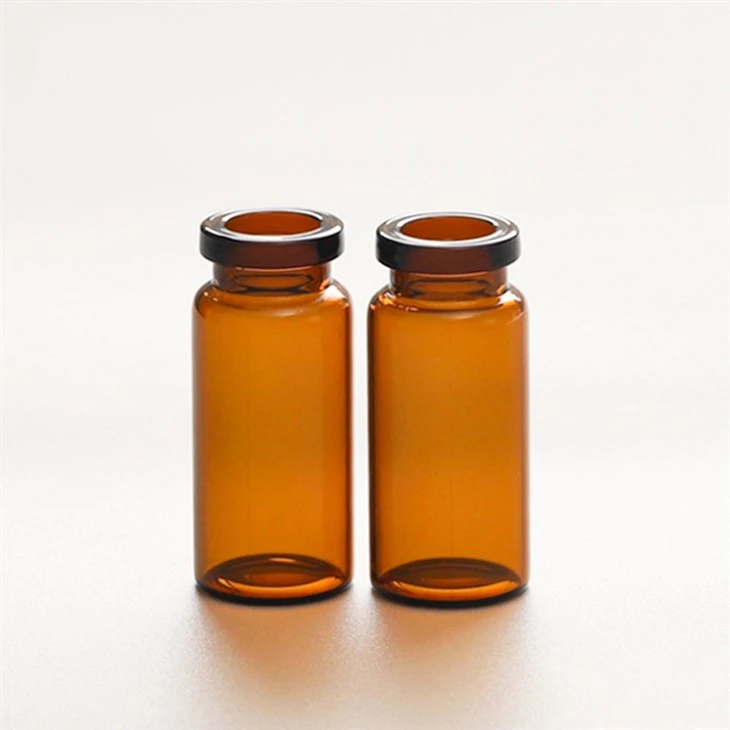
One of the most significant environmental advantages of glass bottles is their durability. Glass is non - porous and does not react with the contents of the bottle. This means that it can be reused multiple times without any degradation in quality or safety. For example, it can store various substances, from Penicillin Bottle to 10ml Medicine Bottle and Medical Vial with Lid, ensuring long - term and safe use.
Unlike plastic bottles, which can leach chemicals into the contents over time, glass provides a completely inert packaging solution. This makes it an ideal choice for food, beverages, and pharmaceuticals. Consumers can be confident that the products they buy in glass bottles are free from contamination.
Moreover, glass bottles can easily be sterilized, which is crucial for applications in the medical and food industries. After use, they can be thoroughly cleaned and sanitized, ready for refilling. This reuse potential significantly reduces the demand for new packaging materials, thereby conserving resources and reducing waste.
Disposal and Recycling
When it comes to disposal, glass bottles have a unique advantage: they are 100% recyclable. Unlike some other materials that can only be recycled a limited number of times, glass can be recycled indefinitely without losing its quality. In the recycling process, used glass bottles are collected, sorted, and then crushed into cullet. This cullet is then used in the production of new glass bottles.
However, despite its high recyclability, the actual recycling rate of glass bottles varies from region to region. In some areas with well - established recycling programs, the recycling rate can be quite high. In others, due to factors such as lack of infrastructure, low public awareness, and improper sorting, a significant amount of glass ends up in landfills.
In landfills, glass does not break down or decompose. While this might seem like a negative at first glance, it also means that glass doesn't release harmful chemicals into the environment over time, unlike some other waste materials.
Comparing with Other Packaging Materials
Let's compare glass bottles with other common packaging materials like plastic and metal. Plastic bottles are lightweight and relatively inexpensive to produce, but they pose a significant environmental problem. Most plastics are made from non - renewable fossil fuels. They take hundreds of years to break down in the environment, and if not properly disposed of, they can end up in oceans and other natural habitats, causing harm to wildlife.
Metal cans, such as aluminum and steel, are also recyclable, and the recycling process for metal is often more energy - efficient than that of glass. However, the mining and extraction of metal ores can have a severe impact on the environment, including deforestation and water pollution.
In contrast, glass is made from abundant natural resources, and its recyclability and reusability make it a more sustainable option in the long run. Although its production is energy - intensive, the use of cullet and energy - efficient technologies can mitigate this issue.

Conclusion
So, are glass bottles environmentally friendly? The answer is a qualified yes. While the production of glass bottles does have an environmental impact, their durability, reusability, and 100% recyclability make them a more sustainable choice compared to many other packaging materials.
As a glass bottle supplier, I'm committed to promoting sustainable practices in the glass industry. We strive to use as much recycled glass as possible in our production, and we encourage our customers to recycle our products after use.
If you're interested in purchasing high - quality glass bottles for your business, whether it's for pharmaceuticals, food, or beverages, we're here to help. We offer a wide range of glass bottle products, including Penicillin Bottle, 10ml Medicine Bottle, and Medical Vial with Lid. Contact us to start a discussion about your specific needs and how we can provide the best solutions for you.
References
- Moore, C. J. (2008). Plastic Ocean. Lyons Press.
- The Glass Packaging Institute. (2023). Glass Packaging Facts.
- European Container Glass Federation. (2023). Container Glass Sustainability Report.