

Amber glass bottles have long been a staple in various industries, thanks to their unique properties and aesthetic appeal. As a supplier of high - quality amber glass bottles, I often get asked the question: "Are amber glass bottles resistant to chemicals?" In this blog post, I will delve into the science behind the chemical resistance of amber glass bottles, explore their applications, and discuss the factors that can affect their performance.
The Composition of Amber Glass
To understand the chemical resistance of amber glass bottles, we first need to look at their composition. Amber glass is a type of soda - lime glass that contains iron, sulfur, and carbon. These additives give the glass its characteristic amber color, which not only provides a certain level of UV protection but also contributes to its chemical stability.
Soda - lime glass, the base material of amber glass, is composed mainly of silica (SiO₂), soda ash (Na₂CO₃), and lime (CaO). Silica forms the glass network, providing the basic structure and mechanical strength. Soda ash lowers the melting point of the glass, making it easier to manufacture, while lime improves the chemical durability of the glass.
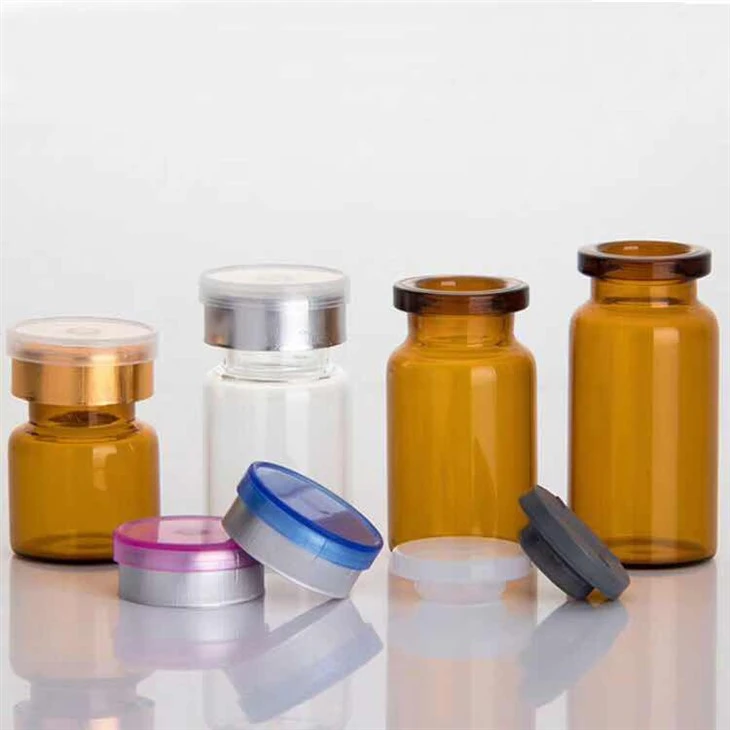
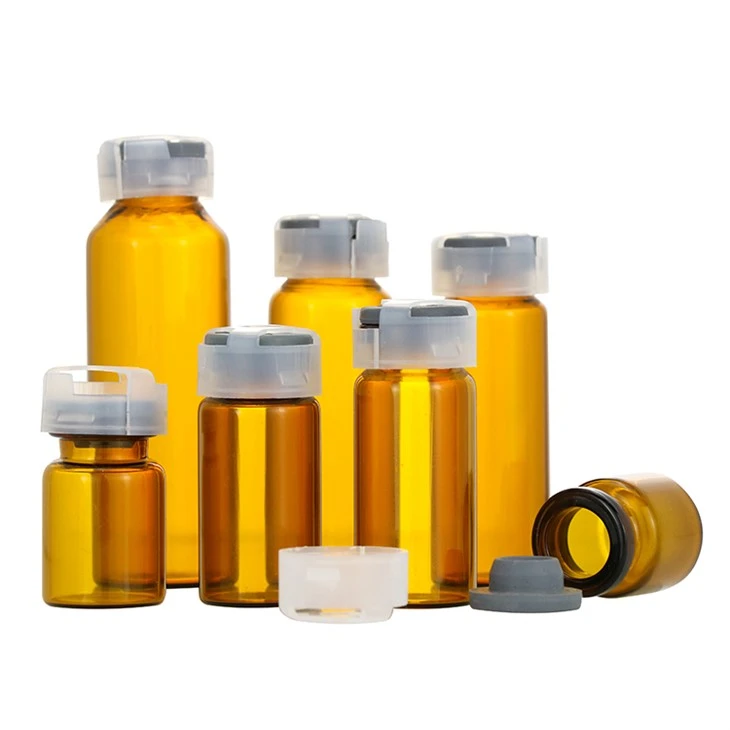
The iron, sulfur, and carbon additives in amber glass are present in relatively small amounts but play a crucial role. Iron oxide can act as a stabilizer, enhancing the glass's resistance to certain chemicals. Sulfur and carbon contribute to the formation of the amber color and can also influence the glass's surface properties.
Chemical Resistance Mechanisms
Amber glass bottles exhibit chemical resistance through several mechanisms. Firstly, the glass network structure is highly stable. The strong covalent bonds between silicon and oxygen atoms in the silica network make it difficult for most chemicals to penetrate and react with the glass. This network acts as a physical barrier, preventing the diffusion of chemical species into the glass matrix.
Secondly, the surface of amber glass is relatively inert. When exposed to chemicals, a thin layer of hydrated silica forms on the glass surface. This layer can further protect the underlying glass from chemical attack. For example, in acidic environments, the hydrated silica layer can act as a buffer, reducing the rate of reaction between the acid and the glass.
Applications Based on Chemical Resistance
The chemical resistance of amber glass bottles makes them suitable for a wide range of applications.
Pharmaceutical Industry
In the pharmaceutical industry, amber glass bottles are widely used to store medications. Many drugs are sensitive to light, air, and moisture, and amber glass provides an ideal solution. Its chemical resistance ensures that the glass does not react with the medications, preserving their efficacy and stability. For example, liquid antibiotics, vitamins, and herbal extracts are often stored in amber glass bottles. You can find a variety of Pharmacy Bottle Glass on our website, which are designed to meet the strict requirements of the pharmaceutical industry.
Cosmetic Industry
Cosmetic products, such as essential oils, serums, and perfumes, also benefit from the use of amber glass bottles. These products may contain various chemicals, including alcohols, esters, and plant extracts. Amber glass can resist the chemical action of these substances, preventing contamination and maintaining the quality of the cosmetics. The UV - blocking properties of amber glass also help to protect light - sensitive ingredients, such as vitamins A and C.
Food and Beverage Industry
Although less common than clear glass in some food applications, amber glass bottles are still used for certain products. For example, some craft beers and specialty wines are bottled in amber glass. The chemical resistance of the glass ensures that it does not leach any harmful substances into the beverages, and the amber color can protect the contents from light - induced spoilage.
Factors Affecting Chemical Resistance
While amber glass bottles are generally chemically resistant, several factors can affect their performance.
Chemical Concentration and Type
The concentration and type of chemicals play a significant role. Strong acids and bases can react with glass over time, especially at high concentrations. For example, hydrofluoric acid is extremely corrosive to glass and can quickly dissolve the glass network. On the other hand, mild acids and bases may have a negligible effect on amber glass bottles. Organic solvents, such as acetone and ethanol, are usually well - tolerated by amber glass, but long - term exposure to high - strength solvents may cause some surface changes.
Temperature
Temperature can also influence the chemical resistance of amber glass. Higher temperatures can accelerate chemical reactions. When amber glass bottles are exposed to high - temperature chemicals, the rate of corrosion may increase. For example, if a hot alkaline solution is stored in an amber glass bottle for an extended period, the glass may be more susceptible to chemical attack compared to the same solution at room temperature.
Duration of Exposure
The longer the amber glass bottle is exposed to a chemical, the greater the chance of chemical reaction. Even if a chemical has a low reactivity with glass, prolonged exposure can lead to cumulative damage. For example, if a cleaning solution is left in an amber glass bottle for days or weeks, it may gradually erode the glass surface.
Comparison with Other Glass Types
When compared to other glass types, such as clear glass and Blue Glass Bottle, amber glass has its own advantages in terms of chemical resistance.
Clear glass is more transparent but may have lower chemical resistance in some cases. It lacks the additional stabilizers present in amber glass, which can make it more vulnerable to certain chemicals. Blue glass, while also having some level of chemical resistance, may have different properties depending on its specific composition. The additives used to create the blue color can affect its chemical reactivity.
Quality Control in Manufacturing
As a supplier of amber glass bottles, we place great emphasis on quality control to ensure consistent chemical resistance. During the manufacturing process, we carefully control the raw material composition. The purity of the silica, soda ash, and lime is crucial, as impurities can affect the glass's chemical properties.
We also monitor the manufacturing conditions, such as the melting temperature and cooling rate. Proper melting ensures a homogeneous glass structure, while controlled cooling helps to relieve internal stresses in the glass, which can improve its chemical resistance.
After production, our amber glass bottles undergo a series of quality tests. We test the chemical resistance by exposing the bottles to different chemicals under controlled conditions. This allows us to identify any potential issues and ensure that our products meet the highest standards.
Specialized Amber Glass Bottles: Flip Cap Amber Bottles
We offer a range of specialized amber glass bottles, including Flip Cap Amber Bottles. These bottles are designed with a convenient flip - cap closure, which not only provides easy access to the contents but also helps to maintain the integrity of the product. The chemical resistance of these bottles is just as important as that of standard amber glass bottles. The flip - cap is also carefully selected to be compatible with the chemicals stored in the bottle, ensuring a tight seal and preventing leakage.
Conclusion
In conclusion, amber glass bottles are indeed resistant to chemicals, thanks to their unique composition and chemical resistance mechanisms. Their stability makes them suitable for a wide range of applications in the pharmaceutical, cosmetic, and food and beverage industries. However, factors such as chemical concentration, temperature, and duration of exposure can affect their performance.
As a supplier, we are committed to providing high - quality amber glass bottles that meet the strictest standards of chemical resistance. If you are in need of amber glass bottles for your business, whether it's for pharmaceuticals, cosmetics, or other applications, we invite you to contact us for a detailed discussion. We can provide customized solutions based on your specific requirements and ensure that you get the best - quality products.
References
- Scholes, C. A. (1990). The Chemistry of Glass. Royal Society of Chemistry.
- Shelby, J. E. (2005). Introduction to Glass Science and Technology. Royal Society of Chemistry.
- ASTM International. (2019). Standard Test Methods for Chemical Resistance of Glass Containers. ASTM C720 - 19.