

Are 2ml glass bottles suitable for laboratory use?
In the realm of laboratory operations, the choice of containers is a critical decision that can significantly impact the accuracy, safety, and efficiency of experiments and analyses. As a supplier of 2ml glass bottles, I am often asked about the suitability of these small - sized vessels for laboratory applications. In this blog post, I will delve into the various aspects that determine whether 2ml glass bottles are a good fit for laboratory use.
Material Properties of 2ml Glass Bottles
One of the primary reasons why glass is a popular material for laboratory containers is its excellent chemical resistance. Glass is inert to many chemicals, including acids, bases, and organic solvents, which means that it will not react with the substances stored inside. This property is crucial in laboratories, where the integrity of the sample must be maintained. For example, in analytical chemistry, where precise measurements of substances are required, any reaction between the container and the sample could lead to inaccurate results. 2ml glass bottles made from high - quality borosilicate glass, in particular, offer enhanced chemical stability due to their low coefficient of thermal expansion and high resistance to thermal shock.
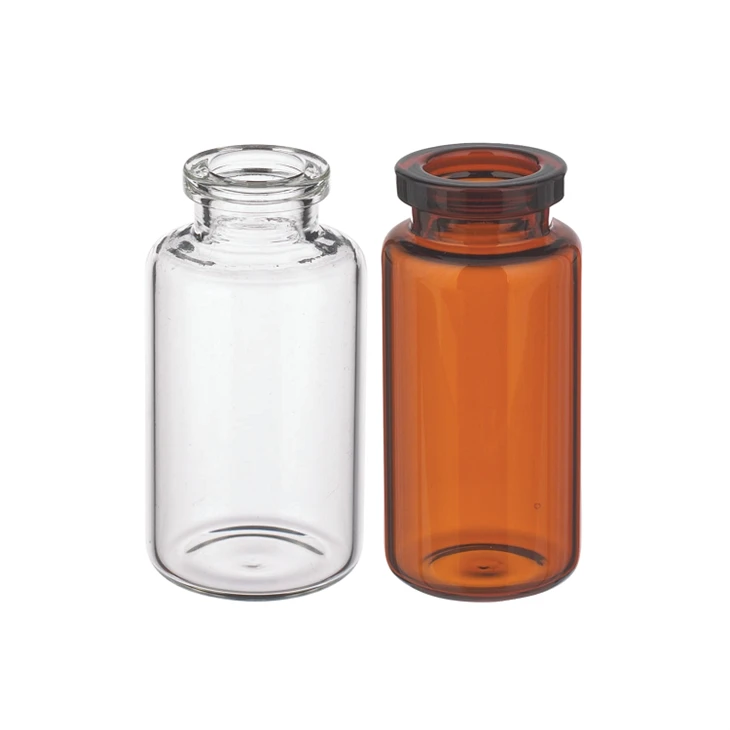
Another advantage of glass is its transparency. This allows laboratory personnel to easily observe the contents of the bottle, including the color, clarity, and any visible changes in the sample over time. Whether it's monitoring the growth of microorganisms in a culture or observing a chemical reaction, the ability to see inside the container without opening it is invaluable.
Size and Capacity Considerations
The 2ml capacity of these glass bottles is well - suited for a variety of laboratory applications. In research settings where samples are scarce or expensive, such as in the field of biotechnology or pharmacology, small - volume containers are essential. For instance, when working with rare DNA samples or precious pharmaceutical compounds, using a 2ml glass bottle ensures that the sample is stored in a container that is just the right size, minimizing waste and maximizing the use of the available material.
In addition, the small size of 2ml glass bottles makes them convenient for storage and handling. They can be easily arranged in racks or trays, saving valuable laboratory bench space. This is especially important in modern laboratories, where space is often at a premium. Moreover, their compact size makes them ideal for use in automated systems, where precise sample handling and high - throughput processing are required.
Closure and Sealing Options
Proper closure and sealing are crucial for maintaining the integrity of the sample inside the 2ml glass bottle. There are several types of closures available, each with its own advantages. Screw - top caps with rubber or silicone liners provide a tight seal that prevents leakage and evaporation. This is particularly important for volatile substances or samples that need to be stored for long periods.
Another popular option is the use of crimp - top caps. These caps are sealed onto the bottle using a crimping tool, creating an airtight and tamper - evident seal. Crimp - top closures are commonly used in applications where sample security and stability are of utmost importance, such as in the storage of reference standards or clinical samples.
Compatibility with Laboratory Equipment
2ml glass bottles are designed to be compatible with a wide range of laboratory equipment. They can be used with pipettes, syringes, and other liquid - handling devices for accurate sample transfer. Additionally, they are often used in conjunction with analytical instruments such as gas chromatographs, liquid chromatographs, and mass spectrometers. The standard dimensions of 2ml glass bottles ensure that they can be easily loaded into these instruments without any modifications, allowing for seamless integration into laboratory workflows.
Comparison with Other Container Types
When comparing 2ml glass bottles with other types of containers, such as plastic bottles or vials, glass has several distinct advantages. Plastic containers may leach chemicals into the sample over time, especially when exposed to certain solvents or high temperatures. This can contaminate the sample and affect the accuracy of the analysis. Glass, on the other hand, is a more stable and reliable material, providing a higher level of sample protection.
However, it's important to note that glass also has some limitations. It is more fragile than plastic, which means that it requires careful handling to prevent breakage. In addition, glass bottles are generally more expensive than their plastic counterparts. But considering the long - term benefits in terms of sample integrity and accuracy, the higher cost is often justified in laboratory applications.
Related Products for Laboratory Use
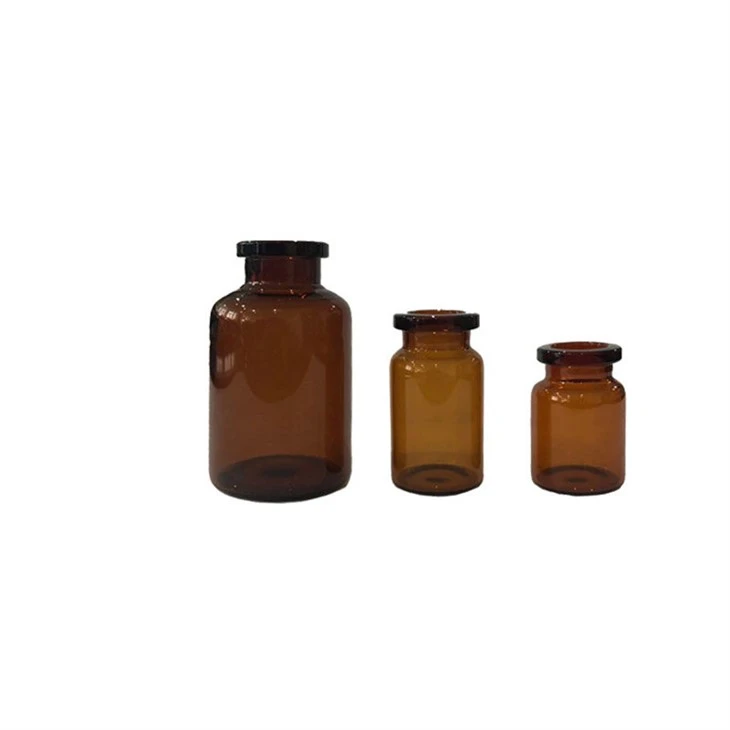
If you are interested in other glass bottle options for your laboratory, we also offer 60 Ml Glass Bottles, which are suitable for storing larger volumes of samples. Our Glass Injection Vials are designed for precise injection and are commonly used in chromatography applications. And for those who need a slightly larger capacity than the 2ml bottles, our 15ml Glass Bottle is a great choice.
Conclusion
In conclusion, 2ml glass bottles are highly suitable for laboratory use. Their excellent chemical resistance, transparency, appropriate size, and compatibility with laboratory equipment make them a versatile and reliable choice for a wide range of applications. While they may have some limitations, such as fragility and higher cost, the benefits they offer in terms of sample protection and accuracy far outweigh these drawbacks.
If you are in the market for high - quality 2ml glass bottles for your laboratory, we invite you to contact us to discuss your specific requirements. Our team of experts is ready to assist you in finding the best solutions for your laboratory needs.
References
- ASTM International. (Year). Standard specifications for glass containers for laboratory use. ASTM Publication.
- European Pharmacopoeia. (Year). General chapter on containers for pharmaceutical use. Council of Europe.
- Modern Laboratory Practices Handbook. (Year). Published by a leading scientific publishing house.