

As a supplier of 15ml glass bottles, I often encounter inquiries from customers regarding the ease of cleaning these petite containers. In this blog post, I'll delve into the factors that influence the cleaning process of 15ml glass bottles and provide insights based on my experience in the industry.
Understanding the Structure of 15ml Glass Bottles
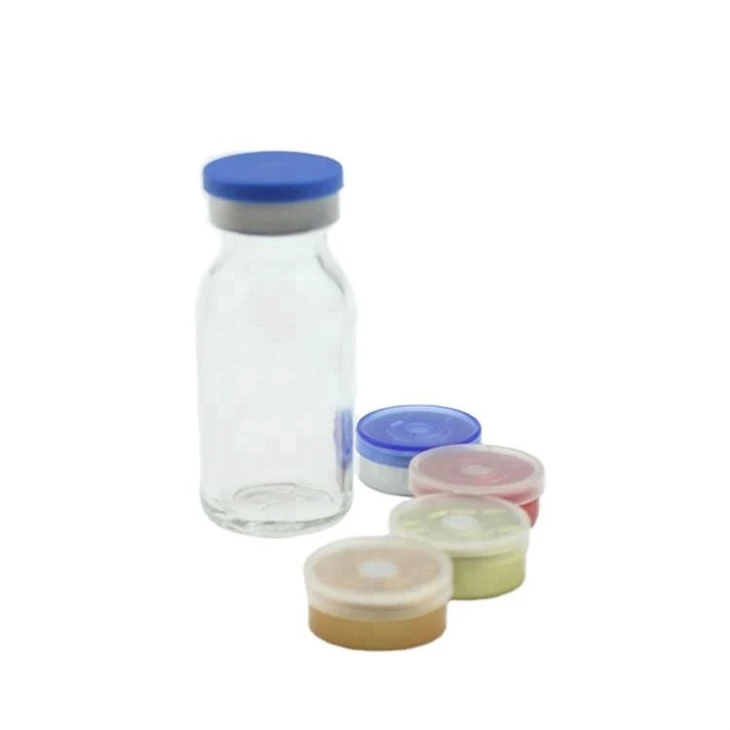
Before discussing the cleaning process, it's essential to understand the structure of 15ml glass bottles. These bottles typically have a narrow neck and a relatively small body, which can pose challenges when it comes to cleaning. The narrow neck restricts access to the interior of the bottle, making it difficult to reach all areas with a cleaning tool. Additionally, the small size of the bottle means that there is limited space for cleaning solutions to circulate, which can affect the effectiveness of the cleaning process.
Factors Affecting the Ease of Cleaning
Several factors can influence the ease of cleaning 15ml glass bottles. These include the type of product stored in the bottle, the frequency of use, and the cleaning method employed.

Type of Product Stored
The type of product stored in the 15ml glass bottle can have a significant impact on the cleaning process. For example, if the bottle is used to store a viscous liquid such as essential oils or syrups, it may be more challenging to clean compared to a bottle that stores a water-based solution. Viscous liquids tend to adhere to the inner walls of the bottle, making it difficult to remove them completely. In contrast, water-based solutions are easier to clean as they can be easily rinsed away with water.
Frequency of Use
The frequency of use also plays a role in the ease of cleaning. If the 15ml glass bottle is used frequently, it is more likely to accumulate residue and contaminants over time. This can make the cleaning process more challenging as the residue may be more stubborn and difficult to remove. On the other hand, if the bottle is used infrequently, it may require less frequent cleaning and may be easier to clean as there is less residue to remove.
Cleaning Method
The cleaning method employed is perhaps the most crucial factor in determining the ease of cleaning 15ml glass bottles. There are several cleaning methods available, each with its own advantages and disadvantages.
- Manual Cleaning: Manual cleaning involves using a brush or sponge to scrub the interior of the bottle. This method is suitable for small batches of bottles and can be effective in removing stubborn residue. However, it can be time-consuming and labor-intensive, especially for larger quantities of bottles.
- Ultrasonic Cleaning: Ultrasonic cleaning uses high-frequency sound waves to create microscopic bubbles in a cleaning solution. These bubbles implode upon contact with the surface of the bottle, removing dirt and contaminants. Ultrasonic cleaning is a fast and efficient method that can clean multiple bottles simultaneously. However, it requires specialized equipment and may not be suitable for all types of bottles.
- Automated Cleaning Systems: Automated cleaning systems are designed to clean large quantities of bottles quickly and efficiently. These systems typically use a combination of water, detergents, and mechanical agitation to clean the bottles. Automated cleaning systems are ideal for industrial applications where large volumes of bottles need to be cleaned on a regular basis.
Tips for Cleaning 15ml Glass Bottles
Based on my experience as a supplier of 15ml glass bottles, I've compiled a list of tips to make the cleaning process easier and more effective.
- Pre-Rinse the Bottle: Before cleaning the bottle, it's a good idea to pre-rinse it with warm water to remove any loose debris or residue. This will make the subsequent cleaning process more effective.
- Use a Suitable Cleaning Solution: Choose a cleaning solution that is appropriate for the type of product stored in the bottle. For example, if the bottle is used to store essential oils, you may want to use a mild detergent or a specialized essential oil cleaner. Avoid using harsh chemicals or abrasive cleaners as these can damage the glass.
- Use a Brush or Sponge: For manual cleaning, use a brush or sponge that is small enough to fit inside the bottle. Make sure to scrub all areas of the bottle, including the neck and bottom.
- Rinse Thoroughly: After cleaning the bottle, rinse it thoroughly with warm water to remove any remaining cleaning solution. Make sure to rinse the bottle at least three times to ensure that all traces of the cleaning solution are removed.
- Dry the Bottle: Once the bottle is clean, dry it thoroughly to prevent the growth of bacteria or mold. You can dry the bottle by air-drying it or using a clean towel.
Conclusion
In conclusion, the ease of cleaning 15ml glass bottles depends on several factors, including the type of product stored in the bottle, the frequency of use, and the cleaning method employed. While these bottles may pose some challenges due to their small size and narrow neck, with the right cleaning method and techniques, they can be effectively cleaned.
If you're in the market for high-quality 15ml glass bottles, look no further. We offer a wide range of Medical Vial, Small Glass Bottle, and 2ml Glass Bottle options to meet your specific needs. Our bottles are made from high-quality glass and are designed to be durable and easy to clean.
If you have any questions or would like to discuss your requirements further, please don't hesitate to contact us. We're here to help you find the perfect solution for your packaging needs.
References
- "Glass Packaging: A Sustainable Choice." Glass Packaging Institute.
- "Cleaning and Sterilizing Laboratory Glassware." American Chemical Society.