

Hey there! As a supplier of 1 ml vials, I often get asked a bunch of questions about these little guys. One of the most common ones is, "Are 1 ml vials resistant to UV light?" Well, let's dig into this topic and find out.
First off, let's understand why UV light resistance matters. UV light, which is part of the sunlight spectrum, can have some pretty damaging effects on certain substances. When it comes to what's stored inside 1 ml vials, it could be anything from medications to essential oils or even some high - end cosmetics. For medications, exposure to UV light can cause chemical reactions that might degrade the active ingredients, making the medicine less effective or even potentially harmful. In the case of essential oils, UV light can break down the volatile compounds, altering their scent and therapeutic properties.
Now, not all 1 ml vials are created equal when it comes to UV resistance. There are mainly two types of materials used for these vials: glass and plastic.
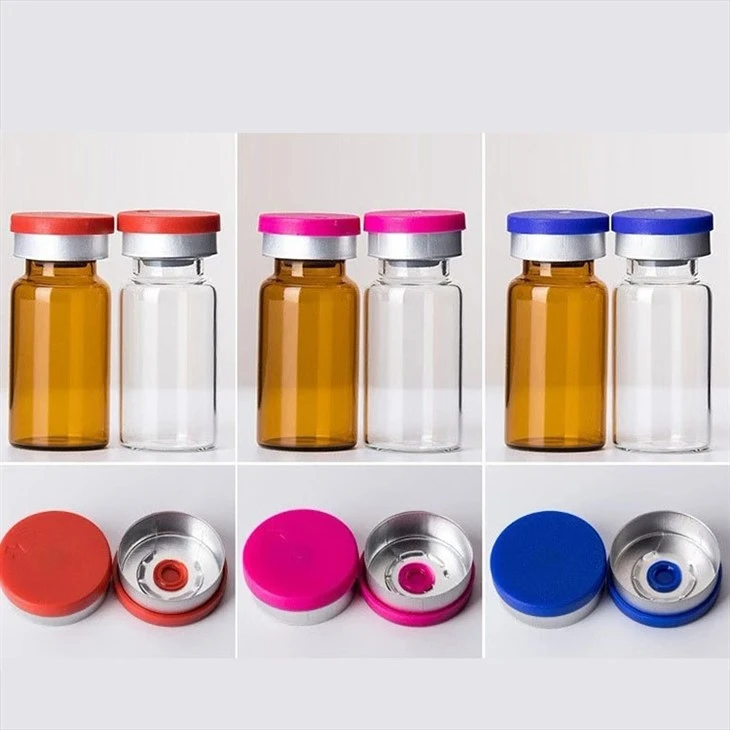
Let's start with glass vials. Glass is a popular choice for 1 ml vials, and there are different kinds of glass. Regular clear glass, like the kind you might see in a standard Penicillin Bottle, doesn't offer much in terms of UV protection. It allows a significant amount of UV light to pass through, which means whatever's inside the vial is at risk of UV damage.
But then there's amber glass. Amber glass is specially formulated to block out a large portion of UV light. The color of the amber glass acts as a natural filter. It absorbs the harmful UV rays, protecting the contents of the vial. So, if you're storing something that's sensitive to UV light, like a photosensitive medication or a precious essential oil blend, an amber 1ml Glass Bottle is a great choice. The amber glass can significantly extend the shelf - life of the product inside by preventing UV - induced degradation.
Another option is borosilicate glass. Borosilicate glass is known for its high chemical resistance and thermal stability. While it's not inherently UV - resistant like amber glass, some borosilicate glass vials can be treated or coated to enhance their UV - blocking capabilities. These treated borosilicate vials can be a good middle - ground option. They offer the benefits of borosilicate glass, such as resistance to breakage and chemical reactions, along with some level of UV protection.
Now, let's talk about plastic vials. Plastic is a more lightweight and often more cost - effective option compared to glass. However, most standard plastics are not very good at blocking UV light. They are quite transparent to UV rays, which means the contents of the vial are vulnerable to UV damage. But there are some specialized plastics that can be formulated with UV - blocking additives. These additives work by absorbing or reflecting the UV light, preventing it from reaching the inside of the vial. However, these specialized plastic vials can be more expensive than the standard ones.
When it comes to Medical Bottles with Rubber Stopper, the rubber stopper also plays a role in protecting the contents from UV light. A good quality rubber stopper can create a tight seal, reducing the amount of UV light that can enter through the opening of the vial. But it's important to note that the stopper alone can't fully protect the contents if the vial itself isn't UV - resistant.
So, how do you know if a 1 ml vial is UV - resistant? Well, if it's an amber glass vial, you can be pretty sure it offers a good level of UV protection. For other types of vials, you can ask the manufacturer. Reputable manufacturers should be able to provide information about the UV - blocking properties of their vials. They might even have test results or certificates to prove the effectiveness of the UV protection.
In some industries, like the pharmaceutical and cosmetic industries, regulations often require the use of UV - resistant packaging for certain products. For example, if a medication is known to be photosensitive, the pharmaceutical company has to use a vial that can protect it from UV light. This is to ensure the safety and efficacy of the product throughout its shelf - life.

As a supplier of 1 ml vials, I understand the importance of providing the right vials for different needs. Whether you're a small - scale essential oil producer or a large pharmaceutical company, choosing the right UV - resistant vial can make a big difference in the quality and longevity of your product.
If you're in the market for 1 ml vials and have questions about UV resistance or any other aspect of the vials, don't hesitate to reach out. We can have a chat about your specific requirements and find the best vial solution for you. Whether it's amber glass, treated borosilicate glass, or specialized plastic vials, we've got options to meet your needs.
So, if you're looking to source high - quality 1 ml vials that offer the right level of UV protection, get in touch. We're here to help you make the best choice for your products.
References
- Textbooks on packaging materials and their properties
- Industry reports on UV protection in pharmaceutical and cosmetic packaging